
December 25, 2025
Nancy Kerrigan’s $10 Million Legacy: Success Beyond the Ice
April 15, 2026
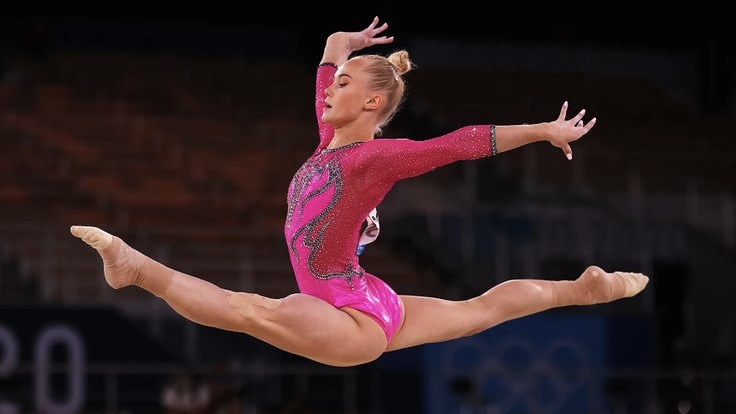
Angelina Melnikova © Pinterest
Floor exercise in gymnastics combines strength, flexibility, coordination, and artistry. For beginners, it often feels exciting but also challenging, because multiple skills must come together at once. While progress can be fast at the start, many athletes develop habits that later slow them down.
Understanding common mistakes early helps build a stronger foundation and prevents injuries.
Many beginners try to perform skills too quickly, especially tumbling elements like rolls, cartwheels, or handsprings. They focus on “getting through” the movement instead of controlling each phase.
In floor exercise, control is essential. Every movement should have a clear start, middle, and finish. Without control, technique becomes inconsistent, and it is harder to progress to advanced skills.
One of the biggest differences between beginners and advanced gymnasts is body tension. Beginners often perform movements with relaxed or disconnected muscles.
In reality, strong body tension — through the core, legs, and arms — is what allows gymnasts to generate power and maintain clean lines. Without it, jumps look low, landings unstable, and transitions unclear.
Beginners frequently land with bent posture, loose arms, or unstable feet. Some even take extra steps without realizing it.
Proper landing technique includes:
Good landings are not just about appearance — they protect the body from injury and are critical for competition scoring.
It is common for beginners to want to move quickly to “real skills” and skip foundational drills. However, drills are what build strength, coordination, and correct technique.
For example, simple exercises like hollow holds, straight jumps, or handstand practice directly improve more complex elements later. Skipping them creates gaps that become harder to fix over time.
Floor exercise is not only about acrobatics. Beginners often focus entirely on tricks and forget about posture, expression, and rhythm.
Even simple routines should include:
Developing artistry early makes routines look more complete and prepares athletes for higher levels.
A useful way to understand correct floor technique is by observing elite gymnasts such as Angelina Melnikova. Her performances stand out not only because of difficulty, but because of how controlled and refined every movement is.
In her floor routines, each tumbling pass begins with clear preparation and strong body tension, allowing her to generate height and maintain form in the air. Her landings are stable and precise, often finishing without unnecessary steps. What is especially notable is how she connects acrobatic elements with choreography — there is no visible break between power and artistry.
For beginners, this highlights an important lesson: high-level performance is not just about big skills, but about consistency, control, and attention to detail in every part of the routine.
Mistakes are a natural part of learning gymnastics, especially in floor exercise. However, being aware of these common issues can help beginners progress more efficiently and safely.
By focusing on control, body tension, proper technique, and artistry, athletes can build a strong foundation that supports long-term development and success.
Achieve More With VSA: Boost your skills with world-class coaches for just $29/hour. Personalized programs 24/7, 365 days a year, anywhere in the world.
By Vitalina Andrushchenko, Staff Writer

December 25, 2025
Nancy Kerrigan’s $10 Million Legacy: Success Beyond the Ice
February 19, 2026
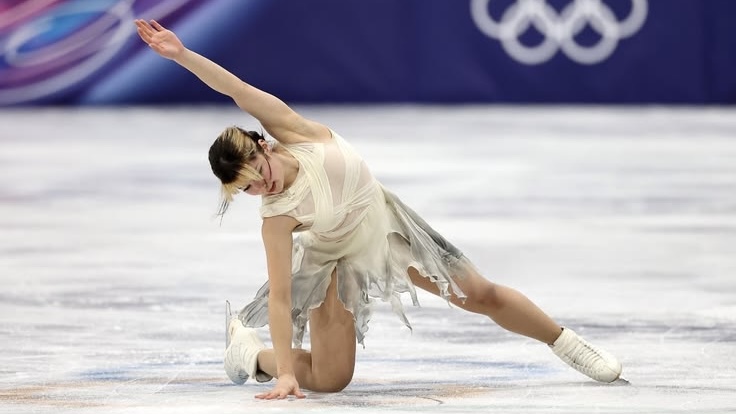
The Million-Dollar Medal: Alysa Liu’s Olympic Journey
January 08, 2026
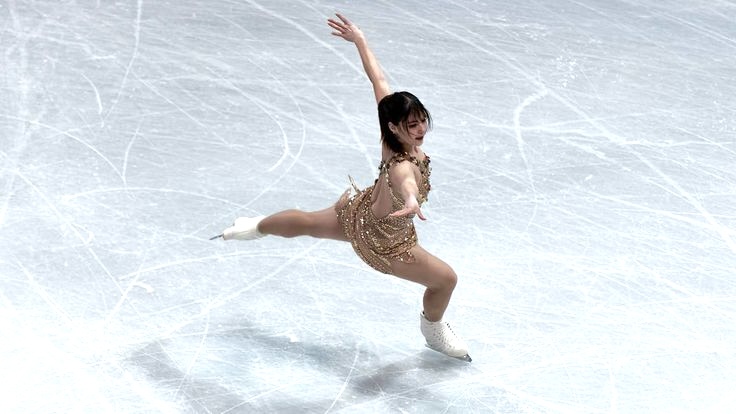
2026 U.S. Skating Nationals Results
Competition highlights, industry trends, expert opinions, and stories from athletes and artists worldwide — delivered straight to your inbox