 English
 中文 (中国)
 Español
July 29, 2026
5 Skills Named After Olympic Gymnasts
March 19, 2025
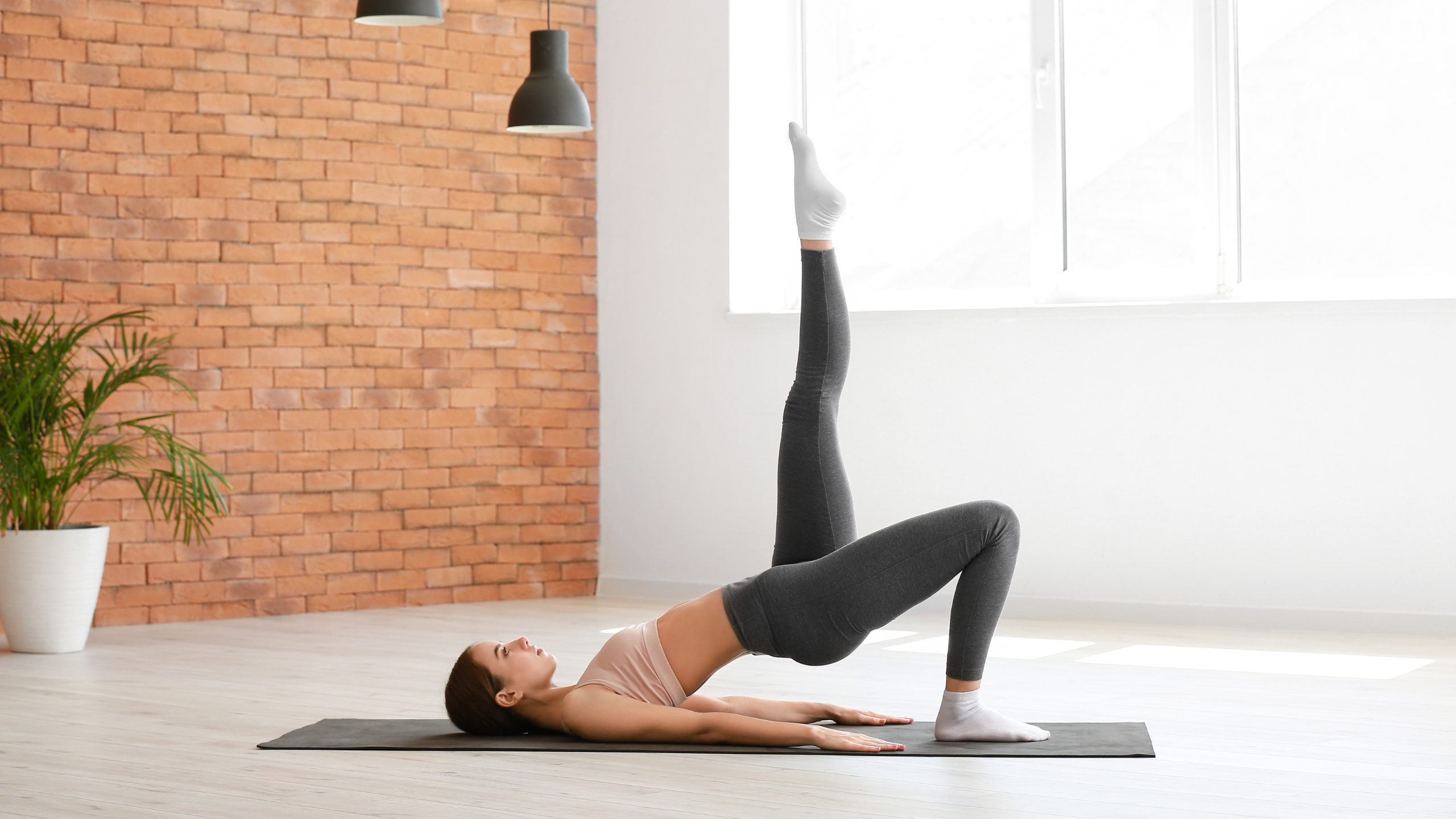
Flexibility is a fitness buzzword, but it’s tangled in myths that confuse even the savviest stretchers. In 2025, science and trends are cutting through the noise—revealing what actually bends the needle on range of motion. Let’s debunk five big flexibility myths and uncover what really works.
Born stiff? Not the full story. While genetics influence baseline flexibility—think collagen density and joint structure—a 2021 Journal of Applied Physiology study shows training trumps DNA. Adults who stretched consistently for 12 weeks gained 20% more range, regardless of starting point. In 2025, it’s clear: flexibility isn’t fixed—it’s forged.
Pre-workout static stretching feels intuitive, but science disagrees. A 2020 British Journal of Sports Medicine meta-analysis found no link between pre-exercise static stretches and lower injury rates—in fact, it can temporarily weaken muscles by 5-8%. Dynamic stretching (think leg swings) wins here, boosting blood flow and prepping joints without sapping strength, per a 2023 Sports Medicine study.
Holding a stretch for minutes sounds hardcore, but more isn’t merrier. A 2017 Journal of Strength and Conditioning Research study pegged 20-30 seconds as the sweet spot for static stretches—enough to lengthen muscles without triggering the stretch reflex (a protective tightening). In 2025, some Al coaches even timer your holds, proving short and smart beats long and grueling.
Daily stretching seems like the gold standard, but it’s overrated. A 2022 Physical Therapy study found that stretching 3-4 times a week delivers 90% of the flexibility gains of daily routines, thanks to muscle recovery time. Rest days let tissues adapt—push too hard, and you risk micro-tears. This year, pros swear by quality over quantity.
It’s not all hamstrings and hips—flexibility’s mental, too. A 2023 Psychology of Sport and Exercise study linked regular stretching to a 15% drop in stress hormones like cortisol, as mindful moves calm the nervous system. In 2025, VR stretch classes pair guided breathing with visuals, proving the mind bends as much as the body.
Forget the old flexibility playbook—2025 is about smart science, not stubborn myths. You’re not doomed by genetics, pre-game stretches won’t save you, and longer isn’t better. With dynamic moves, timed holds, and a dash of tech, flexibility’s within reach for anyone willing to stretch the truth.
By Vitalina Andrushchenko, Staff Writer
July 29, 2026
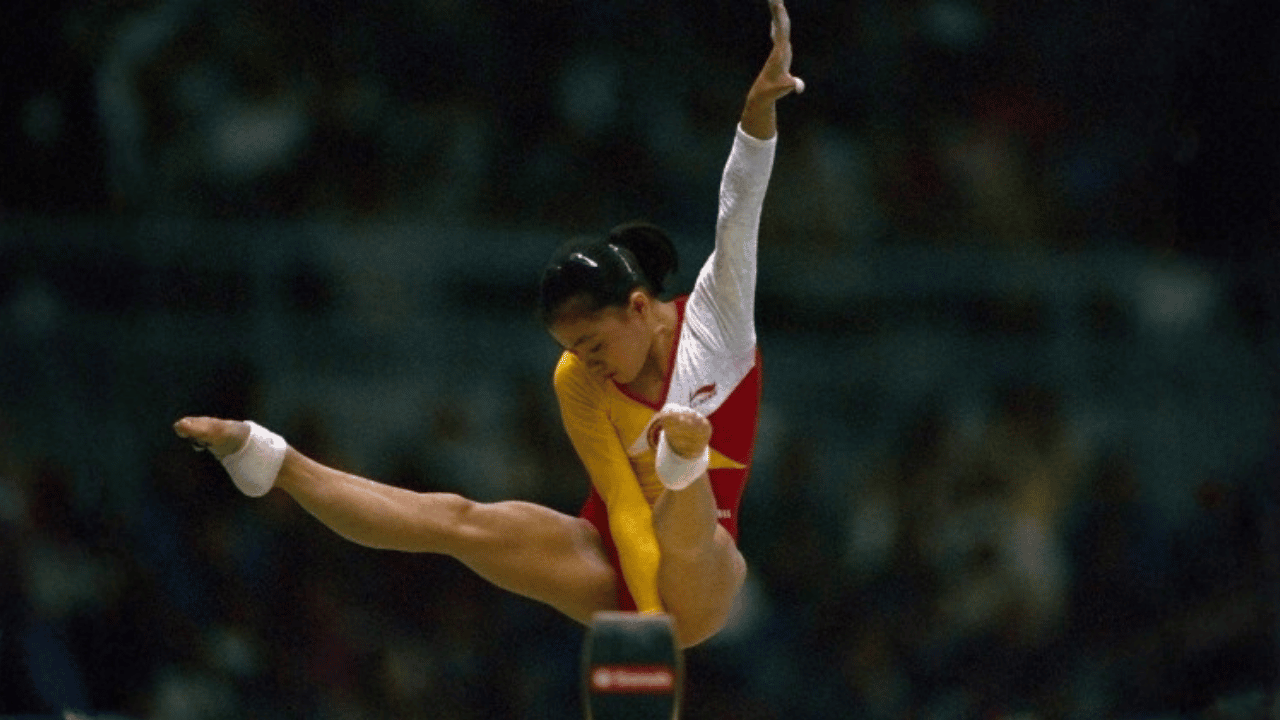
5 Skills Named After Olympic Gymnasts
May 24, 2026
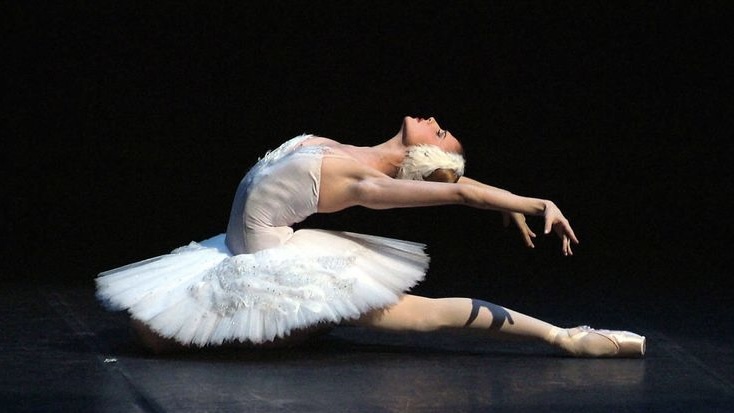
How to Improve Toe Point in Ballet
April 28, 2026
5 Ways to Hold Spin Positions Longer
Competition highlights, industry trends, expert opinions, and stories from athletes and artists worldwide — delivered straight to your inbox