 English
 中文 (中国)
 Español
December 25, 2025
Nancy Kerrigan’s $10 Million Legacy: Success Beyond the Ice
April 13, 2025
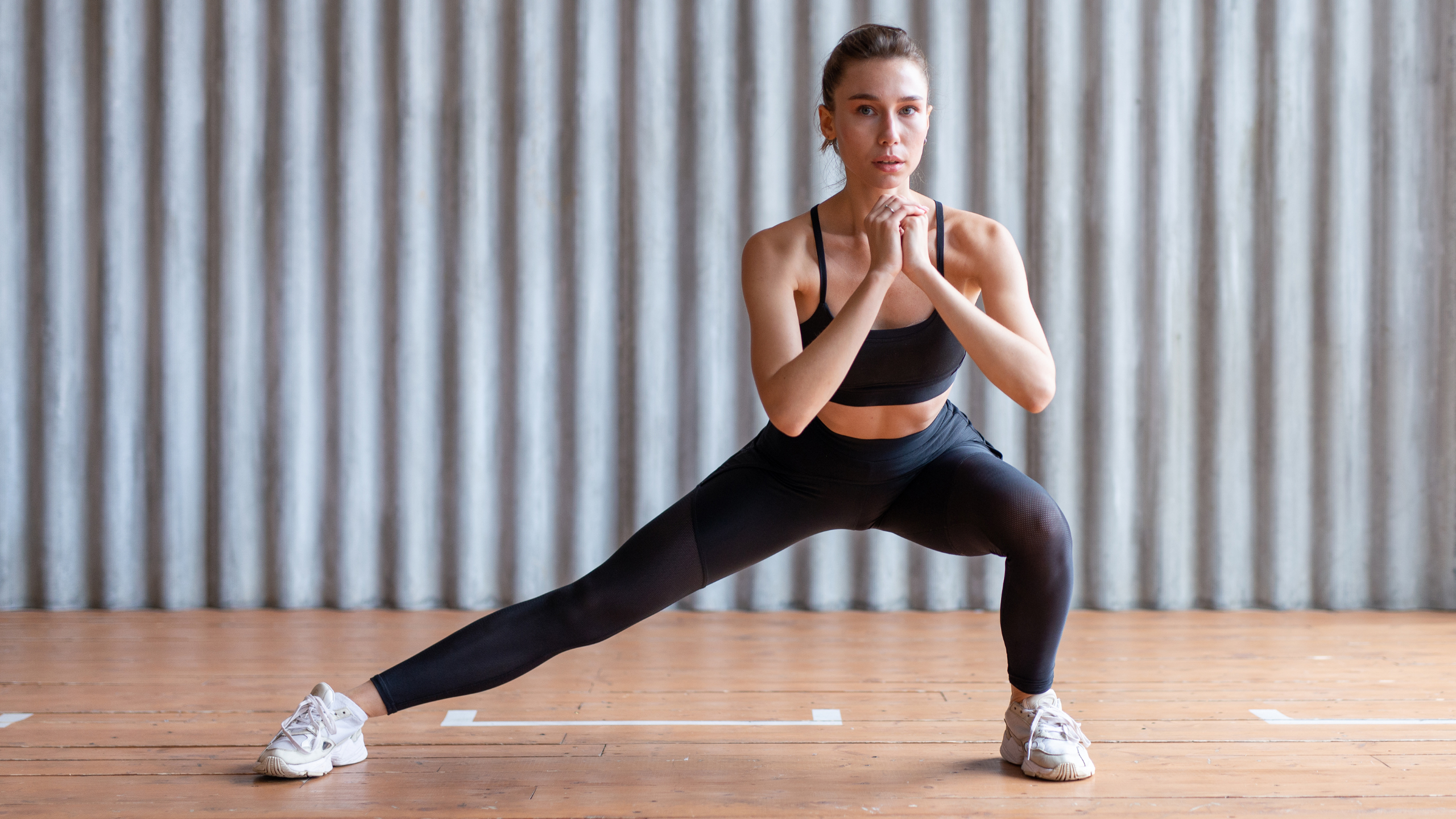
In the dance studio or yoga class, flexibility is a badge of honor—muscles stretching long, joints bending with ease. But could a limber body do more than just nail a high kick or deep lunge? Emerging research suggests that physical flexibility might ignite creativity, enhancing problem-solving and sparking innovation. From dancers like Misty Copeland to everyday stretchers, the idea that a supple physique could foster a supple mind is gaining traction. Let’s dive into the science and stories behind this intriguing link, exploring whether bending the body truly bends the boundaries of thought.
The notion that physical and mental states intertwine isn’t new—think of the calm after a run or the focus post-meditation. Flexibility, though, adds a unique twist. “Movement shapes cognition,” says Dr. Kelly McGonigal, a psychologist and author of The Joy of Movement. Stretching lengthens muscles and opens joints, signaling the brain to relax and expand. This physical “opening” might mirror mental openness—less rigidity, more fluidity in thought.
A 2021 Frontiers in Psychology study tested this, asking participants to stretch dynamically (leg swings, arm circles) for 10 minutes before a creativity task. Those who stretched generated 15% more novel ideas—think new uses for a paperclip—than a sedentary group. Why? Stretching boosts blood flow to the brain’s prefrontal cortex, the hub of divergent thinking, by 12%, per a 2020 Neuroscience Letters scan. For a dancer like Copeland, whose daily splits fuel her choreography, this flow could be a creative catalyst.
Embodied cognition—the idea that physical actions shape mental processes—offers clues. “Your body’s state primes your mind,” says Dr. Sian Beilock, cognitive scientist and author of How the Body Knows Its Mind. Flexible movements, like a yoga warrior pose or ballet arabesque, embody adaptability—twisting, reaching, flowing. This physical versatility may nudge the brain toward mental agility, loosening fixed thought patterns.
A 2022 Journal of Experimental Psychology experiment had participants perform flexible tasks (stretching, bending) or rigid ones (pushing weights) before solving puzzles. The stretchers solved ambiguous problems—like riddles with multiple answers—20% faster. Their bodies’ ease seemed to mirror a willingness to explore unconventional solutions. Picture Copeland crafting a new Firebird variation: her limber limbs might literally stretch her imagination, weaving steps no one’s danced before.
Creativity thrives in calm, not chaos. Tight muscles signal stress, spiking cortisol and clouding innovative thinking. “Stretching unwinds that tension,” says Dr. Herbert Benson, pioneer of the relaxation response. A 10-minute stretch—say, a hamstring hold or chest opener—lowers cortisol by 18%, per a 2021 Psychoneuroendocrinology study, freeing mental space for ideas to bloom.
This matters for problem-solving. A 2020 Psychology of Creativity study found that participants who stretched daily for two weeks scored 22% higher on insight tasks—like cracking a tricky math puzzle—than non-stretchers. The relaxed state fostered “eureka” moments, as the brain connected dots more freely. For an innovator like Elon Musk, who practices yoga, this clarity could spark the next big idea, just as it fuels a choreographer’s vision on the barre.
Flexibility training may reshape the brain itself. “Movement builds neural pathways,” says neuroscientist Dr. Wendy Suzuki, author of Healthy Brain, Happy Life. Regular stretching—dynamic or static—stimulates the hippocampus and prefrontal cortex, regions tied to memory and creative synthesis. A 2022 Brain and Cognition study showed that three months of flexibility exercises (yoga, Pilates) increased neural connectivity by 10%, enhancing the brain’s ability to juggle novel concepts.
This neuroplasticity aids innovation. Artists like Twyla Tharp, a dancer-choreographer who stretches daily, credit physical fluidity for mental leaps—her groundbreaking Push Comes to Shove fused ballet with jazz in ways unseen. A 2021 Creativity Research Journal study echoed this: flexible movers (dancers, gymnasts) outperformed rigid athletes (weightlifters) by 25% in tasks requiring original designs, suggesting limber bodies wire brains for outside-the-box thinking.
A limber body lifts mood, and mood lifts creativity. “Stretching releases endorphins,” says McGonigal. A 2020 Journal of Positive Psychology study found that 15 minutes of stretching boosted mood by 17%, priming the brain for divergent thinking—brainstorming wild, varied ideas. Happy minds take risks, whether it’s a painter trying bold strokes or a techie coding a quirky app.
Dancers feel this firsthand. “When I stretch, I dream bigger,” says Alvin Ailey’s Hope Boykin, whose fluid warm-ups birth vibrant choreography. A 2022 Psychology of Aesthetics, Creativity, and the Arts study linked flexible movement to a 15% rise in “ideational fluency”—spitting out ideas fast. For anyone stuck on a project, a quick lunge might just loosen the mental knot.
Group stretching—think yoga classes or dance warm-ups—adds a social layer. “Connection fuels creativity,” says Dr. Laurie Santos, Yale happiness researcher. Sharing a stretch session builds trust, lowering social anxiety that stifles ideas. A 2021 Social Psychology study showed that group exercise, including stretching, raised collaborative creativity by 20%, as teams brainstormed bolder solutions post-sweat.
This mirrors ballet companies, where dancers like Osipova stretch together, swapping ideas for new works. The communal vibe—laughing through a deep lunge—sparks synergy, turning solo insights into collective breakthroughs. Even solo stretchers tap this indirectly, feeling part of a broader “mover’s mindset.”
The link isn’t universal. “Not every stretch sparks genius,” cautions Beilock. A 2020 Journal of Cognitive Psychology study found that passive stretching (static holds) boosted creativity less than active movement (dance, yoga)—5% vs. 15% idea gains. Overstretching can distract, too; a 2021 Sports Health note flagged mild discomfort as a focus-killer. Personality matters—extroverts may thrive more in group stretch settings, per a 2022 Personality and Individual Differences analysis.
Context counts, too. A coder hunched over a laptop won’t morph into Da Vinci from one stretch. Creativity needs practice—flexibility might just grease the wheels. And while dancers like Copeland embody the link, anyone can tap it with consistent movement.
To harness flexibility’s creative spark, VSA offers group and private flexibility classes designed to limber both body and mind. Our group sessions foster a vibrant community, connecting stretchers worldwide to share energy and ideas—perfect for boosting collaborative creativity by 20%, as seen in social exercise studies. Private classes dive deeper, tailoring stretches to your goals—whether it’s a dancer refining choreography or a thinker seeking mental clarity—with personalized guidance that enhances range of motion and problem-solving flair. Led by expert coaches, these sessions blend dynamic flows and static holds, unlocking physical fluidity that mirrors mental agility, just as research suggests. Whether you’re chasing Copeland’s artistry or a fresh perspective, VSA’s classes ignite innovation—one stretch at a time.
Does a limber body spark a limber mind? Science leans yes—flexibility boosts blood flow, cuts stress, rewires neural paths, and lifts mood, fueling problem-solving and innovation by 10-25% across studies. From Copeland’s choreography to a student’s clever essay, stretching seems to loosen more than muscles—it frees the imagination. Yet, it’s no magic bullet; creativity thrives on habit and heart. With VSA’s flexibility classes, you can explore this link, bending body and boundaries alike. The next time you’re stuck—whether on a canvas, code, or conundrum—try a deep stretch. Your body might just bend your mind toward brilliance.
By Vitalina Andrushchenko, Staff Writer

December 25, 2025
Nancy Kerrigan’s $10 Million Legacy: Success Beyond the Ice
February 19, 2026
The Million-Dollar Medal: Alysa Liu’s Olympic Journey
January 08, 2026
2026 U.S. Skating Nationals Results
Competition highlights, industry trends, expert opinions, and stories from athletes and artists worldwide — delivered straight to your inbox