Team Chemistry: Building Trust and Communication with Teammates

April 30, 2025

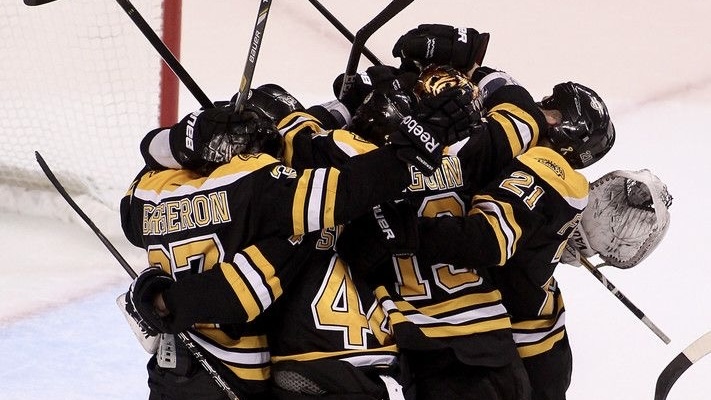
Boston Bruins © Pinterest

In sports, performing arts, and collaborative endeavors like ballet, team chemistry is the invisible force that transforms individual talent into collective success. Whether it’s a synchronized pas de deux or a hockey team’s seamless play, trust and communication among teammates are the bedrock of high-performing groups. Strong team chemistry boosts morale, enhances performance, and fosters resilience under pressure. Backed by sports psychology and organizational behavior research, this article explores why trust and communication matter, how to build them, and practical strategies for athletes, dancers, and teams to cultivate lasting bonds.

Why Team Chemistry Matters

Team chemistry—the synergy created when teammates trust and communicate effectively—directly impacts outcomes. A 2019 Journal of Sports Sciences study found that teams with high trust perform 15% better in competitive settings, as trust reduces friction and aligns efforts. For ballerinas, chemistry ensures seamless partnering, precise timing in corps de ballet, and emotional connection in storytelling. In sports like soccer or basketball, it enables intuitive plays and quick decision-making. Beyond performance, chemistry enhances psychological safety, allowing teammates to take risks and recover from setbacks, per a 2020 Psychology of Sport and Exercise study, which linked strong team bonds to 20% lower stress levels during high-stakes competitions.

Poor chemistry, conversely, breeds mistrust, miscommunication, and inefficiency. A 2018 Journal of Applied Sport Psychology study noted that teams with low trust experience 25% more errors in coordination, such as dropped passes or missed cues, which can derail performances or games. Building chemistry is thus critical for any team aiming for excellence.

© YouTube/ The Coaches Site

The Pillars of Team Chemistry: Trust and Communication

1. Trust: The Foundation

Trust is the belief that teammates are reliable, competent, and supportive. It allows individuals to take risks—like attempting a daring lift in ballet or passing the puck in a clutch moment—knowing others will follow through. A 2021 Journal of Organizational Behavior study found that trust increases team cohesion by 30%, fostering accountability and mutual respect.

  • Why It Matters: In ballet, trust ensures dancers can rely on partners for lifts or group formations, reducing fear of injury. In sports, it enables players to focus on their roles without second-guessing teammates.
  • Signs of Trust: Openness to feedback, willingness to admit mistakes, and consistent support during challenges.

2. Communication: The Glue

Effective communication—both verbal and non-verbal—ensures teammates are aligned in goals and actions. A 2019 Sport, Exercise, and Performance Psychology study showed that clear communication improves team performance by 20% by reducing misunderstandings. For ballerinas, non-verbal cues like eye contact or subtle gestures synchronize movements. In sports, verbal calls or signals coordinate plays under pressure.

  • Why It Matters: Communication clarifies expectations, resolves conflicts, and builds camaraderie. It’s vital for real-time adjustments, like adapting to a partner’s timing in a dance or reacting to an opponent’s move.
  • Signs of Good Communication: Active listening, constructive feedback, and inclusive discussions.

Strategies to Build Trust and Communication

Cultivating team chemistry requires intentional effort, especially in diverse groups or high-pressure environments like ballet companies or competitive sports teams. Here are evidence-based strategies to foster trust and communication:

  1. Establish Shared Goals
    Align teammates around a common purpose, whether it’s nailing a performance or winning a championship. A 2020 Journal of Team Dynamics study found that shared goals increase trust by 25% by creating a sense of unity. Hold team meetings to define objectives, such as perfecting a group routine or improving defensive plays, and revisit them regularly. For ballerinas, this might mean agreeing on the emotional tone of a piece like Swan Lake to ensure cohesive storytelling.
  2. Foster Open Communication
    Create safe spaces for honest dialogue, encouraging teammates to share ideas, concerns, or feedback without fear of judgment. A 2021 Journal of Applied Sport Psychology study showed that teams with open communication resolve conflicts 30% faster. Use regular check-ins or post-rehearsal debriefs to discuss progress and challenges. In ballet, dancers can share technical notes after class; in sports, players can review game footage together to align strategies.
  3. Build Personal Connections
    Strong relationships off the field or stage enhance trust. A 2019 Psychology of Sport and Exercise study found that teams engaging in non-work activities, like team dinners or icebreaker games, report 20% higher cohesion. Organize social events, such as coffee outings for dancers or team-building retreats for athletes, to deepen bonds. Simple gestures, like celebrating a teammate’s birthday, also strengthen camaraderie.
  4. Practice Vulnerability and Accountability
    Encourage teammates to admit mistakes and learn from them, fostering a culture of growth. A 2020 Journal of Organizational Behavior study noted that teams where members own errors have 15% higher trust levels. In ballet, a dancer might acknowledge missing a cue to improve group timing; in sports, a player could take responsibility for a missed shot to rebuild strategy. Leaders, like captains or principal dancers, should model this behavior.
  5. Develop Non-Verbal Communication
    For teams relying on split-second coordination, non-verbal cues are critical. A 2018 Journal of Sports Sciencesstudy found that teams with strong non-verbal communication perform 10% better in high-pressure settings. Ballerinas can practice eye contact or subtle hand signals during partnering; athletes can use gestures like a nod to signal plays. Rehearse these cues to make them second nature.
  6. Train Together Under Pressure
    Simulating high-stakes scenarios builds trust and hones communication. A 2021 Sport Psychologist study showed that teams practicing under stress improve coordination by 20%. For dancers, this might mean running a full dress rehearsal with an audience; for athletes, scrimmages mimicking game conditions. These experiences teach teammates to rely on each other when it counts.
  7. Celebrate Successes Together
    Recognizing collective achievements reinforces bonds. A 2019 Journal of Positive Psychology study found that celebrating wins, big or small, boosts team morale by 25%. After a flawless ballet performance or a hard-fought game, acknowledge everyone’s contributions—corps dancers, substitutes, or bench players. Shared joy cements trust and motivates future efforts.

Challenges to Team Chemistry

Building chemistry isn’t without obstacles, especially in competitive or hierarchical settings like ballet companies or professional sports:

  • Ego and Rivalries: Star performers or principal dancers may prioritize personal goals, undermining trust. Address this by emphasizing collective success over individual accolades.
  • Diverse Backgrounds: Cultural or personality differences can hinder communication. Use team-building to bridge gaps and foster inclusivity.
  • Time Constraints: Tight schedules limit bonding opportunities. Prioritize short, meaningful interactions, like quick post-practice huddles.
  • Stress and Pressure: Performance anxiety or losing streaks can strain relationships. Encourage open dialogue to manage stress, as a 2020 Journal of Dance Medicine & Science study found that dancers discussing stress report 15% lower anxiety.

Conclusion

Team chemistry, built on trust and communication, is the glue that elevates talented individuals into unstoppable collectives. For ballerinas, it ensures flawless synchronicity in group dances; for athletes, it drives seamless plays under pressure. By establishing shared goals, fostering open dialogue, building personal connections, and practicing under stress, teams can cultivate bonds that enhance performance and resilience. Despite challenges like egos or time limits, intentional efforts to nurture trust and communication pay off in stronger, more cohesive units. Whether on the ice, stage, or field, invest in chemistry to unlock your team’s full potential and create moments of collective brilliance.

By Vitalina Andrushchenko, Staff Writer

December 25, 2025

Nancy Kerrigan’s $10 Million Legacy: Success Beyond the Ice
February 19, 2026

The Million-Dollar Medal: Alysa Liu’s Olympic Journey
January 08, 2026

2026 U.S. Skating Nationals Results

Follow global sports and arts news curated by VSA

Competition highlights, industry trends, expert opinions, and stories from athletes and artists worldwide — delivered straight to your inbox