 English
 中文 (中国)
 Español
February 19, 2026
The Million-Dollar Medal: Alysa Liu’s Olympic Journey
May 25, 2025
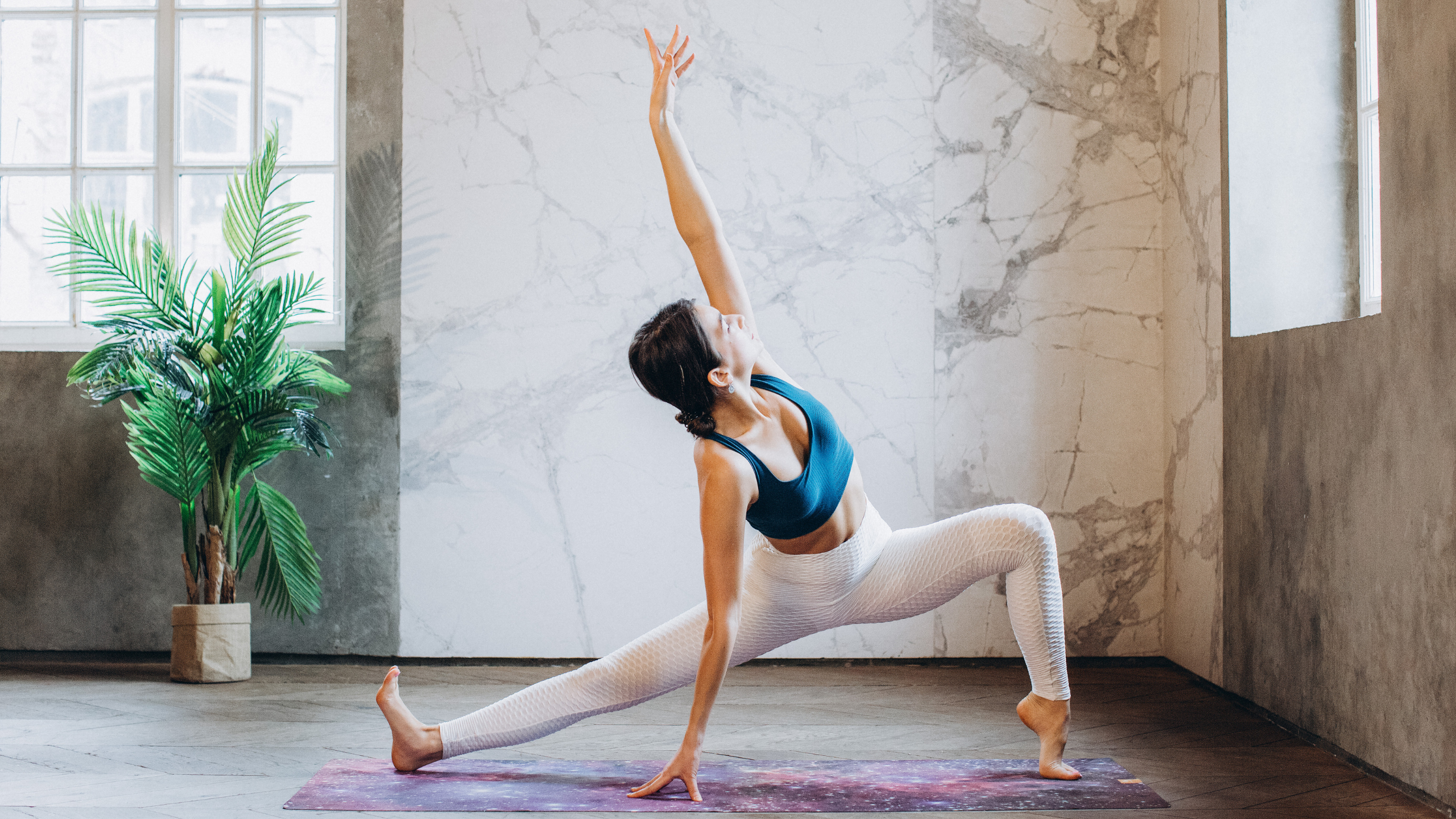
Stress is a pervasive challenge in modern life, affecting mental clarity and physical health. Stretching, a gentle and accessible practice, is a powerful way to alleviate stress, fostering relaxation and well-being. Whether you’re an athlete like a ballet dancer or ice hockey player, or someone managing daily pressures, stretching can soothe both mind and body. A 2019 Psychology of Sport and Exercise study found that stretching reduces perceived stress by 12% and lowers cortisol levels by 10%. This article explores the science behind why stretching reduces stress, detailing its physiological and psychological benefits, to help readers understand its value in combating stress.
Stress triggers the release of cortisol, a hormone that, when chronically elevated, fuels anxiety and exhaustion. Stretching activates the parasympathetic nervous system, which calms the body’s stress response. A 2020 Journal of Behavioral Medicine study showed that regular stretching reduces cortisol levels by 10%, promoting a relaxed state. This helps individuals, from performers under stage pressure to office workers facing deadlines, find calm amidst tension.
Stress often manifests as physical tightness, particularly in areas like the neck, shoulders, and lower back. Stretching lengthens muscles, releasing stored tension that exacerbates stress. A 2018 Journal of Physical Therapy Science study found that stretching decreases muscle stiffness by 12%, easing discomfort and promoting relaxation. This benefit supports athletes recovering from intense sessions or anyone dealing with the strain of prolonged sitting.
Stretching enhances blood circulation, delivering oxygen and nutrients to muscles and the brain. This counters the sluggishness and mental fog often tied to stress. A 2019 Journal of Rehabilitation Medicine study reported that stretching increases cerebral blood flow by 8%, uplifting mood and clarity. This is valuable for high-pressure scenarios, such as a dancer’s performance or a professional’s demanding workday.
Stretching fosters mindful awareness, directing attention to bodily sensations and breathing, which disrupts stress-inducing thoughts. A 2019 Psychology of Sport and Exercise study found that stretching reduces anxiety by 10% and enhances mental focus by 8%. This mindfulness helps athletes prepare for competition and non-athletes unwind from daily stressors, offering a moment of mental respite.
Stretching is a scientifically supported practice for reducing stress, lowering cortisol, relieving muscle tension, boosting circulation, and fostering mindfulness. With studies demonstrating 10–12% reductions in stress and anxiety, stretching offers a simple, effective way to find calm, whether you’re an athlete facing competition or managing everyday pressures. By integrating stretching regularly, monitoring its effects, and creating a mindful practice, you can harness its benefits to ease stress and enhance well-being. Embrace stretching as a daily ritual to navigate life with greater calm, clarity, and resilience.
By Vitalina Andrushchenko, Staff Writer
February 19, 2026
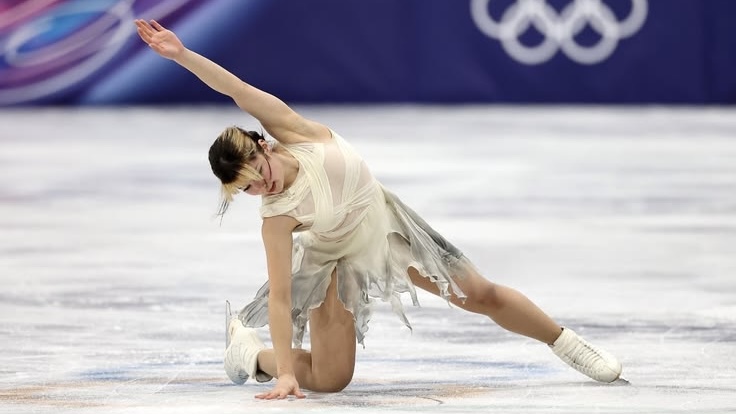
The Million-Dollar Medal: Alysa Liu’s Olympic Journey
February 21, 2026
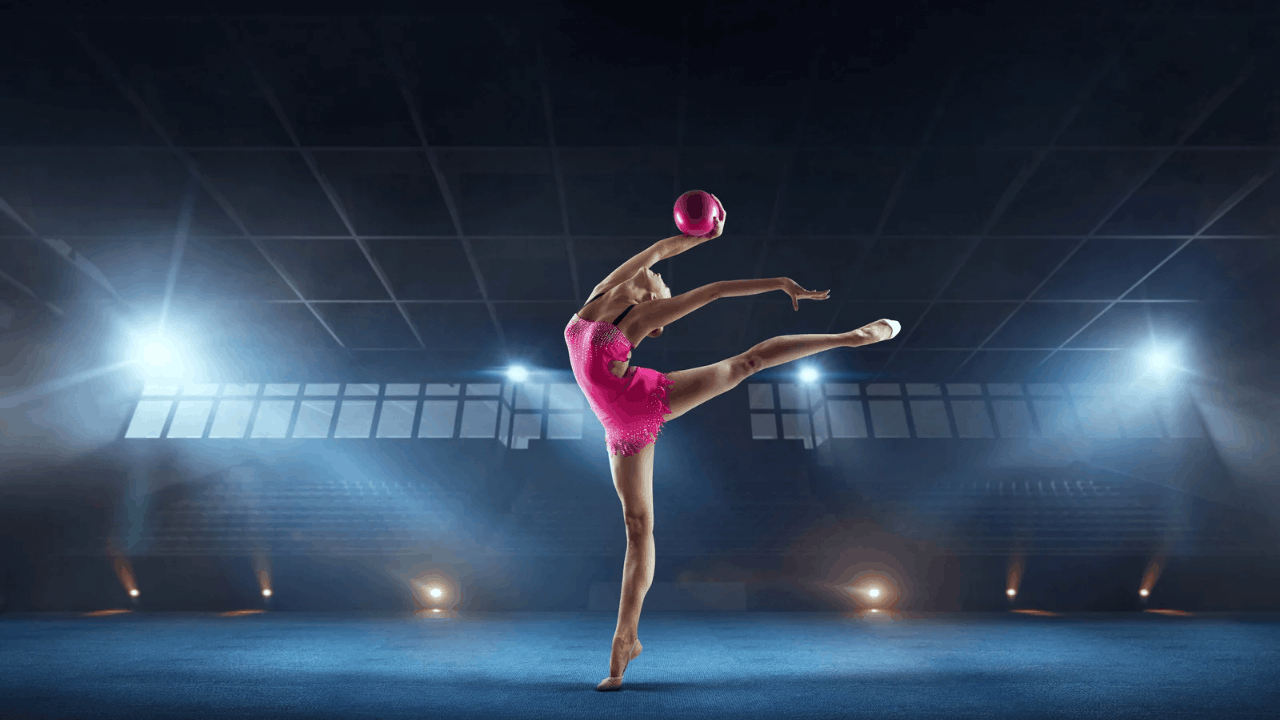
A Guide to Rhythmic Gymnastics Apparatus
February 18, 2026
Ami Nakai Stuns With Triple Axel to Lead Olympic Short Program
Competition highlights, industry trends, expert opinions, and stories from athletes and artists worldwide — delivered straight to your inbox