 English
 中文 (中国)
 Español
February 19, 2026
The Million-Dollar Medal: Alysa Liu’s Olympic Journey
July 17, 2025
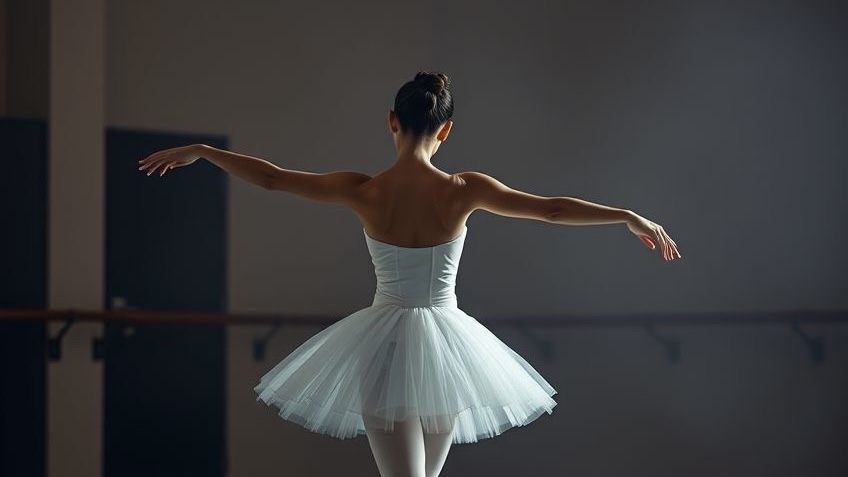
Ballet composition—the intricate art of blending choreography, music, and narrative—remains a cornerstone of the dance world in 2025, captivating audiences with its ability to tell stories without words. From the Romantic era’s timeless classics to contemporary works pushing artistic boundaries, ballet composers and choreographers create immersive experiences that resonate emotionally and visually. This article delves into the process of ballet composition, its historical evolution, standout creations of 2025, and the creative minds shaping the future of this dynamic art form.
Ballet composition begins with a vision, where choreographers and composers collaborate to weave movement, music, and often narrative into a cohesive performance. Unlike standalone music or dance, ballet composition demands synergy: the music sets the emotional tone, while choreography translates it into physical storytelling. Historically, this process was defined by figures like Marius Petipa, whose work with Tchaikovsky on Swan Lake (1877) and The Nutcracker (1892) set a gold standard for narrative ballets. In 2025, choreographers like Alexei Ratmansky continue this tradition, with his historically informed Swan Lake for Miami City Ballet recreating the 1895 Mariinsky production, praised by The New York Times for its “authentic yet fresh” approach. The process involves selecting music—often classical but increasingly modern—crafting steps that align with its rhythm, and designing sets and costumes to enhance the story.
Ballet composition traces its origins to the Renaissance courts of Italy and France, where dance and music accompanied lavish spectacles. The 19th century saw the rise of Romantic ballets like Giselle (1841), composed by Adolphe Adam, which paired ethereal scores with delicate pointe work to evoke love and tragedy. The 20th century brought innovation through Igor Stravinsky’s avant-garde scores for Sergei Diaghilev’s Ballets Russes, such as The Rite of Spring (1913), which shocked audiences with its primal rhythms and Vaslav Nijinsky’s radical choreography. Today, ballet composition embraces diverse influences, from jazz to electronic music. In 2025, New York City Ballet’s (NYCB) When We Fell by Kyle Abraham, originally a pandemic-era film, transformed into a stage piece with a minimalist score by Nico Muhly, blending classical lines with contemporary fluidity, as noted by Dance Magazine.
The 2025 season has showcased both revivals and bold new works. American Ballet Theatre’s (ABT) Swan Lake, celebrating its 25th anniversary, paired Tchaikovsky’s iconic score with Kevin McKenzie’s choreography, featuring debuts by Elisabeth Beyer, whose “crisp, lyrical” Odette-Odile captivated audiences at the Metropolitan Opera House. NYCB’s Solitude by Alexei Ratmansky, set to Gustav Mahler’s somber tones, reflected on the Ukraine war, earning praise for its “heart-wrenching narrative” depth. BalletX’s 20th-anniversary retrospective in Philadelphia premiered Keelan Whitmore’s Untitled, a fusion of classical and modern dance set to Max Richter’s ambient compositions, described by Broad Street Review as “a meditative triumph.” These works highlight how composers and choreographers in 2025 balance tradition with innovation, using music to amplify emotional storytelling.
Ballet composition is a collaborative dance between choreographer and composer, often involving directors, costume designers, and lighting teams. For new works, choreographers like Justin Peck at NYCB start with a concept—say, a story or emotion—then select or commission music. Peck’s 2025 Continuum, set to Philip Glass’s repetitive, hypnotic score, used angular movements to explore human connection, as seen in its Lincoln Center premiere. When working with existing music, choreographers adapt steps to fit the score’s rhythm, as seen in the Royal Ballet School’s 2025 Summer Performance, where Iain Mackay paired classical ballets with new pieces set to Vivaldi and Björk, creating a “stunning contrast” per The Stage. Collaboration extends to dancers, whose feedback refines the choreography, ensuring it feels organic and expressive.
Ballet composition in 2025 reflects a push toward inclusivity and accessibility. Companies like Pointeworks, a nonprofit, premiered works by women choreographers like Katie Jenkins, set to female composers’ scores, at Irvine Barclay Theatre, amplifying underrepresented voices. Community outreach also shapes composition, with the Royal Ballet’s Sing Dance Leap in Bradford, UK, integrating children’s choirs into new ballets, fostering a “communal spirit,” as noted by BBC News. Technology plays a growing role, with virtual reality enhancing The Nutcracker performances at Milwaukee Ballet, allowing audiences to experience the Sugar Plum Fairy’s world interactively. These trends show ballet composition evolving to engage diverse audiences while preserving its artistic core.
A well-crafted ballet composition transcends its components, creating moments that linger with audiences. The emotional resonance of Giselle’s second act, driven by Adam’s haunting score, or the triumphant swell of Tchaikovsky’s Swan Lakefinale, illustrates how music and movement evoke universal themes. In 2025, dancers like Olga Smirnova, whose Gisellewith ABT was called a “masterclass in storytelling” by The Guardian, embody this synergy. Social media buzz on X highlights fans’ awe at these performances, with one user describing Smirnova’s arabesques as “poetry in motion.” Ballet composition’s ability to blend athleticism and artistry continues to inspire, uniting creators and audiences in a shared experience.
Ballet composition in 2025 is a vibrant art form, weaving music, movement, and narrative into unforgettable performances. From the timeless beauty of Swan Lake to innovative works like Solitude and Untitled, choreographers and composers are pushing boundaries while honoring ballet’s rich history. As companies embrace inclusivity, technology, and community engagement, ballet remains a universal language of grace and emotion. Whether you’re a lifelong fan or new to the art, 2025’s ballet compositions invite you to witness the magic of stories told through dance—a testament to human creativity and connection.
Achieve More With VSA: Boost your skills with world-class coaches for just $29/hour. Perfect for skaters, hockey players, dancers, and athletes, VSA offers personalized training 24/7, 365 days a year, anywhere in the world.
By Vitalina Andrushchenko, Staff Writer
February 19, 2026
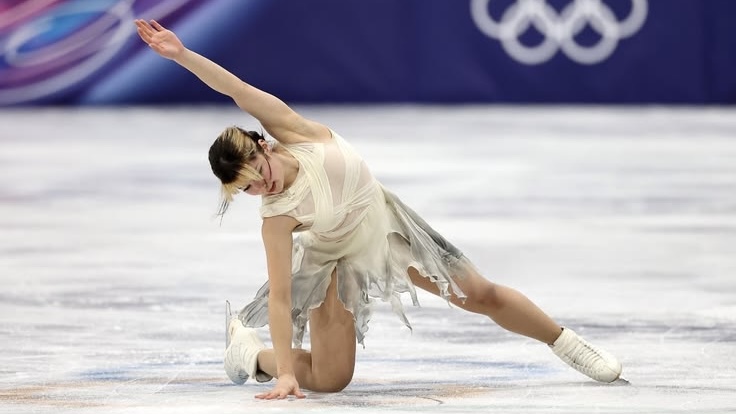
The Million-Dollar Medal: Alysa Liu’s Olympic Journey
February 21, 2026
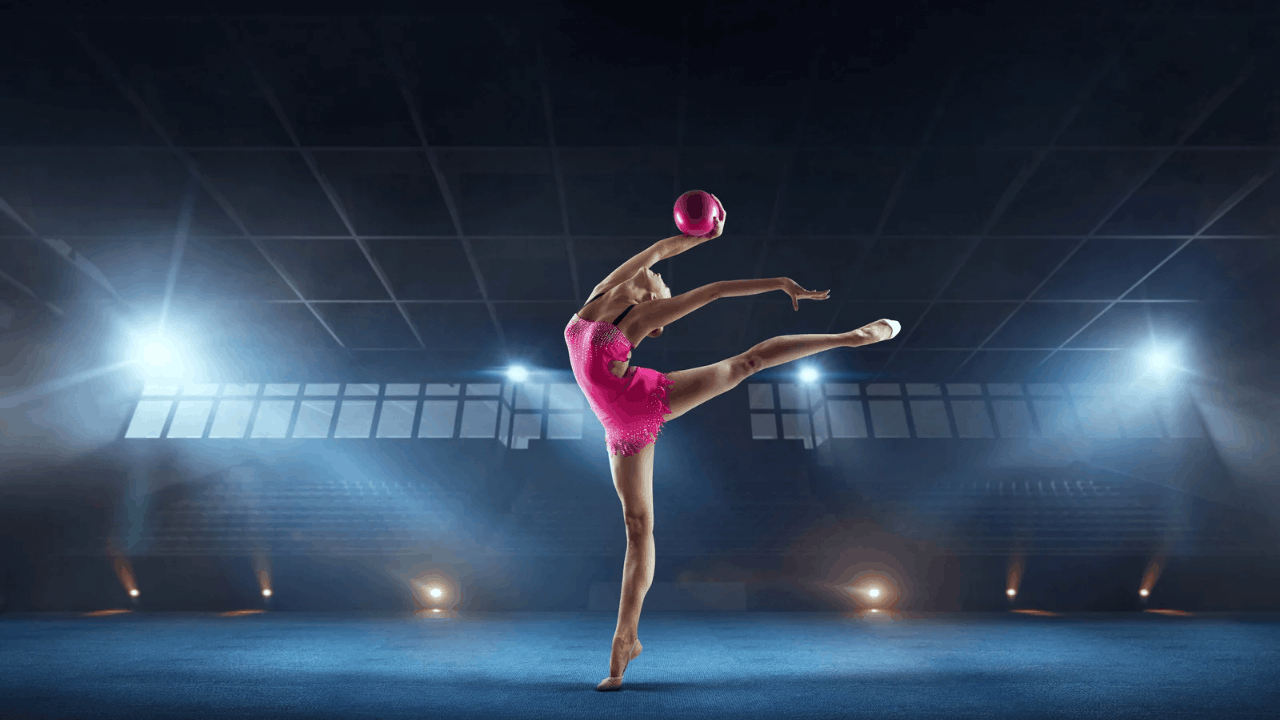
A Guide to Rhythmic Gymnastics Apparatus
February 18, 2026
Ami Nakai Stuns With Triple Axel to Lead Olympic Short Program
Competition highlights, industry trends, expert opinions, and stories from athletes and artists worldwide — delivered straight to your inbox