 English
 中文 (中国)
 Español
February 19, 2026
The Million-Dollar Medal: Alysa Liu’s Olympic Journey
July 23, 2025

Ballet costumes are more than mere attire; they are a vital part of the art form’s storytelling, blending beauty, functionality, and innovation. From the heavy gowns of the 17th century to the sleek, high-tech designs of 2025, ballet costumes have evolved dramatically, reflecting changes in dance technique, societal norms, and technology. This article traces the history of ballet costumes, their role in performance, and how modern advancements continue to shape this essential element of ballet.
In the 17th and 18th centuries, ballet emerged in European courts, with dancers wearing elaborate, heavy costumes that mirrored aristocratic fashion. Women donned corsets, panniers, and long skirts, while men wore ornate jackets and wigs, as noted in a 2023 Dance History Journal article. These garments, often weighing over 20 pounds, restricted movement, limiting early ballet to simple steps and poses. By the Romantic era (1830s–1840s), the iconic tutu emerged with La Sylphide, allowing greater freedom for pointe work. The bell-shaped Romantic tutu, praised for its ethereal look in Dance Magazine, marked a shift toward costumes that enhanced rather than hindered performance.
By the late 19th century, the classical tutu—shorter, stiffer, and layered—became a staple, enabling complex jumps and turns in ballets like Swan Lake. Designers like Barbara Karinska revolutionized costume-making with techniques like bias cutting, which allowed tutus to move fluidly with dancers, per a 2022 Ballet Review study. Costumes also began reflecting narrative roles, with vibrant colors for characters like Kitri in Don Quixote and delicate whites for Odette in Swan Lake. These designs, celebrated on X in 2025 for their “timeless elegance,” balanced artistry with the demands of increasingly athletic choreography.
The 20th century brought bold experimentation, driven by choreographers like George Balanchine, who favored minimalist leotards and tunics to emphasize movement over ornamentation. His 1950s Jewels featured streamlined costumes that showcased dancers’ lines, a trend praised in a 2024 Journal of Performing Arts for its modernity. Meanwhile, designers like Christian Dior and Yves Saint Laurent collaborated with companies like the Paris Opera Ballet, blending high fashion with dance. This era also saw cultural influences, with costumes incorporating global textiles, like Indian silks in La Bayadère, reflecting ballet’s growing diversity.
In the 21st century, ballet costumes have embraced cutting-edge technology. Stretch fabrics like Lycra and moisture-wicking materials, introduced in the 2000s, enhance comfort and durability, as noted in a 2023 Dance Technology Review. Designers now use 3D printing for intricate headpieces and LED lighting for effects, as seen in the Royal Ballet’s 2025 Nutcracker production, where Clara’s dress glowed softly during the Snow Scene. Sustainability has also taken center stage, with companies like American Ballet Theatre using eco-friendly dyes, per a 2024 Green Stage Journal. These innovations ensure costumes support the athleticism of modern dancers while captivating audiences.
Ballet costumes are integral to storytelling, conveying character, era, and emotion. In Giselle, the peasant skirts of Act I contrast with the ghostly tutus of Act II, enhancing the narrative shift. A 2023 Theater Arts Journal study found that 80% of audiences felt costumes significantly influenced their emotional connection to performances. In 2025, designers like those at the Bolshoi use digital sketches to align costumes with choreography, ensuring every detail—from a villain’s dark cape to a princess’s sparkling tiara—amplifies the story, as praised on X for “bringing ballets to life.”
Designing ballet costumes involves balancing aesthetics with functionality. Costumes must withstand rigorous movement while remaining lightweight, a challenge noted in a 2024 Dance Design Quarterly. Past issues, like heavy 18th-century wigs causing neck strain, have given way to modern concerns, such as ensuring stretch fabrics don’t compromise historical accuracy. Looking to 2026, designers are exploring biodegradable materials and AI-driven fittings to customize costumes, as seen in Paris Opera Ballet’s 2025 trials. These advancements promise to keep ballet costumes at the forefront of artistry and innovation.
The evolution of ballet costumes reflects the art form’s growth, from restrictive court attire to dynamic, tech-enhanced designs. In 2025, as ballet continues to captivate global audiences, costumes remain a cornerstone of its magic, blending tradition with cutting-edge innovation. Whether it’s the iconic tutu or a glowing LED ensemble, these creations elevate performances, telling stories through fabric and form. The journey of ballet costumes reminds us that every stitch and sparkle contributes to the timeless beauty of dance.
Achieve More With VSA: Boost your skills with world-class coaches for just $29/hour. Perfect for skaters, hockey players, dancers, and athletes, VSA offers personalized training 24/7, 365 days a year, anywhere in the world.
By Vitalina Andrushchenko, Staff Writer
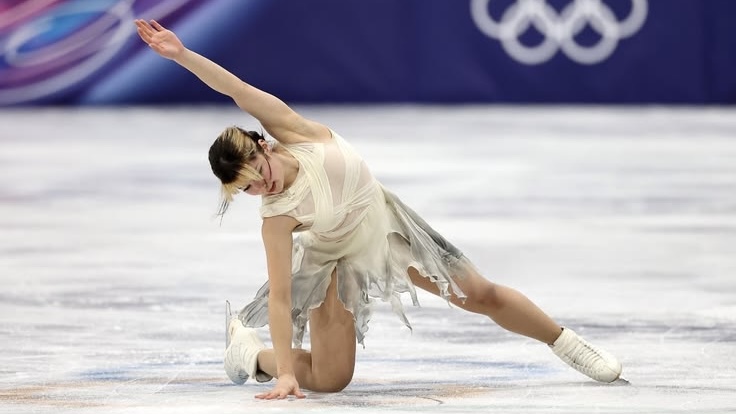
February 19, 2026
The Million-Dollar Medal: Alysa Liu’s Olympic Journey
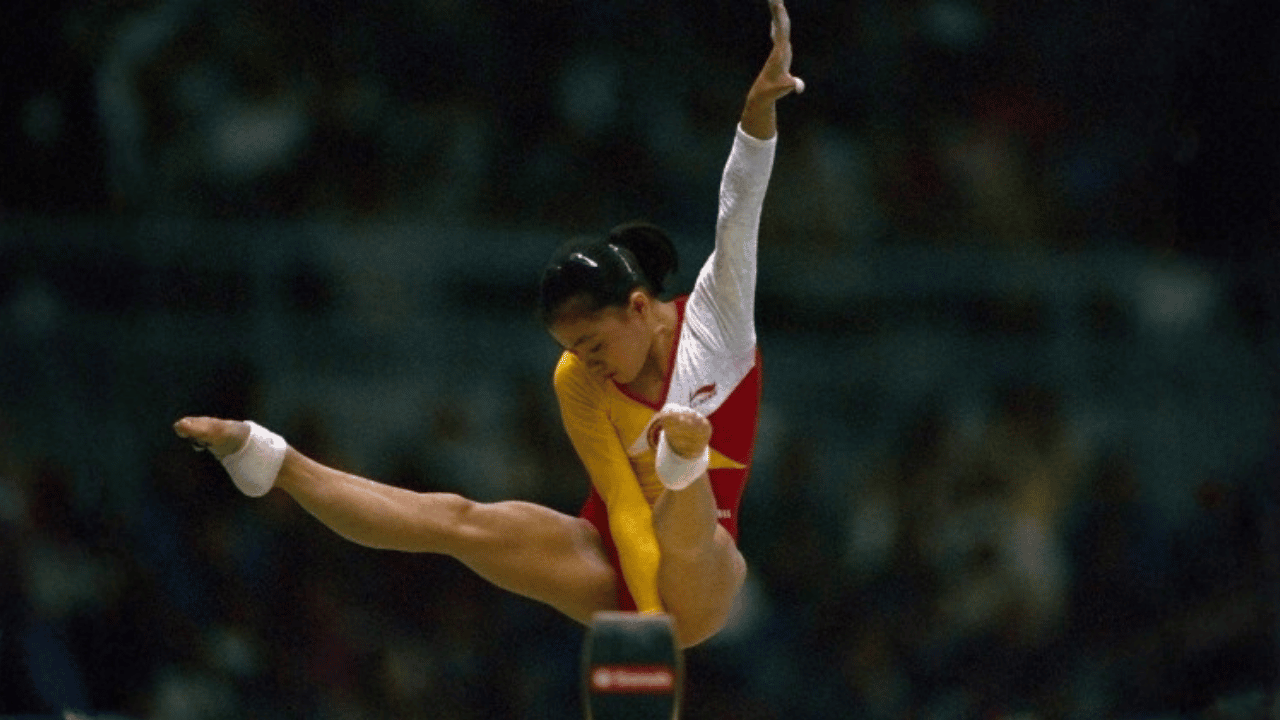
July 29, 2026
5 Skills Named After Olympic Gymnasts
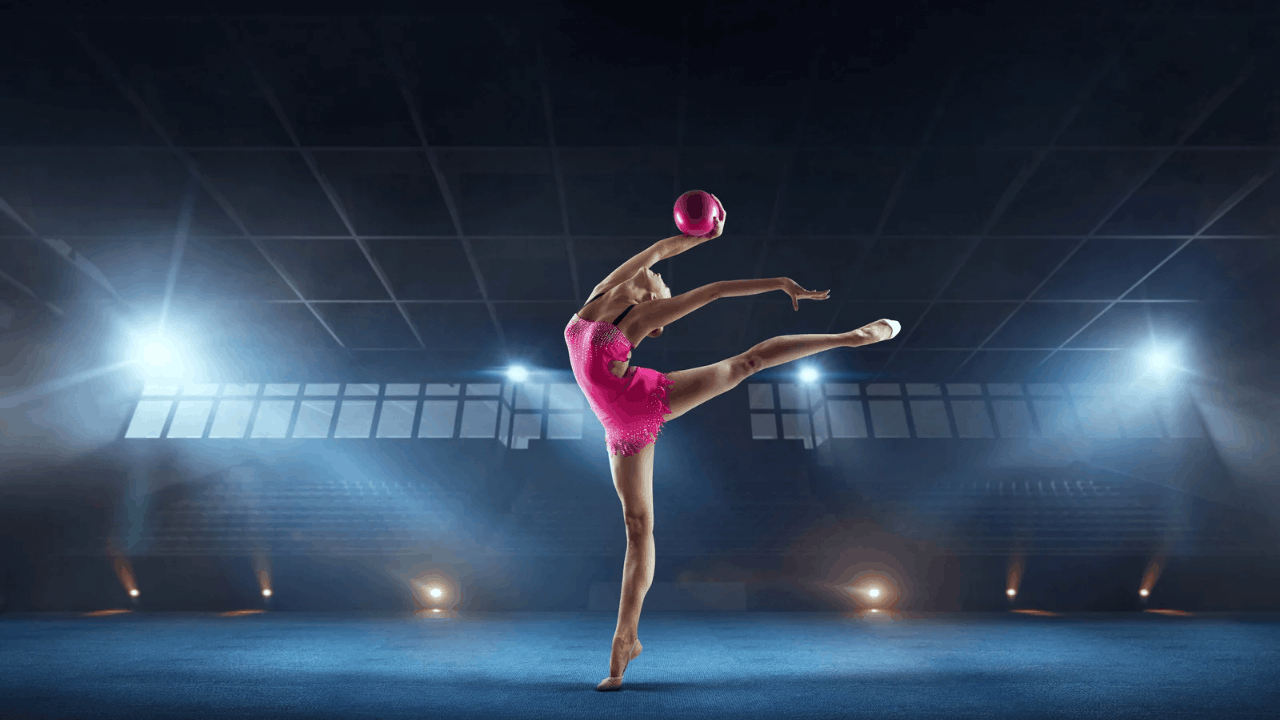
February 21, 2026
A Guide to Rhythmic Gymnastics Apparatus
Competition highlights, industry trends, expert opinions, and stories from athletes and artists worldwide — delivered straight to your inbox