 English
 中文 (中国)
 Español
February 19, 2026
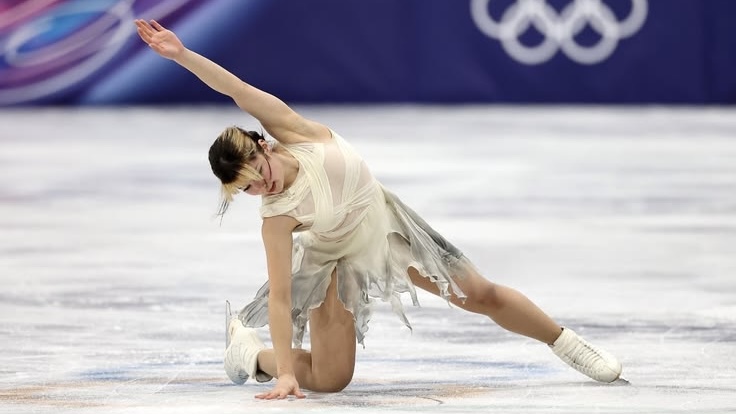
The Million-Dollar Medal: Alysa Liu’s Olympic Journey
August 07, 2025
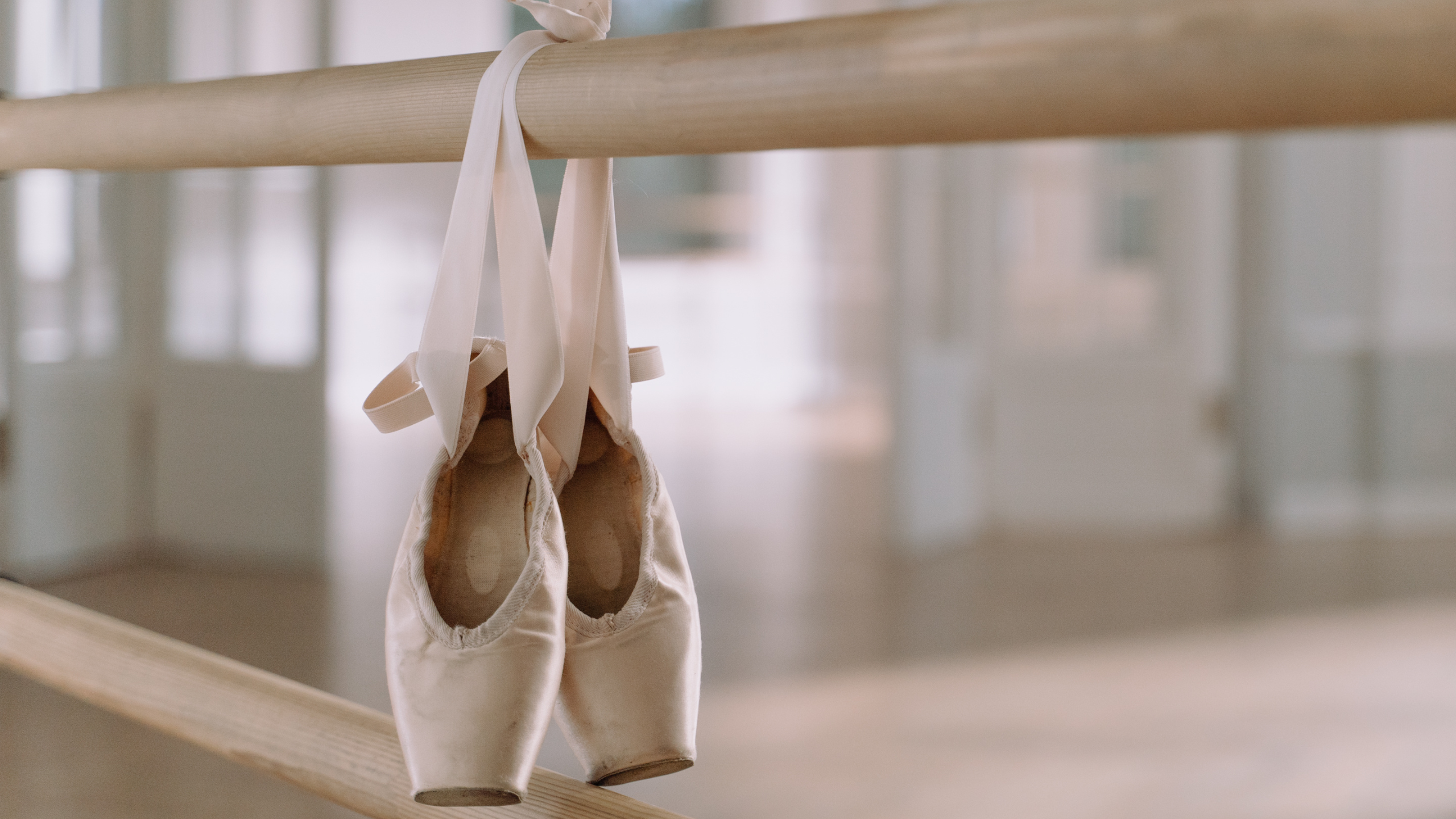
In the annals of Finnish ballet, few names shine as brightly as Doris Laine, a prima ballerina whose artistry and leadership elevated the Finnish National Ballet to international prominence. Born in 1931, Laine became a cornerstone of Finland’s cultural identity, captivating audiences with her performances in the 1950s and 1960s and later guiding the company as its director from 1984 to 1992. Her iconic role as Illusia in the 1952 production of Pessi ja Illusia during the Helsinki Olympics and her contributions to Finnish ballet’s unique style make her a legendary figure in European dance.
Doris Laine’s rise to prominence began with her training at the Ballet School of the Finnish National Opera, established in 1922 alongside the Finnish National Ballet. Named prima ballerina in 1956, she embodied a distinctly Finnish style, blending Russian-influenced bravura with an earthy expressiveness, as noted by former ballerina Seija Silfverberg. Her performance as Illusia in Pessi ja Illusia, a ballet based on Yrjö Kokko’s Finnish fairy tale, premiered during the 1952 Helsinki Olympics, introducing Finnish ballet to global audiences. The production, performed at the Alexander Theater, showcased Laine’s lyrical grace and emotional depth, earning praise for its cultural resonance, as reported in a 1952 Helsingin Sanomat review.
Laine’s performances helped define the Finnish National Ballet’s identity during a period when Finland, independent since 1917, sought to establish its cultural voice. Under the early direction of Edvard Fazer and ballet master George Gé, the company drew on Russian techniques but developed a bold, expressive style akin to the Bolshoi’s, per Silfverberg’s reflections. Laine excelled in classical roles like Odette in Swan Lake, performed in Stockholm in 1947, and in Finnish works like Seven Brothers (1980), choreographed by Marjo Kuusela, which captured the rugged spirit of Finnish folklore. X posts in 2022 celebrating the Finnish National Ballet’s centennial hailed Laine as a “fiery soloist” whose performances embodied national pride.
As director of the Finnish National Ballet from 1984 to 1992, Laine expanded the company’s repertoire, introducing Soviet ballets like Fountain of Bakhchisarai and works by European choreographers, fostering a blend of classical and modern dance. Her tenure saw the company move to a new opera house in 1993, though some, like former principal Jarmo Rastas, noted this shift distanced the ballet from its communal roots. Laine’s leadership nurtured talents like Jorma Uotinen, who later directed the company and invited stars like Sylvie Guillem to perform Giselle in 1998. Her commitment to education also strengthened the Ballet School, which trains 30 professional dancers annually.
Laine’s career unfolded against Finland’s unique geopolitical backdrop, with ballet serving as a cultural bridge during the Cold War. In the 1950s and 1960s, Helsinki hosted dancers from the Bolshoi and American Ballet Theatre, and Laine’s performances, such as her Swan Lake in international tours, showcased Finland’s artistic prowess. A 2022 Finnish Cultural Review article credits her with helping ballet gain a foothold in a country dominated by music and theater, noting her ability to convey “Finnish soul” through movement. Her work inspired modern Finnish choreographers like Tero Saarinen, whose contemporary style builds on Laine’s legacy of emotional authenticity.
Doris Laine’s enduring fame stems from her dual role as a performer and visionary leader. Her performances in works like Pessi ja Illusia brought Finnish folklore to the global stage, while her directorship modernized the Finnish National Ballet, blending tradition with innovation. The company’s 2022 centennial celebrations, highlighted in a Helsinki Timesfeature, honored Laine as a “national treasure” whose grace and strength shaped Finnish ballet’s identity. X users in 2025 continue to celebrate her, with posts calling her “the heart of Finnish dance,” reflecting her lasting impact on audiences and dancers alike.
Doris Laine’s legacy as Finland’s iconic ballet legend is a story of artistry, resilience, and cultural pride. From her captivating performances in the 1950s to her transformative leadership in the 1980s and 1990s, she elevated Finnish ballet to new heights, earning international acclaim. As the Finnish National Ballet continues to thrive, performing works like Swan Lake and The Snow Queen in 2025, Laine’s influence endures, inspiring dancers and audiences to embrace the beauty and power of ballet. Her journey remains a testament to the transformative potential of dance in shaping a nation’s cultural narrative.
Achieve More With VSA: Boost your skills with world-class coaches for just $29/hour. Perfect for skaters, hockey players, dancers, and athletes, VSA offers personalized training 24/7, 365 days a year, anywhere in the world.
By Vitalina Andrushchenko, Staff Writer
February 19, 2026
The Million-Dollar Medal: Alysa Liu’s Olympic Journey

December 25, 2025
Nancy Kerrigan’s $10 Million Legacy: Success Beyond the Ice
January 08, 2026
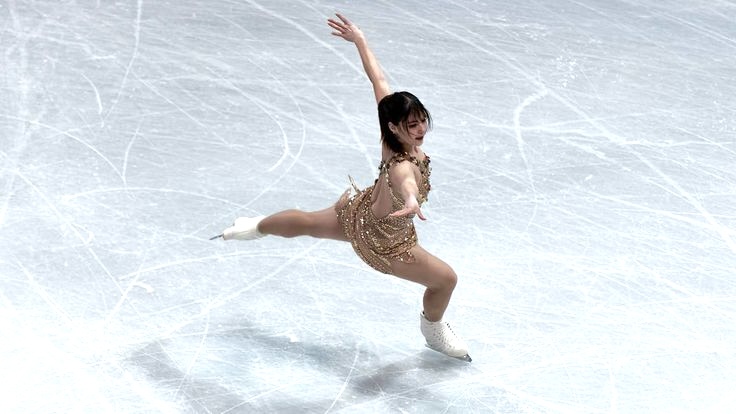
2026 U.S. Skating Nationals Results
Competition highlights, industry trends, expert opinions, and stories from athletes and artists worldwide — delivered straight to your inbox