 English
 中文 (中国)
 Español
February 19, 2026
The Million-Dollar Medal: Alysa Liu’s Olympic Journey
October 09, 2025
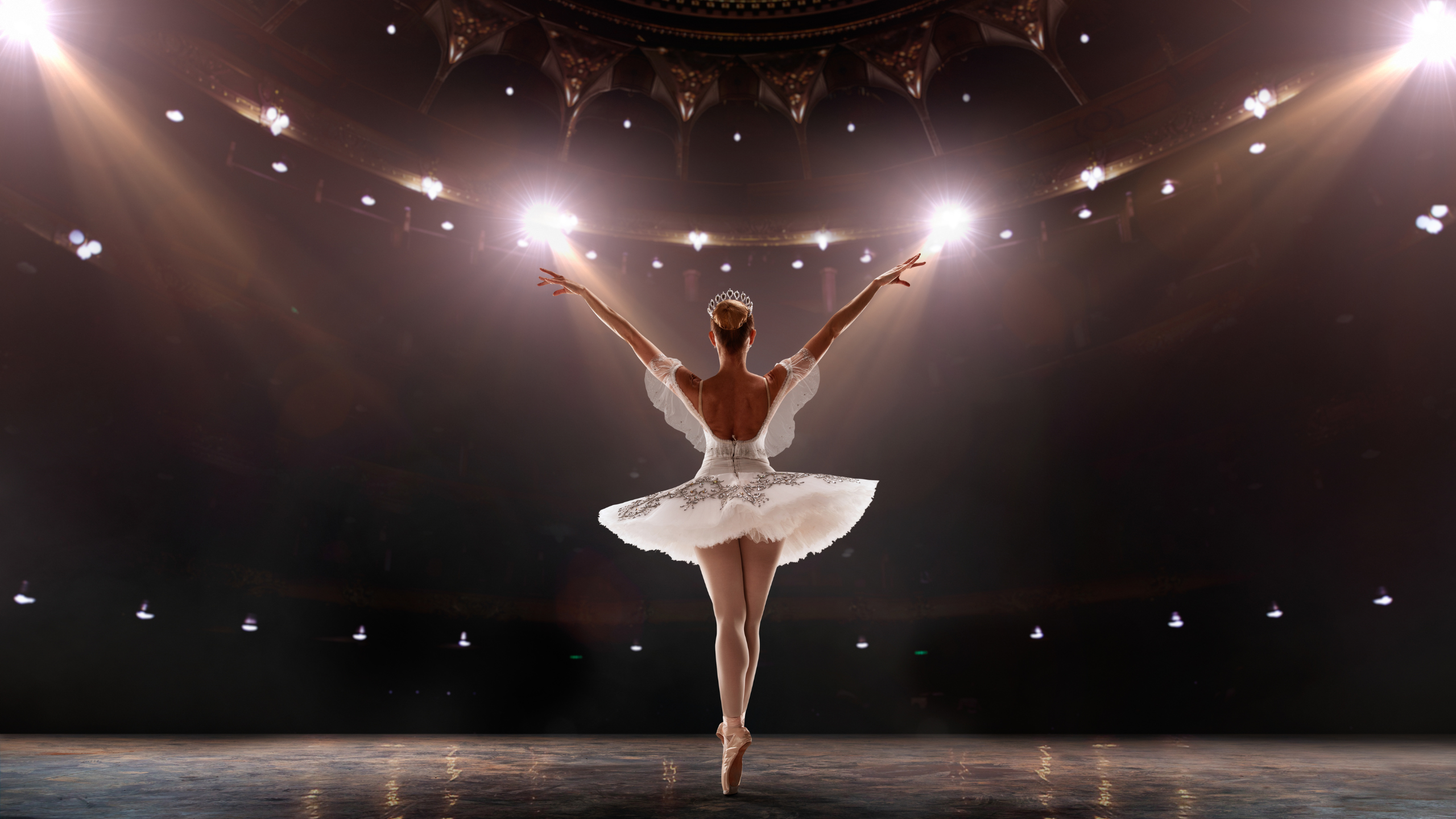
Ballet, with its graceful leaps, intricate footwork, and storytelling through movement, has captivated audiences for centuries. This elegant art form isn’t just a dance—it’s a cultural phenomenon that has evolved from royal entertainment to a global spectacle. Let’s pirouette through its fascinating history, exploring where it began and how it spread to become one of the world’s most beloved performing arts.
Ballet’s roots trace back to the opulent courts of Renaissance Italy in the 15th and 16th centuries. The word “ballet” derives from the Italian “ballare,” meaning “to dance,” and it started as elaborate spectacles during lavish events like weddings and banquets. Noblemen and women, dressed in extravagant costumes, performed choreographed dances that blended poetry, music, and movement.
One pivotal figure was Domenico da Piacenza, often called the “father of ballet,” who wrote the first known dance manual in the 1450s. These early ballets, known as “balletto,” were more like theatrical pageants than the pointe-shoe performances we know today. But they laid the foundation for a dance form that emphasized precision, poise, and artistry.
Ballet truly blossomed when it crossed the Alps into France, thanks to Catherine de’ Medici, an Italian noblewoman who became Queen of France in 1547. She brought Italian dance masters with her and staged grand “ballets de cour” at the French court. These performances were extravagant, featuring mythology, allegory, and even special effects like floating clouds and fountains.
The golden era in France came under King Louis XIV, the “Sun King,” who was an avid dancer himself. In 1661, he founded the Académie Royale de Danse, the world’s first ballet school, to professionalize the art. Louis performed in ballets, famously as Apollo, symbolizing his absolute power. This period saw the codification of ballet techniques, including the five basic foot positions still used today. By the 18th century, ballet had moved from courts to public theaters, with women taking center stage and the introduction of pointe work, allowing dancers to appear ethereal on their toes.
In the 19th century, ballet found a new epicenter in Russia, where it reached unparalleled heights of drama and technical brilliance. French choreographers like Marius Petipa emigrated to St. Petersburg, blending French elegance with Russian passion. Iconic ballets like Swan Lake, The Sleeping Beauty, and The Nutcracker, composed by Pyotr Ilyich Tchaikovsky, premiered at the Imperial Theatres.
Russia’s Imperial Ballet Schools trained virtuosos like Anna Pavlova and Vaslav Nijinsky, who dazzled the world. The Ballets Russes, founded by Sergei Diaghilev in 1909, toured Europe and introduced modernism to ballet, collaborating with artists like Picasso and composers like Stravinsky. Their production of The Rite of Spring caused a riot in Paris due to its radical choreography—talk about making an impact!
Ballet’s popularity exploded worldwide in the 20th century. In the United Kingdom, Ninette de Valois founded what became The Royal Ballet in 1931, nurturing talents like Margot Fonteyn. Across the Atlantic, George Balanchine, a Russian émigré, revolutionized American ballet with his neoclassical style, founding the New York City Ballet in 1948.
The art form spread to Asia, Latin America, and Africa. In China, ballet arrived in the 1920s via Russian émigrés, leading to the establishment of the Beijing Dance Academy in 1954. Cuba developed a strong tradition with the Ballet Nacional de Cuba, founded by Alicia Alonso in 1948. Today, ballet thrives in diverse cultures, from South Africa’s vibrant companies to Australia’s innovative troupes.
In the contemporary era, ballet continues to evolve, incorporating elements of modern dance, hip-hop, and even technology. Choreographers like Twyla Tharp and Matthew Bourne push boundaries, creating works that challenge traditions while honoring them.
Ballet’s global popularity is evident in its massive following: millions attend performances annually at renowned venues like the Bolshoi Theatre in Moscow, the Paris Opera Ballet, and the American Ballet Theatre in New York. Films like Black Swan and TV shows such as Dance Academy have brought it to mainstream audiences, inspiring new generations of dancers.
Did you know? The longest-standing ballet company is the Paris Opera Ballet, founded in 1669, and pointe shoes, invented in the early 19th century, can last a dancer only one performance!
From its humble beginnings in Italian Renaissance courts to its status as a global cultural treasure, ballet’s history is a tale of elegance, innovation, and passion. It started as entertainment for the elite but has become accessible and beloved worldwide, transcending borders and languages. Whether you’re watching a classic like Giselle or a contemporary piece, ballet reminds us of the beauty in human movement. So next time you see a dancer en pointe, remember the centuries of history behind every graceful step.
Achieve More With VSA: Boost your skills with world-class coaches for just $29/hour. Perfect for skaters, hockey players, dancers, and athletes, VSA offers personalized training 24/7, 365 days a year, anywhere in the world.
By Vitalina Andrushchenko, Staff Writer
February 19, 2026
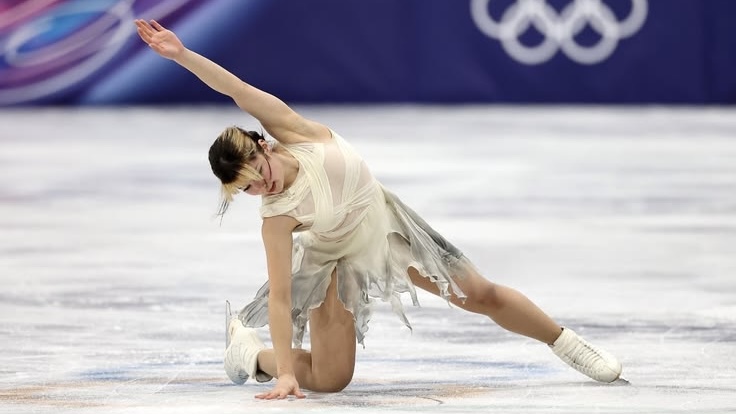
The Million-Dollar Medal: Alysa Liu’s Olympic Journey

December 25, 2025
Nancy Kerrigan’s $10 Million Legacy: Success Beyond the Ice
January 08, 2026
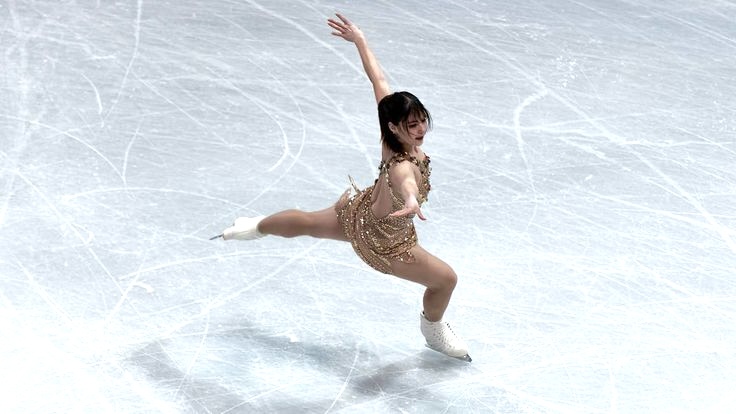
2026 U.S. Skating Nationals Results
Competition highlights, industry trends, expert opinions, and stories from athletes and artists worldwide — delivered straight to your inbox