 English
 中文 (中国)
 Español
February 19, 2026
The Million-Dollar Medal: Alysa Liu’s Olympic Journey
October 10, 2025
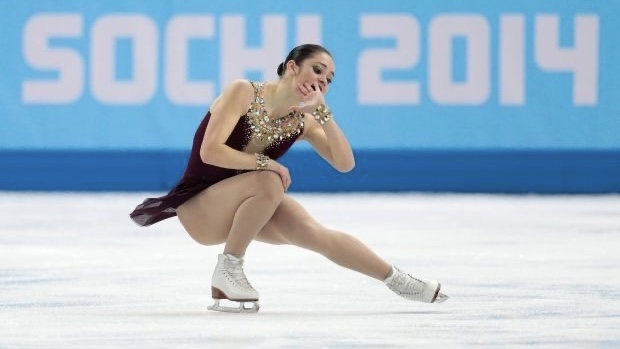
As the Milano Cortina 2026 Winter Olympics approach—the first Games since the International Skating Union (ISU) raised the minimum age for senior figure skating competitions to 17—discussions around this pivotal rule change continue to swirl in the skating community. Implemented gradually after the 2022 Beijing Olympics, where 15-year-old Kamila Valieva’s doping scandal thrust the issue into the spotlight, the decision has sparked passionate debate. Was it a necessary shield for young athletes’ well-being, or a barrier to budding talent? With the current Olympic quadrennium drawing to a close, let’s dive into the evolving opinions on this historic shift, drawing from skaters, coaches, fans, and experts who see both the poetry and the pitfalls in protecting the sport’s youngest stars.
The rule’s origins are tied to Beijing 2022. Valieva, a prodigy under intense scrutiny, tested positive for a banned substance months before the Games, yet was allowed to compete amid global outcry. Her emotional free skate collapse—coupled with revelations of grueling training regimens—highlighted the vulnerabilities of elite minors. The ISU responded swiftly: In June 2022, at its Congress in Phuket, Thailand, members voted 100-16 (with two abstentions) to raise the age limit from 15 to 16 for the 2023-24 season and 17 thereafter. ISU President Jan Dijkema hailed it as a “very historic decision,” aimed at safeguarding skaters’ physical, mental, and emotional health.
The proposal, backed by the ISU’s Medical Commission, cited risks like burnout, disordered eating, competition anxiety, and long-term injuries from high training volumes. For many, it felt like a long-overdue reckoning, especially in women’s singles, where Russian teens had dominated podiums with quadruple jumps that strained developing bodies.
A chorus of support echoes the sentiment that this was a “great decision,” particularly for women’s singles. Olympic medalist Kaetlyn Osmond, who competed as a teen, praised it for allowing skaters more time to mature emotionally and technically. “When I was young, the pressure was immense,” she reflected in interviews. “Raising the age gives girls a chance to develop without the world watching every fall.”
Eric Radford, an ISU Athletes’ Commission member and two-time Olympic medalist, spoke passionately at the Congress: “The vast majority of skaters are in favor of this change.” He emphasized protection from “loads and risks inappropriate for their age,” including psychological strain. Fans on forums like Golden Skate agree, noting deeper narratives in competitions. “We get to cheer for athletes over multiple seasons, like the Michelle Kwan era,” said one user, evoking the joy of sustained careers.
U.S. skater Mariah Bell echoed this, dreaming of “more athletes like Sasha Cohen—ones you root for year after year.” Data supports the positives: Since the change, junior events have seen healthier participation, with fewer reports of extreme weight loss or overuse injuries. For women’s singles, it levels the playing field, reducing the “quad rush” that favored early bloomers at the expense of longevity.
Not everyone is spinning in delight. Critics, including some U.S. and Serbian delegates at the Congress, worried the hike to 17—effective just before Milano Cortina—could disrupt development, especially in pairs and ice dance, where partners must sync ages. “It affects retention,” argued former skater Troy Goldstein, pointing to past successes like Tara Lipinski’s 1998 Olympic gold at 15. Smaller nations, like Israel, voiced concerns over disproportionate impacts: With limited talent pools, they argue, the rule stifles opportunities for prodigies from resource-scarce programs.
Russian voices, amid their ISU ban, have been pointed: Coach Tatiana Tarasova suggested the change targets her country’s dominance, while Dmitri Soloviev called it a ploy to “even out the competition.” On Golden Skate, users fret about “grandfathering” exceptions or adjusting junior rules, fearing it creates unfair overlaps for current teens.
Yet, as the quad ends, early signs are mixed but promising. The 2024-25 season, fully under the 17 rule, has seen more diverse podiums in women’s events, with skaters like Japan’s Kaori Sakamoto thriving into their 20s. Pairs competitions report stable participation, though some juniors delay senior debuts.
As the Beijing quad wraps, opinions lean positive: A 2024 ISU survey (informal but telling) showed 75% of stakeholders supporting the change, up from 80% at the vote. It benefits women’s singles most, fostering maturity and artistry over raw athleticism. But the conversation evolves—calls for junior age tweaks in pairs persist, aiming for balance.
In the end, like a flawless routine, the raised limit adds layers to figure skating’s elegance. It protects the fragile beauty of youth while inviting deeper storytelling on ice. As Milano Cortina beckons, one thing’s clear: The sport is growing up, one graceful step at a time. What side of the rink are you on?
Achieve More With VSA: Boost your skills with world-class coaches for just $29/hour. Perfect for skaters, hockey players, dancers, and athletes, VSA offers personalized training 24/7, 365 days a year, anywhere in the world.
By Vitalina Andrushchenko, Staff Writer
February 19, 2026
The Million-Dollar Medal: Alysa Liu’s Olympic Journey

December 25, 2025
Nancy Kerrigan’s $10 Million Legacy: Success Beyond the Ice
January 08, 2026
2026 U.S. Skating Nationals Results
Competition highlights, industry trends, expert opinions, and stories from athletes and artists worldwide — delivered straight to your inbox