 English
 中文 (中国)
 Español
February 19, 2026
The Million-Dollar Medal: Alysa Liu’s Olympic Journey
January 30, 2026
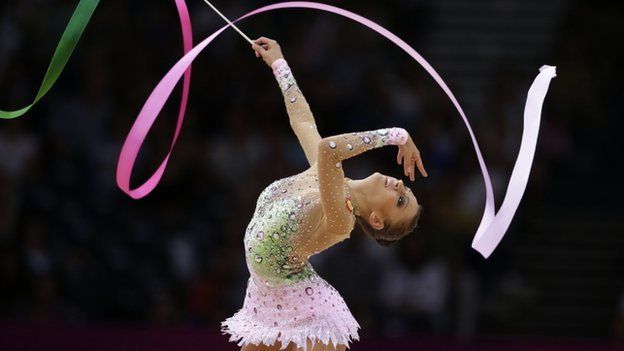
Rhythmic gymnastics is a mesmerizing fusion of ballet, creative dance, and elite athleticism. Unlike its artistic counterpart, this female-only discipline focuses on the seamless manipulation of apparatus—hoops, balls, clubs, ribbons, and ropes—synchronized to music. While the performance appears effortless, it is a high-stakes Olympic event where the slightest fumble of a ribbon or a heavy landing can shatter a dream of gold.
The roots of the sport are found in 19th-century European educational systems. Swedish educator Per Henrik Ling first conceptualized a “harmonious combination” of physical movement and music. However, it was the Swiss composer Emile Jacques-Dalcroze who breathed life into the discipline in the early 20th century through “eurhythmics,” a method of expressing musical rhythm through bodily movement.
By the 1940s, the Soviet Union had transformed these expressive exercises into a competitive sport. It gained official recognition from the International Gymnastics Federation (FIG) in 1961, eventually making its grand Olympic debut at the 1984 Los Angeles Games, where Canada’s Lori Fung claimed the inaugural individual title.
Rhythmic gymnastics is governed by a rigorous Code of Points that is updated after every Olympic cycle. Scoring is divided into two primary pillars:
The final score is the sum of D and E, minus any instant deductions for technical mishaps or overtime.
Historically, Eastern Europe has been the epicentre of rhythmic excellence. The Russian team remains the most decorated in history, fueled by legends like Evgeniya Kanaeva, the only gymnast to win two individual Olympic all-around golds (Beijing 2008 and London 2012).
However, the tide is shifting. At Tokyo 2020, Israel’s Linoy Ashram broke the status quo by winning the individual gold, a historic first for her nation. As we look toward the current competitive landscape, Italy’s Sofia Raffaeli has emerged as a dominant force, recently becoming the first Italian to claim the World Cup all-around title. In the group category, Bulgaria and France continue to push the boundaries of synchronized precision.
Source: article by Scott Bregman on olympics.com, published September 4, 2025.
Achieve More With VSA: Boost your skills with world-class coaches for just $29/hour. Perfect for skaters, hockey players, dancers, and athletes, VSA offers personalized training 24/7, 365 days a year, anywhere in the world.
By Vitalina Andrushchenko, Staff Writer
February 19, 2026
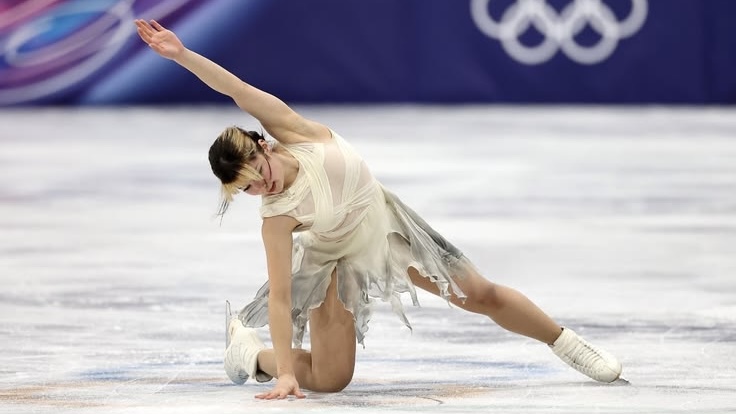
The Million-Dollar Medal: Alysa Liu’s Olympic Journey

December 25, 2025
Nancy Kerrigan’s $10 Million Legacy: Success Beyond the Ice
January 08, 2026
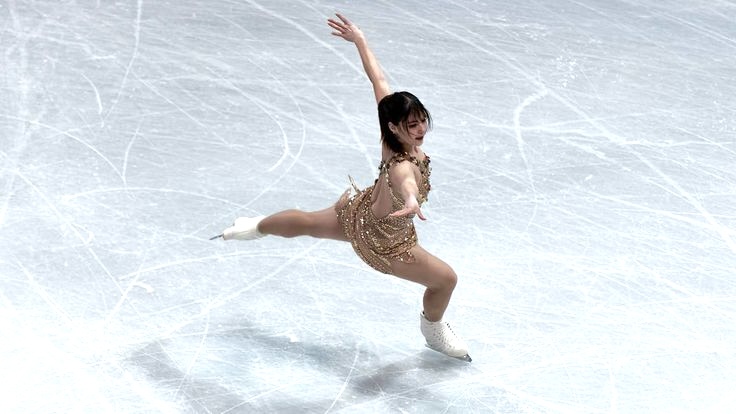
2026 U.S. Skating Nationals Results
Competition highlights, industry trends, expert opinions, and stories from athletes and artists worldwide — delivered straight to your inbox