 English
 中文 (中国)
 Español
December 25, 2025
Nancy Kerrigan’s $10 Million Legacy: Success Beyond the Ice
May 08, 2026
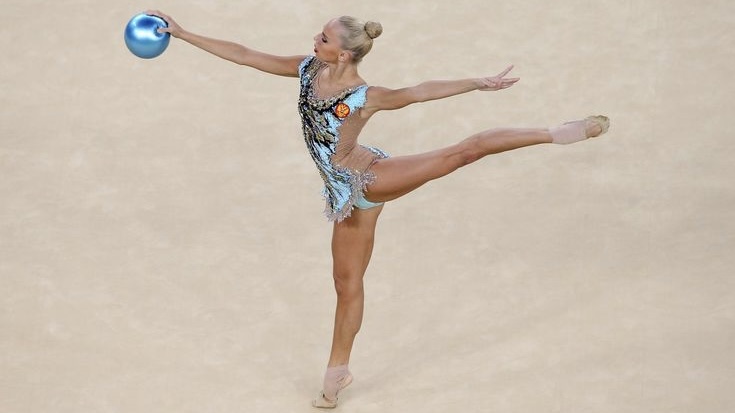
Fear during big throws is extremely common in rhythmic gymnastics, especially during competitions or when learning more difficult routines. High throws create pressure because the gymnast must stay focused while the apparatus leaves their control for several seconds.
Many athletes are not only afraid of dropping the apparatus, but also afraid of making mistakes in front of coaches, judges, teammates, or the audience. This pressure often causes tension in the shoulders, rushed timing, and loss of confidence during risky elements.
Understanding that fear is a normal reaction can already help gymnasts approach training with a calmer mindset.
One of the strongest ways to reduce apparatus fear is through consistent repetition under different conditions. When a gymnast repeats a throw enough times successfully, the body slowly begins to trust the movement.
Instead of practicing difficult throws only during full routines, many coaches break them into smaller exercises first. Athletes may repeat only the throw, only the catch, or only the body movement connected to the skill.
For example, Yana Kudryavtseva was widely recognized for her calm and controlled apparatus work during high-pressure performances. Her routines often looked effortless because of extremely consistent technical training and strong focus under pressure. Even difficult catches appeared natural because the movements had been practiced so many times that they became deeply reliable during competition.
During large throws, many gymnasts panic because they stop tracking the apparatus calmly. Learning how to follow the apparatus visually is just as important as improving the throw itself.
Experienced gymnasts usually keep their head relaxed and maintain visual focus on the apparatus throughout the flight. This helps timing feel more predictable and reduces sudden panic before the catch.
Exercises that improve reaction speed and visual coordination can also increase confidence during difficult exchanges and risky elements.
Fear often creates physical tension. Shoulders tighten, breathing becomes shallow, and movements lose fluidity. Even technically strong gymnasts may suddenly make mistakes because their body becomes stiff under pressure.
Simple breathing control before a difficult throw can help stabilize timing and rhythm. Many athletes use one calm inhale before preparation and exhale naturally during the movement.
When the body feels calmer, catches usually become cleaner and more controlled.
Some coaches intentionally create difficult situations during training to help gymnasts become less afraid of errors.
For example, athletes may practice after slight distractions, perform throws while tired, or continue routines even after a drop. This teaches the gymnast that mistakes are manageable and do not automatically ruin the entire performance.
Gymnasts who learn how to recover calmly from errors usually become mentally stronger competitors over time.
During competition, many athletes think too much about dropping the apparatus. Unfortunately, focusing on fear often increases the chance of mistakes.
Strong performers usually focus on timing, body position, music, and technique instead of imagining failure. Replacing negative thoughts with specific technical cues helps the brain stay more organized under pressure.
For example, instead of thinking “don’t drop,” a gymnast may focus on “strong arm,” “watch the apparatus,” or “finish the turn.”
Fear rarely disappears instantly. Confidence with big throws is usually built gradually through consistent practice, successful repetitions, and competition experience.
Some days will feel easier than others, especially after mistakes or stressful competitions. However, gymnasts who continue practicing patiently often develop much stronger mental stability over time.
The goal is not to become completely fearless, but to learn how to perform confidently even while feeling nervous.
Achieve More With VSA: Boost your skills with world-class coaches for just $29/hour. Personalized programs 24/7, 365 days a year, anywhere in the world.
By Vitalina Andrushchenko, Staff Writer

December 25, 2025
Nancy Kerrigan’s $10 Million Legacy: Success Beyond the Ice
February 19, 2026
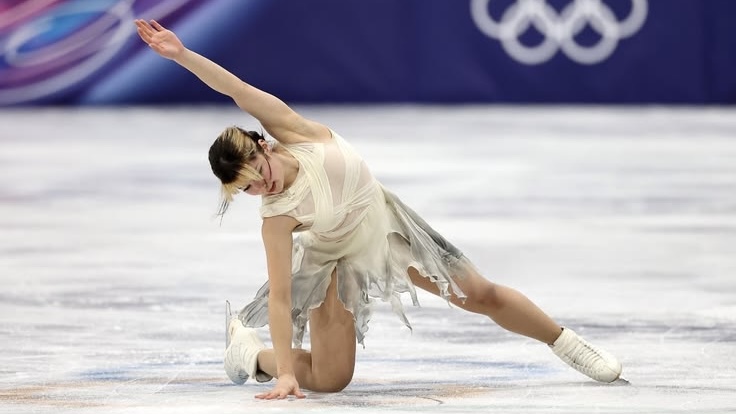
The Million-Dollar Medal: Alysa Liu’s Olympic Journey
January 08, 2026
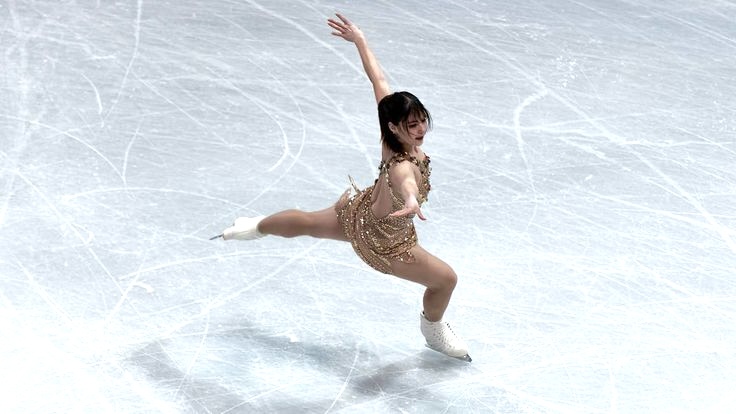
2026 U.S. Skating Nationals Results
Competition highlights, industry trends, expert opinions, and stories from athletes and artists worldwide — delivered straight to your inbox