 English
 中文 (中国)
 Español
December 25, 2025
Nancy Kerrigan’s $10 Million Legacy: Success Beyond the Ice
May 10, 2026
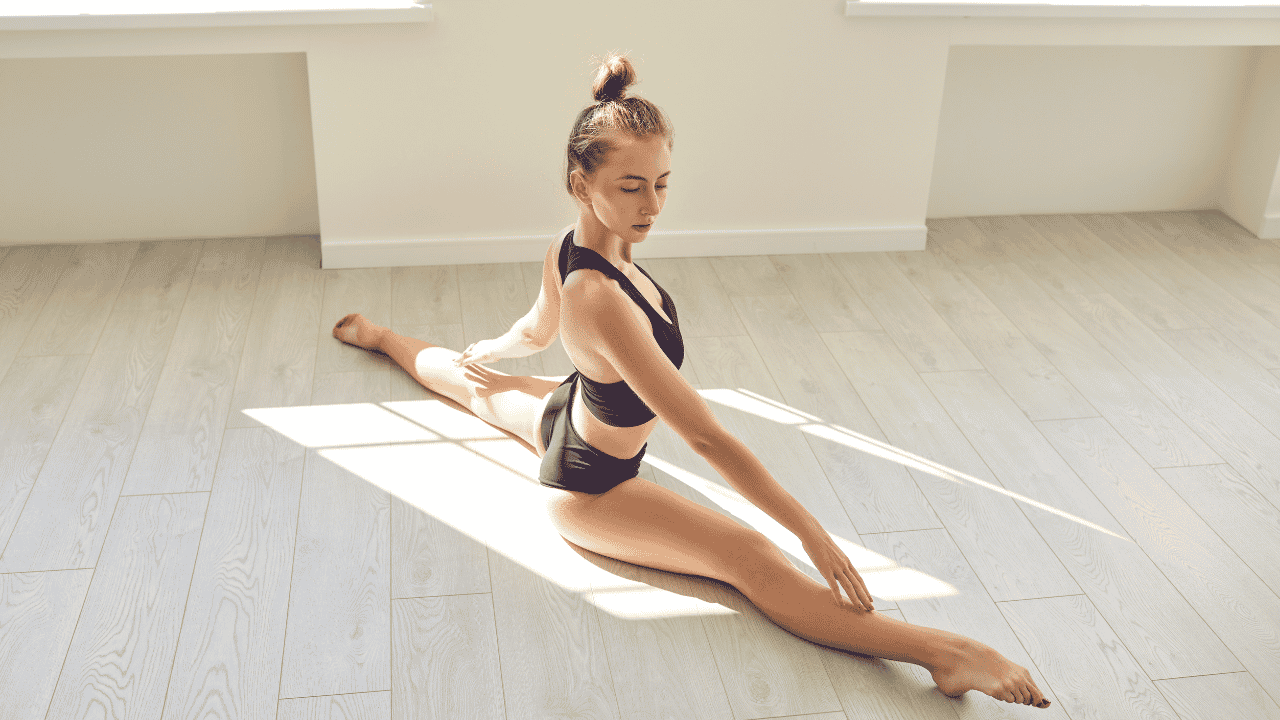
Many dancers, gymnasts, skaters, and athletes believe that doing splits every day automatically leads to flexibility improvement. However, after a certain point, progress often slows down or completely stops.
This happens because flexibility is not only about stretching longer or more often. The body also needs strength, recovery, proper technique, and nervous system adaptation. Repeating the same stretches daily without changing the training approach can eventually create a plateau.
Sometimes athletes feel frustrated because they work hard consistently but no longer see visible changes in their splits.
Many people assume their muscles are simply “too tight.” In reality, the body may actually be protecting itself from positions it does not fully control.
If the hips, glutes, core, or hamstrings are not strong enough to support deep flexibility safely, the nervous system may create tension to prevent instability. This is why some athletes can stretch for long periods but still struggle to get lower in their splits.
For example, Simone Biles is known not only for flexibility, but also for extraordinary strength and body control. Elite athletes often combine mobility with strength training because stable flexibility is usually more effective and safer than passive flexibility alone.
Daily intense stretching without enough recovery may actually make flexibility worse over time.
When muscles and connective tissues stay constantly fatigued, the body can respond with more tightness instead of relaxation. Painful stretching sessions may also create fear and tension in the nervous system, reducing long-term progress.
Many coaches now prefer shorter and more controlled flexibility sessions instead of forcing athletes into extreme positions every day.
One of the biggest reasons flexibility stops improving is lack of active strength in extended positions.
Exercises such as leg lifts, controlled holds, lunges, and core work help the body feel stronger and safer inside deep stretches. When muscles become more stable, the nervous system often allows greater range of motion naturally.
This is why athletes who combine stretching with strength training frequently see faster and more sustainable flexibility results.
Small technical mistakes can also limit progress. Uneven hips, rotated legs, poor posture, or incorrect alignment may prevent the body from reaching a true split position.
Sometimes athletes focus only on getting lower instead of maintaining proper form. Working with a coach, filming stretches, or correcting posture can make flexibility training much more effective.
Even slight alignment improvements may completely change how a stretch feels in the body.
Sleep, hydration, stress levels, and recovery all affect flexibility more than many athletes realize.
When the body is tired or stressed, muscles naturally become more protective and resistant. Athletes who never rest properly may feel constantly tight despite stretching every day.
Rest days, massage, gentle mobility work, and proper warm-ups often help flexibility improve more efficiently than simply increasing stretching time.
Flexibility improvement rarely happens in a perfectly straight line. Some weeks show visible progress, while others feel completely stagnant.
Plateaus are normal in flexibility training, especially for athletes already close to advanced splits. Consistency, patience, and balanced training usually produce better long-term results than aggressive stretching alone.
Often the body improves quietly over time before major visible changes finally appear.
Achieve More With VSA: Boost your skills with world-class coaches for just $29/hour. Personalized programs 24/7, 365 days a year, anywhere in the world.
By Vitalina Andrushchenko, Staff Writer

December 25, 2025
Nancy Kerrigan’s $10 Million Legacy: Success Beyond the Ice
February 19, 2026
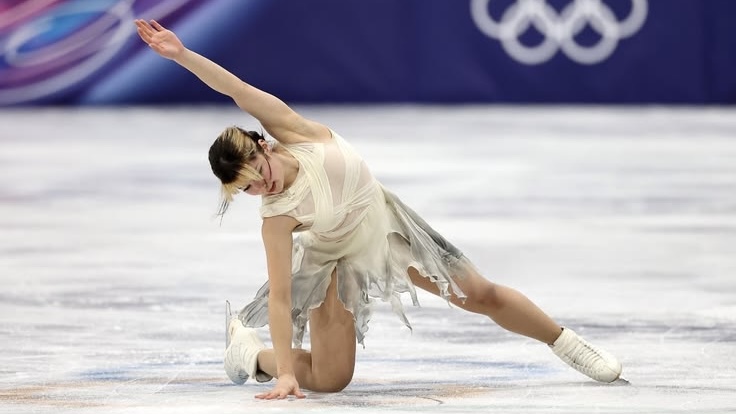
The Million-Dollar Medal: Alysa Liu’s Olympic Journey
January 08, 2026
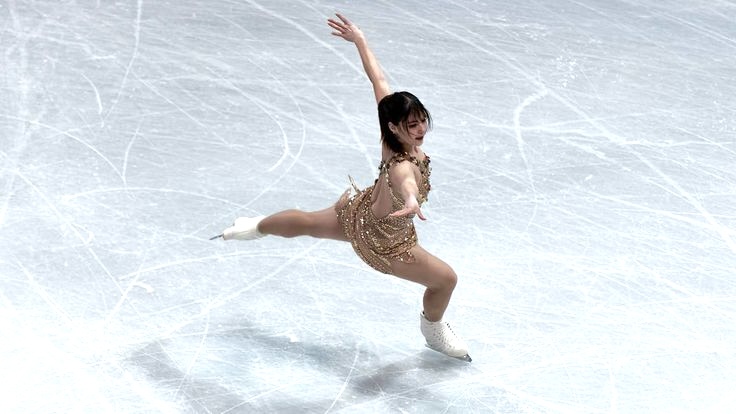
2026 U.S. Skating Nationals Results
Competition highlights, industry trends, expert opinions, and stories from athletes and artists worldwide — delivered straight to your inbox