 English
 中文 (中国)
 Español
February 19, 2026
The Million-Dollar Medal: Alysa Liu’s Olympic Journey
May 17, 2026
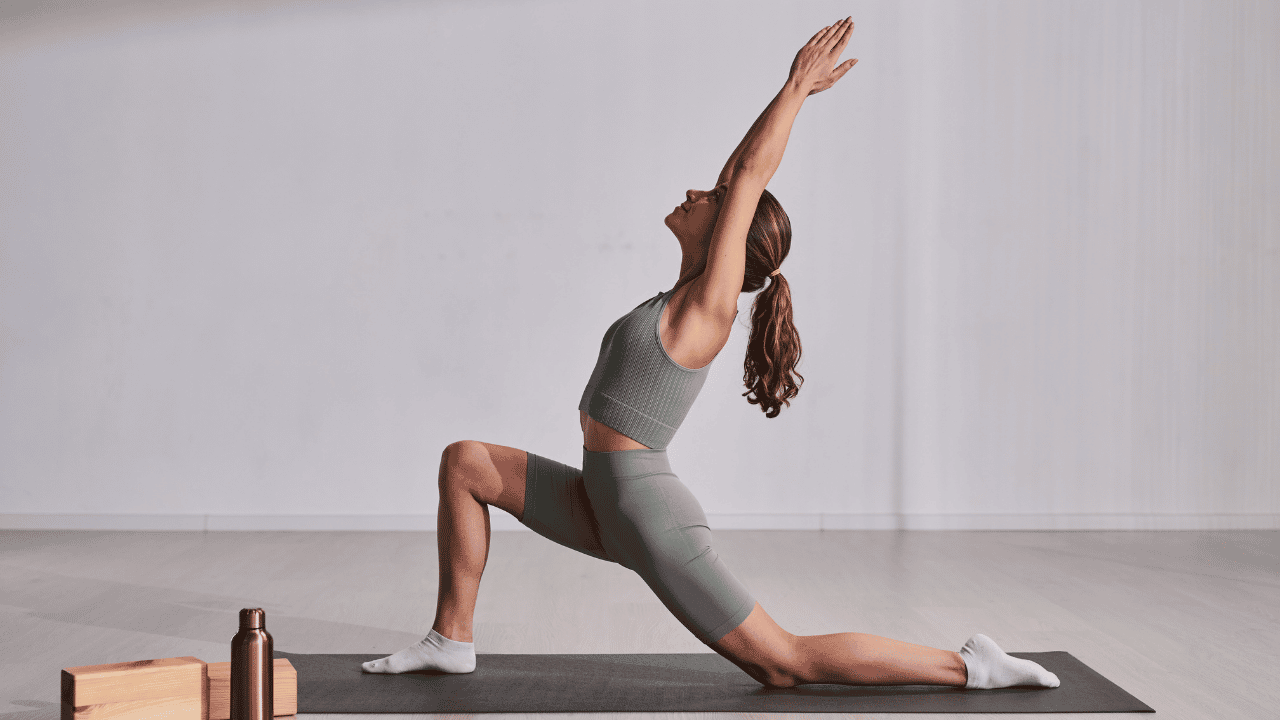
Social media is full of stretching hacks that promise instant splits, extreme flexibility, or dramatic results in only a few days. These videos often look impressive because they show fast progress, intense positions, or highly flexible athletes.
However, flexibility development usually does not work that quickly in real life. Many viral stretching methods focus on temporary results instead of long-term body adaptation. A person may feel more flexible immediately after stretching, but that does not always mean the body has safely developed lasting mobility.
This is why many people experience fast early progress followed by pain, plateaus, or loss of flexibility later.
Many viral routines focus only on passive stretching positions without addressing strength, control, or recovery.
Real long-term flexibility requires the muscles, joints, and nervous system to work together safely. If the body does not feel stable in deep positions, it often creates tension to protect itself.
This means someone can spend hours stretching every day but still struggle to improve permanently because the body lacks active control and strength inside those positions.
One reason stretching hacks rarely work long-term is because flexibility is strongly connected to the nervous system.
When stretches are too aggressive, painful, or forced, the body may react defensively instead of relaxing. Muscles tighten automatically to protect joints and prevent injury.
Many viral videos encourage pushing through discomfort quickly, but long-term flexibility usually improves better through gradual adaptation and consistency rather than extreme intensity.
Social media often presents flexibility training as if the same routine works for everybody.
In reality, body structure, injury history, age, training background, and natural mobility vary greatly from person to person. A stretch that feels safe for one athlete may create discomfort or instability for another.
Long-term flexibility training usually requires individualized progressions instead of copying random internet routines exactly.
Many people believe stretching harder always leads to faster results. In reality, overstretching often creates fatigue, irritation, and increased tightness over time.
When the body feels constantly stressed, muscles may become even more protective. Some athletes eventually feel tighter despite stretching every day because their recovery is insufficient.
Balanced flexibility training usually includes rest, strength work, mobility exercises, and controlled stretching rather than forcing extreme positions daily.
Most viral stretching content is designed to capture attention quickly.
Extreme positions, painful-looking stretches, and dramatic transformations usually receive more views online than slow, technical, long-term training methods. As a result, many videos focus more on visual impact than sustainable physical development.
Unfortunately, what looks impressive on social media is not always what works best for healthy long-term flexibility.
Sustainable flexibility normally develops through gradual adaptation over months or years.
Small improvements repeated consistently tend to create safer and more stable results than aggressive short-term methods. Athletes who focus on strength, technique, recovery, and body awareness usually maintain their flexibility much longer.
Long-term progress may look slower online, but it is often more reliable and healthier for the body.
Achieve More With VSA: Boost your skills with world-class coaches for just $29/hour. Personalized programs 24/7, 365 days a year, anywhere in the world.
By Vitalina Andrushchenko, Staff Writer

February 19, 2026
The Million-Dollar Medal: Alysa Liu’s Olympic Journey

December 25, 2025
Nancy Kerrigan’s $10 Million Legacy: Success Beyond the Ice

January 08, 2026
2026 U.S. Skating Nationals Results
Competition highlights, industry trends, expert opinions, and stories from athletes and artists worldwide — delivered straight to your inbox