 English
 中文 (中国)
 Español
February 19, 2026
The Million-Dollar Medal: Alysa Liu’s Olympic Journey
May 19, 2026
Many figure skaters believe losing a spin center happens only because they rotate too fast or make a technical mistake during entry. In reality, centered spins depend on much more than rotation speed alone.
A stable spin center comes from balance, body alignment, timing, and precise weight distribution over the skating blade. Even small shifts in posture or edge pressure can slowly pull the skater away from the center of the spin.
This is why some spins travel dramatically across the ice while others appear almost perfectly fixed in one spot.
One of the biggest reasons skaters lose spin centers is inconsistency in body alignment.
If the hips shift slightly, the shoulders rotate unevenly, or the head moves out of position, the body’s axis becomes unstable. The skate blade then begins tracing a larger circle on the ice instead of staying centered.
Many skaters try to “force” the spin back to the middle using extra tension, but this often creates even more traveling and loss of control.
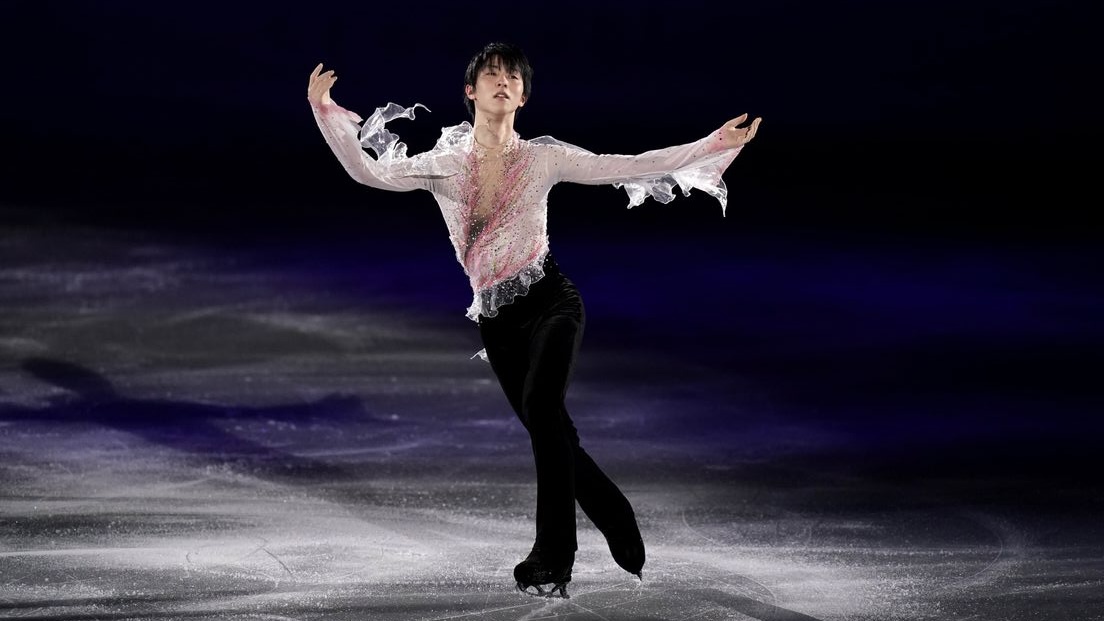
For example, Yuzuru Hanyu became widely recognized for the extraordinary control and centering of his spins during competition. One reason his spins appeared so stable was his strong alignment through the core, hips, and shoulders throughout difficult position changes. Even at very high rotational speed, his body axis stayed remarkably controlled.
Another important detail in Hanyu’s spins was the smooth timing between entry, acceleration, and position transitions. Instead of forcing rotation suddenly, he allowed the spin to build naturally with continuous flow. This created spins that looked effortless and visually centered, even during highly difficult variations.
Many skaters lose their centers when they become nervous or tense.
During competitions, athletes often tighten their shoulders, jaw, or upper body without realizing it. This tension interrupts balance and makes it harder for the body to stay stacked over the skating foot.
Ironically, trying too hard to “hold” the center often causes more instability. Relaxed control usually creates stronger spin consistency than excessive muscular tension.
Spin centers are also heavily connected to blade control.
The exact pressure point on the blade affects how the spin rotates over the ice. If weight shifts too far forward or backward, the spin may immediately begin traveling.
Experienced skaters develop extremely sensitive edge awareness, allowing them to make tiny balance corrections during rotation without visibly disrupting the spin.
Spins often become less centered when the body is tired.
Core fatigue, weaker posture, and slower reaction timing make it harder to maintain precise alignment during rotation. This is why spins performed late in programs sometimes travel more compared to spins during warm-up sessions.
Elite skaters train endurance specifically so technical precision remains stable even under physical exhaustion.
Many advanced skaters focus heavily on difficult spin variations but neglect basic centering exercises.
Simple upright spins, edge drills, posture work, and slow rotational exercises help athletes understand how balance moves over the blade. These basics create the foundation for more advanced positions later.
In many cases, improving a spin center is less about adding difficulty and more about refining small technical details consistently.
The most beautiful spins often appear calm, effortless, and almost motionless across the ice.
Strong centers create visual elegance because the audience sees clean rotation instead of constant traveling. In high-level figure skating, centered spins are often a sign of deep technical control rather than pure athletic power.
Many of the world’s best skaters are recognized not only for how fast they spin, but for how quietly and precisely they control the center itself.
Achieve More With VSA: Boost your skills with world-class coaches for just $29/hour. Personalized programs 24/7, 365 days a year, anywhere in the world.
By Vitalina Andrushchenko, Staff Writer
February 19, 2026
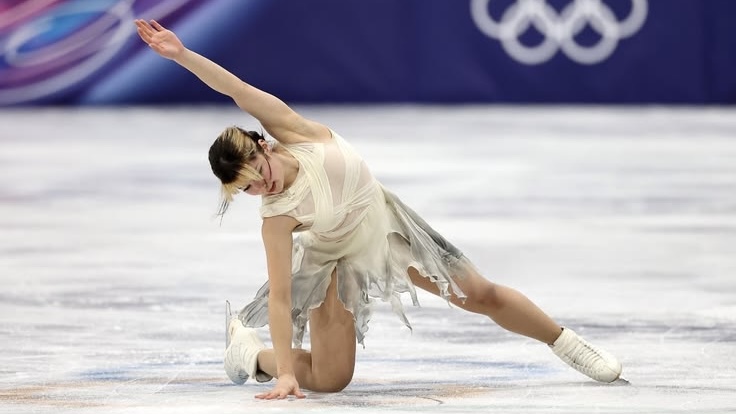
The Million-Dollar Medal: Alysa Liu’s Olympic Journey

December 25, 2025
Nancy Kerrigan’s $10 Million Legacy: Success Beyond the Ice
January 08, 2026
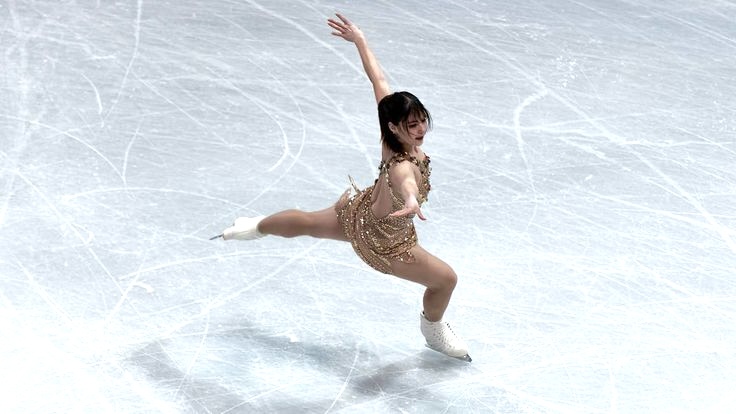
2026 U.S. Skating Nationals Results
Competition highlights, industry trends, expert opinions, and stories from athletes and artists worldwide — delivered straight to your inbox