 English
 中文 (中国)
 Español
February 19, 2026
The Million-Dollar Medal: Alysa Liu’s Olympic Journey
May 21, 2026
Many beginner pianists believe playing piano is mainly about pressing the correct keys. In reality, rhythm is often the biggest challenge during the first stages of learning.
A student may memorize notes correctly but still sound unsteady, rushed, or disconnected because the timing is inconsistent. Even simple songs can sound difficult to listen to when rhythm control is weak.
Professional teachers often notice that beginners spend far more attention on hand position and note accuracy while completely ignoring pulse and timing.
One of the most common rhythm mistakes is abandoning counting once the notes become more complicated.
Many students count carefully during easy exercises but stop counting completely when both hands start playing together. As a result, they begin guessing timing instead of feeling a stable beat internally.
This creates uneven pauses, rushed sections, and inconsistent tempo throughout the piece.
Rhythm problems become much bigger once pianists start using both hands simultaneously.
The brain must process different rhythms, note patterns, and movements at the same time. Beginners often focus so heavily on one hand that the other hand loses rhythmic stability.
For example, many students slow down unconsciously before difficult left-hand jumps or speed up during easier right-hand melodic passages.
This is why hands-separate practice is still extremely important even for relatively simple music.
One major reason rhythm develops poorly is because beginners try to play songs at full speed too early.
When tempo is too fast, the brain cannot properly organize movement timing. Students then develop survival habits instead of accurate rhythm control.
Practicing slowly allows the nervous system to understand spacing between beats, hand coordination, and movement preparation much more clearly.
Ironically, slower practice often leads to faster improvement later.
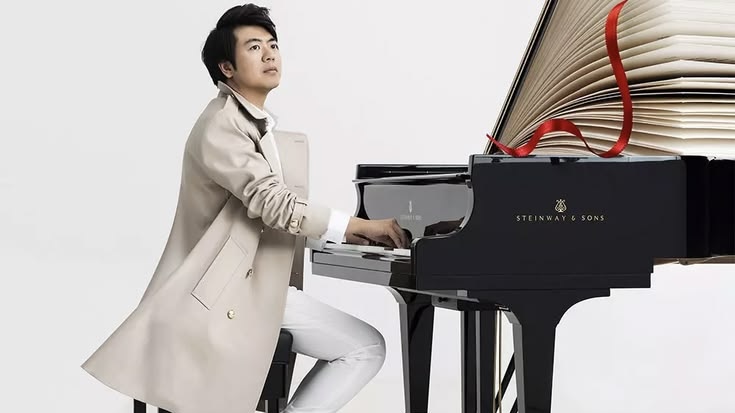
For example, Lang Lang has often spoken about the importance of rhythmic control and precision in piano playing. Even highly expressive performances still rely on extremely stable internal timing underneath musical interpretation.
One reason elite pianists sound “effortless” is because rhythm becomes deeply automatic through years of disciplined practice. Their hands are not randomly reacting to notes — the body learns to organize movement around pulse and structure very precisely.
Many beginners think rhythm exists only in the ears, but physical movement strongly affects timing.
Tension in the shoulders, stiff wrists, frozen fingers, or poor posture can interrupt natural rhythmic flow. Some students physically “panic” before difficult sections, which immediately changes tempo without them noticing.
Advanced pianists usually develop relaxed movement patterns that help maintain stable timing even during technically difficult passages.
Many piano students use metronomes incorrectly.
Some rely on the click mechanically without actually listening internally, while others immediately turn the metronome off once the exercise becomes difficult.
A metronome works best when students actively match the pulse instead of simply following it passively. Gradually increasing tempo while maintaining relaxation is usually far more effective than forcing speed immediately.
One helpful method is clapping rhythms before playing them on the piano. This allows the brain to focus on timing separately from finger coordination.
Another useful strategy is speaking counts out loud while playing. Even advanced musicians often count difficult passages verbally during practice.
Students can also practice difficult measures in short loops instead of replaying entire pieces repeatedly. Repeating only the unstable rhythmic section usually fixes timing problems much faster.
Recording practice sessions is also extremely effective because many rhythm mistakes become obvious immediately when listening back.
Strong rhythm creates stability, confidence, and musical flow.
When timing becomes reliable, pianists usually feel less nervous because they no longer fear losing control of the piece. Good rhythm also makes performances sound cleaner and more professional even before advanced technical skills fully develop.
For many pianists, improving rhythm is one of the fastest ways to dramatically improve overall musical quality.
Achieve More With VSA: Boost your skills with world-class coaches for just $29/hour. Personalized programs 24/7, 365 days a year, anywhere in the world.
By Vitalina Andrushchenko, Staff Writer
February 19, 2026
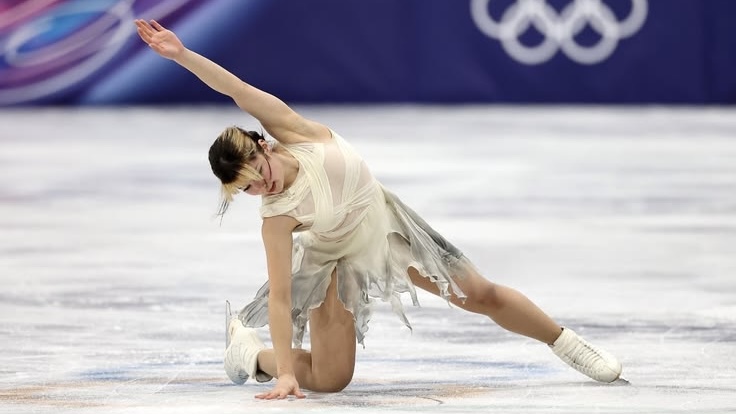
The Million-Dollar Medal: Alysa Liu’s Olympic Journey

December 25, 2025
Nancy Kerrigan’s $10 Million Legacy: Success Beyond the Ice
January 08, 2026
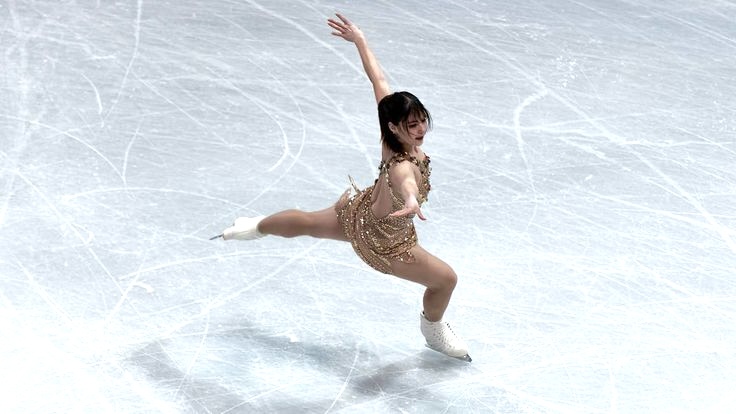
2026 U.S. Skating Nationals Results
Competition highlights, industry trends, expert opinions, and stories from athletes and artists worldwide — delivered straight to your inbox