 English
 中文 (中国)
 Español
February 19, 2026
The Million-Dollar Medal: Alysa Liu’s Olympic Journey
May 28, 2026

Many actors walk into auditions focused only on memorizing lines. However, experienced performers know preparation starts long before the first scene begins.
Acting requires fast emotional reactions, vocal control, concentration, physical awareness, and the ability to stay present under pressure. Without warming up properly, actors often appear stiff, disconnected, or emotionally flat during auditions.
Professional warm-ups help the body and mind transition into performance mode more naturally.
One of the most important warm-ups involves breathing and vocal preparation.
Stress during auditions often causes shallow breathing, tight shoulders, and tension in the jaw or throat. This can make dialogue sound forced or emotionally restricted.
Many actors therefore begin with deep diaphragmatic breathing followed by humming, lip trills, tongue twisters, and resonance exercises to relax the voice.
For example, Florence Pugh has mentioned in interviews that breathing and grounding exercises help her emotionally prepare before intense scenes. Actors often use controlled breathing not only for vocal clarity, but also to calm nervous system reactions before performing under pressure.
A useful technique is inhaling slowly for four counts, holding briefly, and exhaling longer than the inhale. This often helps reduce physical tension before auditions.
Acting is deeply physical, even in quiet scenes.
Many performers carry tension unconsciously in the neck, shoulders, hands, or hips. This stiffness can limit emotional expression and make movement appear unnatural on camera or stage.
Strong physical warm-ups usually include shoulder rolls, spine mobility, shaking exercises, stretching, and grounding work through the feet.
Some actors also walk around the room while changing tempo, posture, or emotional energy to increase body awareness before scenes.
Jenna Ortega has spoken about using physical preparation and movement work to help enter emotionally intense performances more naturally. Younger actors especially often use movement exercises to break nervous tension before filming or auditions.
One helpful exercise is slowly loosening the entire body from head to toe while breathing continuously. This often improves natural movement and reduces visible stiffness on camera.
Memorizing lines alone rarely creates believable acting.
Many coaches encourage actors to warm up emotionally through improvisation games, sensory exercises, or spontaneous reactions before auditions.
Improvisation helps actors stop overthinking and react more honestly in the moment. This becomes especially important during casting sessions where directors may suddenly change instructions or ask for adjustments.
Actors sometimes practice simple emotional transitions — such as moving from calmness to frustration or excitement — to improve emotional flexibility before scenes.
Another useful exercise is responding aloud to imaginary situations without planning the response in advance. This can strengthen spontaneity and listening skills.
Warm-ups are not only technical preparation.
They also help actors mentally separate everyday stress from performance. Many performers arrive at auditions distracted, anxious, or overly focused on getting the role.
A strong warm-up routine helps shift attention back toward creativity, concentration, and emotional connection instead of fear of judgment.
This mental transition often becomes visible immediately during auditions.
Many beginner actors search for “perfect” warm-up routines online.
However, most professional performers actually use relatively simple exercises consistently rather than constantly changing routines. Even ten to fifteen focused minutes before class or auditions can significantly improve focus and confidence.
The goal is not to perform complicated exercises perfectly — it is to become mentally and physically available for the scene.
The strongest performances often feel effortless to audiences.
But behind that natural appearance are usually small preparation rituals repeated before rehearsals, auditions, and filming days.
Breathing work, body release, vocal activation, and emotional preparation help actors become more responsive, relaxed, and emotionally connected under pressure.
Many casting directors notice immediately when an actor enters the room already physically and mentally prepared to perform.
Achieve More With VSA: Boost your skills with world-class coaches for just $29/hour. Personalized programs 24/7, 365 days a year, anywhere in the world.
By Vitalina Andrushchenko, Staff Writer
February 19, 2026
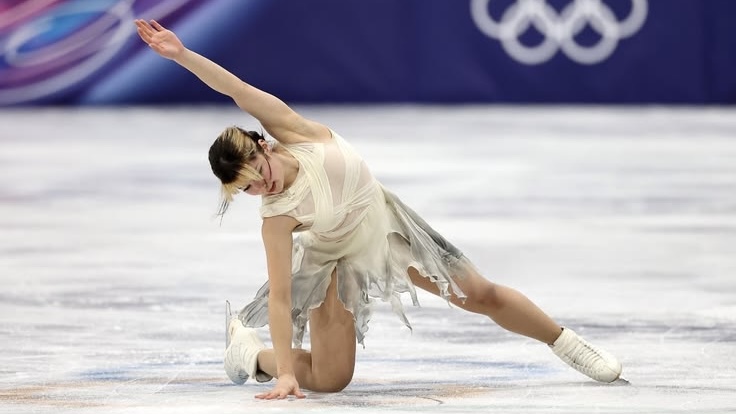
The Million-Dollar Medal: Alysa Liu’s Olympic Journey

December 25, 2025
Nancy Kerrigan’s $10 Million Legacy: Success Beyond the Ice
January 08, 2026
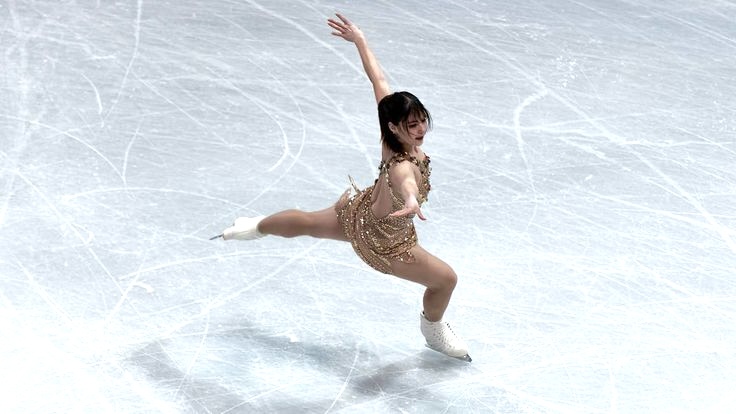
2026 U.S. Skating Nationals Results
Competition highlights, industry trends, expert opinions, and stories from athletes and artists worldwide — delivered straight to your inbox