 English
 中文 (中国)
 Español
February 19, 2026
The Million-Dollar Medal: Alysa Liu’s Olympic Journey
May 29, 2026
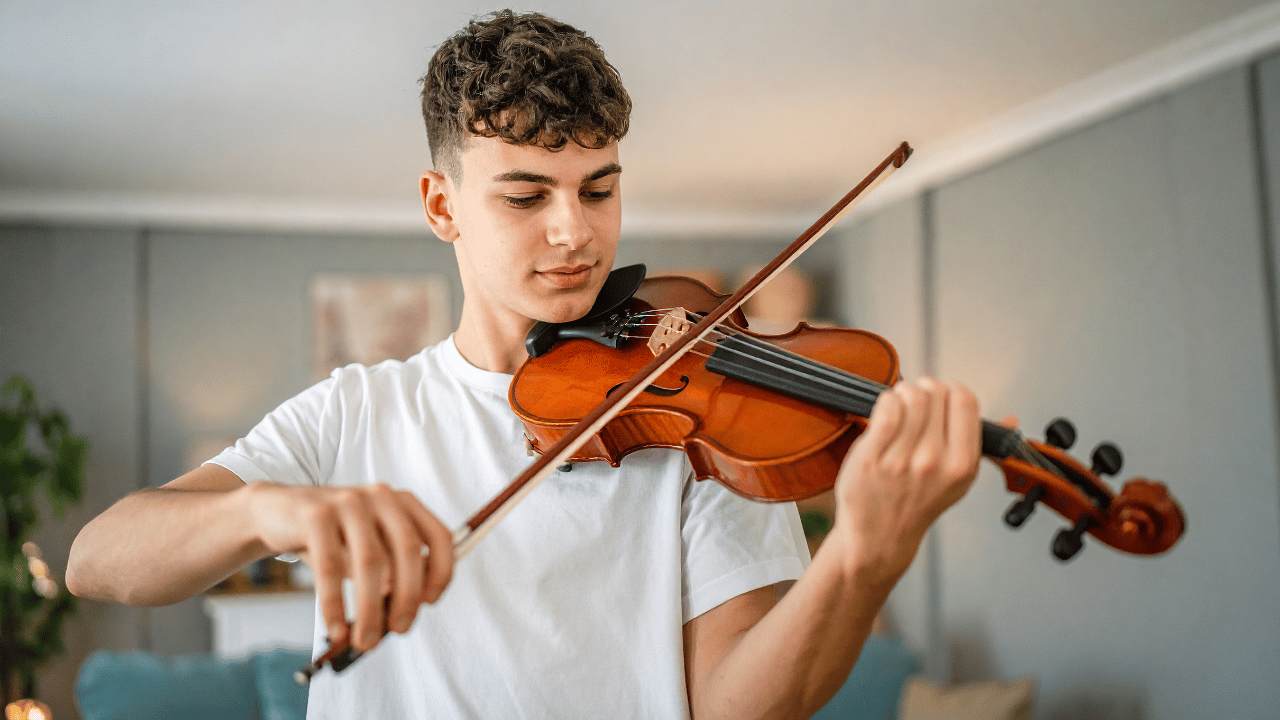
Many violinists become frustrated when their intonation feels accurate one day and unstable the next.
However, daily intonation changes are completely normal — even for highly advanced musicians. Violin playing depends on extremely small muscle adjustments, sensitive ear training, physical condition, concentration, and body coordination. Tiny variations in any of these areas can affect pitch accuracy immediately.
Unlike piano, violin has no fixed notes. Every pitch must be created and adjusted constantly in real time.
Intonation is deeply connected to the physical condition of the body.
Fatigue, muscle tightness, stress, lack of sleep, dehydration, or even cold hands can slightly change finger placement and bow control. Small tension changes in the shoulders, wrist, neck, or left hand may shift pitch accuracy without the violinist fully noticing it.
This is why some practice sessions suddenly feel “off” even when the player knows the music very well.
Many violinists assume intonation problems only come from finger placement.
In reality, listening quality also changes daily. Mental focus, hearing sensitivity, and concentration strongly affect how accurately musicians hear intervals and harmonic relationships.
On some days, the ear reacts more quickly and precisely. On other days, musicians may hear pitch inconsistencies slightly later, which affects real-time correction while playing.
Intonation is therefore both a physical and auditory skill simultaneously.
Violins are highly sensitive to environmental conditions.
Humidity, room temperature, string age, and instrument setup can slightly affect tuning stability and string response. Even tiny changes in string tension may alter how notes feel under the fingers.
This becomes especially noticeable during weather changes, long rehearsals, or performances under strong stage lighting.
Professional violinists constantly adjust intonation during performances because instruments never remain perfectly stable.
For example, Hilary Hahn has spoken about the importance of listening flexibility and constant adjustment while performing. One reason elite violinists sound so precise is not because their intonation is automatically perfect, but because they make extremely fast micro-corrections continuously during playing.
When observing advanced performers closely, an interesting detail appears: their left hand remains flexible rather than rigid. They constantly adapt finger pressure, hand position, and ear response in real time.
Excellent intonation is usually dynamic control, not frozen perfection.
Many intonation inconsistencies appear during shifts.
If the arm moves slightly too early, too late, or with excess tension, the hand may arrive above or below the correct pitch. Vibrato can sometimes temporarily hide small pitch problems as well, especially for intermediate players.
This is why many teachers recommend practicing slowly without vibrato first when correcting intonation issues.
Clear pitch center must exist before vibrato decorates the sound.
Stress strongly affects violin intonation.
During auditions, concerts, or difficult passages, many violinists unconsciously tighten muscles or rush finger placement. Fear of missing notes often creates even more instability.
Interestingly, some players practice accurately alone but struggle during performances because anxiety changes physical coordination and listening focus simultaneously.
Learning to stay calm under pressure therefore becomes part of intonation training itself.
One of the most effective ways to stabilize intonation is slow practice.
Playing slowly allows the brain and ear to analyze intervals more carefully while developing consistent muscle memory. Practicing double stops, scales, drones, and shifting exercises can help strengthen pitch awareness significantly over time.
Recording practice sessions is also extremely useful because many pitch inconsistencies become clearer when listening back objectively.
Many young violinists believe advanced musicians eventually stop worrying about intonation.
In reality, professional violinists continue refining pitch accuracy throughout their entire careers. Intonation changes constantly depending on repertoire, acoustics, ensemble playing, emotional interpretation, and instrument response.
Even elite performers continue actively listening and adjusting every note.
The best violin playing is not only technically “correct.”
Beautiful intonation also involves musical color, phrasing, harmonic sensitivity, and emotional tension. Sometimes slightly higher or lower pitch placement may even be used intentionally for expressive reasons within certain musical contexts.
This is why great violinists sound alive rather than mechanically perfect.
Intonation is ultimately a living conversation between the ear, the hands, the instrument, and the music itself.
Achieve More With VSA: Boost your skills with world-class coaches for just $29/hour. Personalized programs 24/7, 365 days a year, anywhere in the world.
By Vitalina Andrushchenko, Staff Writer
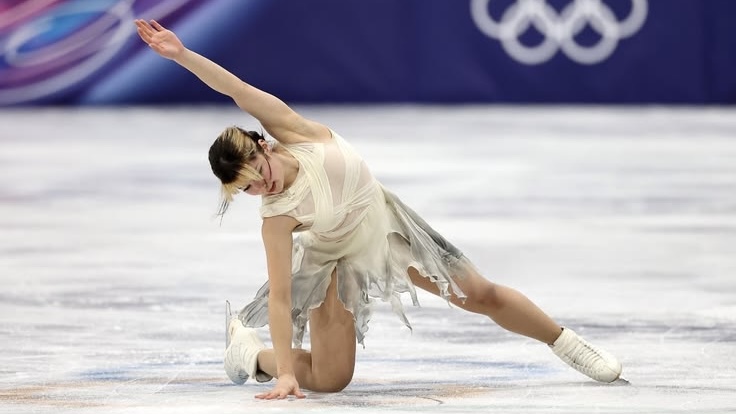
February 19, 2026
The Million-Dollar Medal: Alysa Liu’s Olympic Journey

December 25, 2025
Nancy Kerrigan’s $10 Million Legacy: Success Beyond the Ice
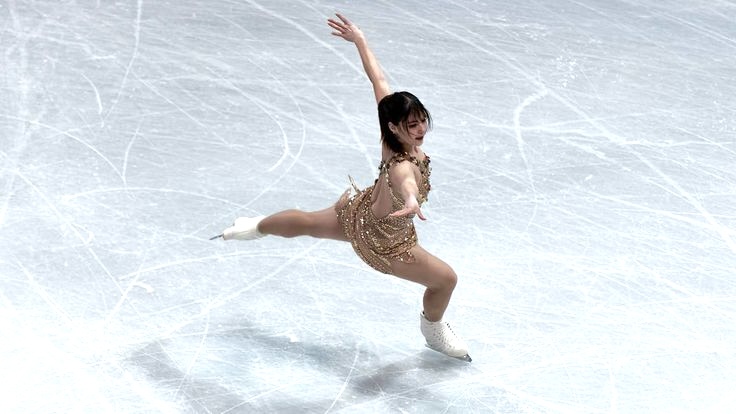
January 08, 2026
2026 U.S. Skating Nationals Results
Competition highlights, industry trends, expert opinions, and stories from athletes and artists worldwide — delivered straight to your inbox