 English
 中文 (中国)
 Español
February 19, 2026
The Million-Dollar Medal: Alysa Liu’s Olympic Journey
May 31, 2026
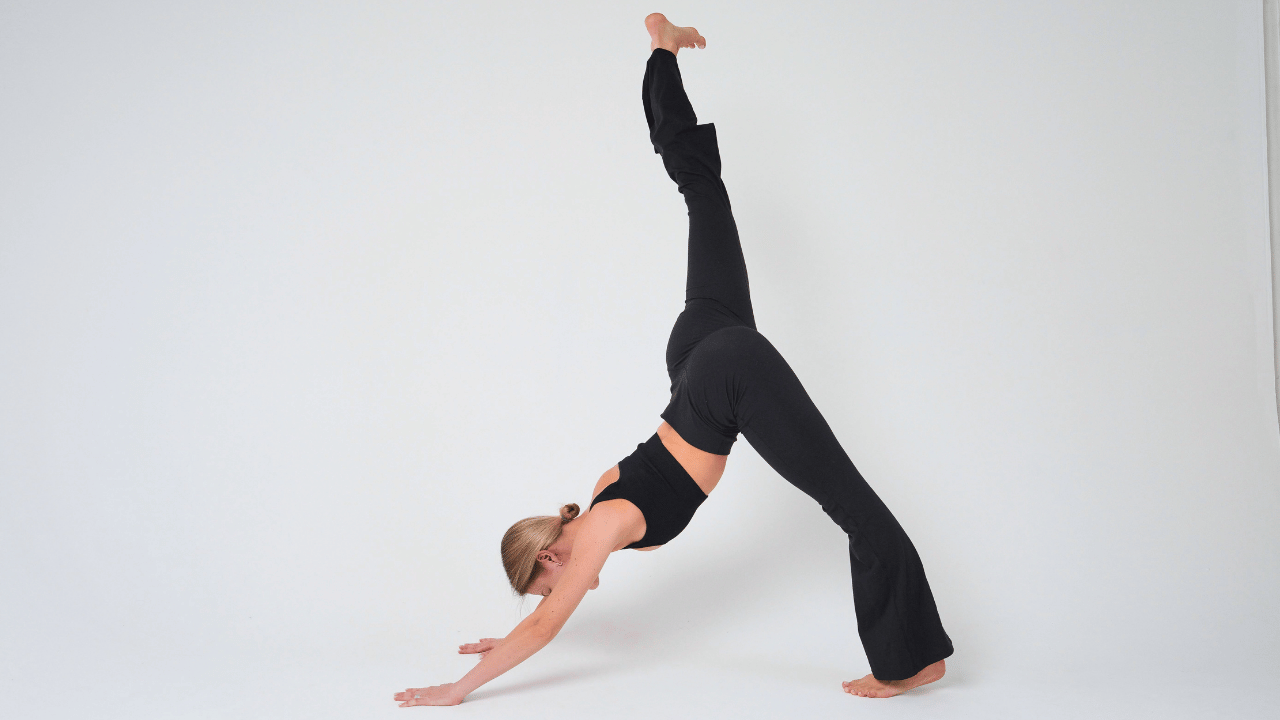
Over the last few years, mobility training has become one of the fastest-growing topics in fitness, sports, and performing arts.
Unlike traditional stretching, mobility focuses on actively controlling movement through a full range of motion. The goal is not simply to become more flexible, but to move better, reduce restrictions, and improve overall body function.
Athletes, dancers, actors, and everyday fitness enthusiasts are increasingly adding mobility work to their routines because it can improve performance while helping the body feel stronger and more efficient.
Many people use the words mobility and flexibility interchangeably, but they are not exactly the same.
Flexibility refers to how far a muscle can lengthen. Mobility refers to how well a joint can move while maintaining strength and control.
Someone may be flexible enough to perform a split but still have limited mobility if they cannot control movement effectively within that range.
This distinction has made mobility training especially popular among coaches and physical performance specialists.
One reason mobility has become so popular is that modern lifestyles often encourage long periods of sitting.
Hours spent at desks, in cars, or looking at phones can create tight hips, stiff shoulders, limited spinal movement, and poor posture. Over time, these restrictions may affect athletic performance and everyday comfort.
Mobility exercises help restore movement patterns that many people gradually lose through inactivity.
As awareness of these issues grows, more individuals are seeking ways to move better rather than simply exercise harder.
Professional athletes have played a major role in bringing mobility training into the spotlight.
Many elite performers now dedicate specific training time to joint health, movement quality, and injury prevention. Coaches increasingly view mobility as a foundation that supports strength, speed, coordination, and longevity.
This shift has influenced recreational fitness as well, making mobility one of the most discussed topics in modern training.
Mobility training is not only useful for athletes.
Actors often spend long hours filming, performing stunts, repeating scenes, or maintaining physically demanding positions. Good mobility can improve posture, body awareness, movement quality, and physical comfort during long workdays.
For example, Tom Holland has spoken about incorporating mobility work into his training, particularly while preparing for physically demanding action roles. His preparation often includes movement exercises designed to improve joint function, coordination, and overall athletic performance.
When analyzing actors who perform complex action sequences, a common pattern emerges: many prioritize movement quality as much as strength.
One reason coaches value mobility is that it can support better movement mechanics.
Athletes who move efficiently often generate force more effectively, maintain better technique, and adapt more easily to complex movements. Good mobility may also help athletes access positions that would otherwise feel restricted.
While mobility alone does not guarantee better performance, it often creates a stronger foundation for skill development.
Another reason mobility is trending is the growing focus on injury prevention.
Many training programs now emphasize movement quality alongside strength and conditioning. Restricted joints can sometimes force the body to compensate in less efficient ways, increasing stress on other areas.
Although mobility training cannot eliminate injury risk, maintaining healthy movement patterns may help reduce unnecessary strain.
Many mobility routines include exercises such as hip circles, spinal rotations, shoulder mobility drills, deep squats, controlled lunges, and dynamic stretching movements.
Unlike passive stretching, these exercises encourage active muscular engagement throughout the movement.
The goal is to build both range of motion and control simultaneously.
Many people assume they need hour-long mobility sessions to see results.
In reality, even ten to fifteen minutes of consistent mobility work several times per week can produce noticeable improvements over time.
The key is regular practice rather than occasional intense sessions.
Small improvements in movement quality often accumulate into significant long-term benefits.
The popularity of mobility training reflects a broader shift in how people think about fitness.
Rather than focusing only on appearance or performance, many individuals now value movement quality, longevity, and overall physical function.
Mobility training helps support these goals by improving how the body moves in daily life, training, and performance settings.
As more athletes, performers, and coaches continue to emphasize movement quality, mobility is likely to remain one of the most influential trends in modern fitness.
Achieve More With VSA: Boost your skills with world-class coaches for just $29/hour. Personalized programs 24/7, 365 days a year, anywhere in the world.
By Vitalina Andrushchenko, Staff Writer
February 19, 2026
The Million-Dollar Medal: Alysa Liu’s Olympic Journey

December 25, 2025
Nancy Kerrigan’s $10 Million Legacy: Success Beyond the Ice
January 08, 2026
2026 U.S. Skating Nationals Results
Competition highlights, industry trends, expert opinions, and stories from athletes and artists worldwide — delivered straight to your inbox