 English
 中文 (中国)
 Español
February 19, 2026
The Million-Dollar Medal: Alysa Liu’s Olympic Journey
June 02, 2026
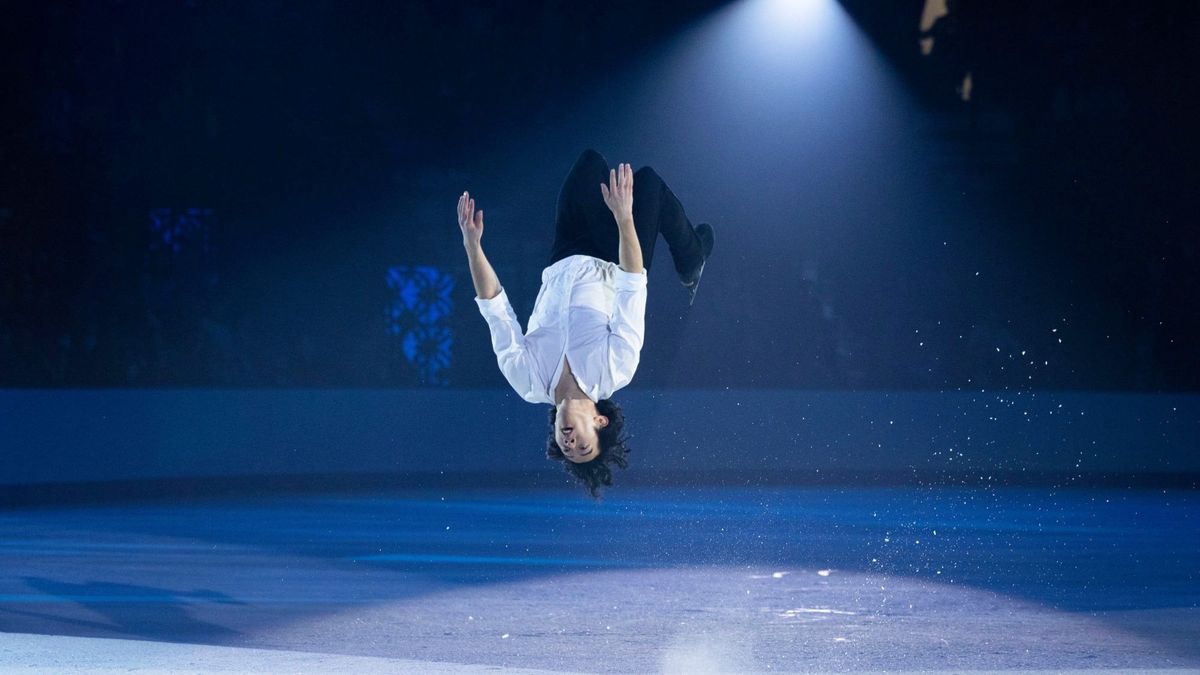
Every year, the ISU World Figure Skating Championships bring together many of the world’s best skaters. Fans often watch the final results and medal ceremonies, but the competition itself is more complex than many people realize.
Unlike some sporting events that are decided in a single performance, the World Championships require athletes to compete across multiple segments. Success depends not only on technical skill but also on consistency over several days.
Understanding the format helps fans appreciate why winning a world title is such a difficult achievement.
The ISU World Championships feature four separate disciplines:
Each discipline crowns its own world champions. Athletes compete against others in their category rather than across disciplines. Because every discipline requires different skills, preparation strategies can vary significantly between events.
For Women’s Singles, Men’s Singles, and Pairs Skating, athletes compete in:
Ice Dance follows a similar structure but uses different names:
The first segment determines who advances to the second part of the competition. Many casual viewers focus on the free skate, but the short program often plays a major role in determining final placements.
One of the most important aspects of the World Championships is qualification for the final segment.
After the Short Program or Rhythm Dance, only:
advance to the Free Skating or Free Dance.
For some athletes, simply qualifying for the final segment is already considered a significant accomplishment.
Unlike knockout tournaments, figure skating combines scores from both competition segments.
The scores earned in the Short Program or Rhythm Dance are added to the scores from the Free Skating or Free Dance.
This means a strong short program can provide an important advantage, while mistakes early in the competition can be difficult to overcome later.
World champions must perform consistently across both days rather than relying on a single great performance.
Competition is only one part of the World Championships experience.
Athletes also participate in official practice sessions throughout the week. These sessions allow skaters to adjust to the ice surface, arena environment, lighting conditions, and competition atmosphere.
Many elite skaters consider official practice nearly as important as the competition itself because it helps them establish confidence before performing.
A great example is Nathan Chen, who became known for his ability to deliver strong performances in both segments of major competitions.
When analyzing his World Championship victories, one noticeable pattern appears: he rarely depended on a single exceptional skate. Instead, he consistently built high total scores through strong performances across multiple days.
This approach reflects how the World Championships are designed. Winning usually rewards consistency, not just one outstanding moment.
Although both segments matter, the Free Skating and Free Dance often attract the most attention.
These programs are longer, contain more technical elements, and allow athletes greater artistic freedom. Because they carry more points, major changes in the standings can happen during the final segment.
Some skaters have climbed from outside the medal positions to the podium through exceptional free skates.
Others have lost medals after mistakes despite entering the final day near the top of the standings.
After the competition concludes, many World Championships include an exhibition gala or show.
Unlike competitive performances, exhibition programs allow skaters to perform with fewer technical requirements and more creative freedom. These shows often become fan favorites because athletes can display their personalities in a relaxed environment.
For new fans, figure skating scoring and competition structures can seem complicated.
However, once the format becomes clear, every segment gains importance. A small mistake in the short program, a strong free skate comeback, or a surprise qualification can dramatically affect final results.
The World Championships are not simply about who skates best once. They are about who can perform at the highest level consistently throughout an entire week of pressure, preparation, and competition.
Source: article on isu-skating.com, published May 26, 2026.
Achieve More With VSA: Boost your skills with world-class coaches for just $29/hour. Personalized programs 24/7, 365 days a year, anywhere in the world.
By Vitalina Andrushchenko, Staff Writer
February 19, 2026
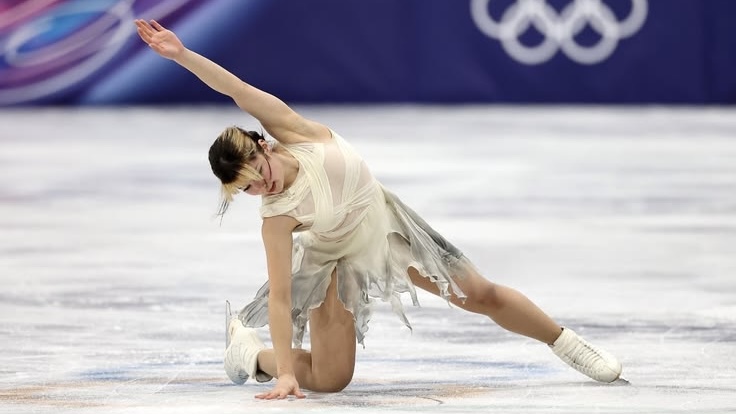
The Million-Dollar Medal: Alysa Liu’s Olympic Journey

December 25, 2025
Nancy Kerrigan’s $10 Million Legacy: Success Beyond the Ice
January 08, 2026
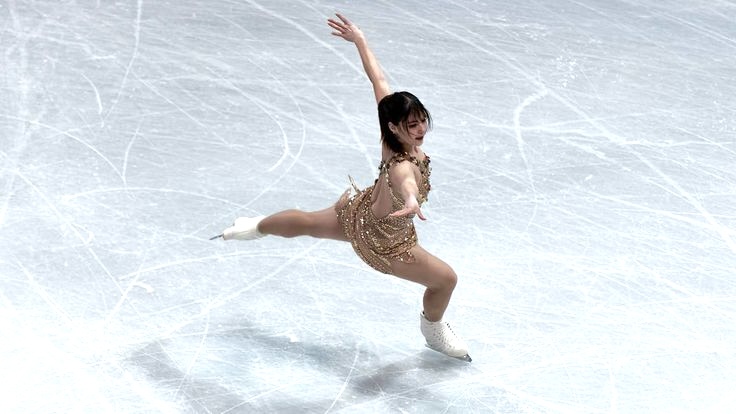
2026 U.S. Skating Nationals Results
Competition highlights, industry trends, expert opinions, and stories from athletes and artists worldwide — delivered straight to your inbox