 English
 中文 (中国)
 Español
February 19, 2026
The Million-Dollar Medal: Alysa Liu’s Olympic Journey
June 05, 2026

One of the most common questions adult beginners ask is whether they are too old to learn the violin.
The answer is simple: no.
While many professional violinists begin training as children, adults can successfully learn the instrument and make significant progress. In fact, adult learners often have advantages that younger students do not, including stronger self-discipline, clearer goals, and better time-management skills.
The journey may look different from that of a child prodigy, but it can be just as rewarding.
Many new adult violinists are surprised by how different the violin feels compared to other instruments.
Unlike a piano, where pressing a key immediately produces the correct pitch, the violin requires players to find notes without frets or markers. At first, producing a clear and in-tune sound can be difficult.
This stage is completely normal.
Most beginners spend the first months developing basic bow control, posture, hand position, and intonation before moving on to more advanced music.
One of the biggest challenges for adult violinists is intonation.
Because the violin fingerboard has no frets, players must train their ears and muscles to find the correct pitch consistently.
Many beginners worry when notes sound out of tune. However, developing accurate intonation is a gradual process that continues even for advanced players.
Patience and consistent practice are essential.
Adult learners often expect steady improvement every week.
In reality, violin progress tends to come in waves. Some weeks may bring noticeable breakthroughs, while others feel slower.
A difficult technique might seem impossible one day and suddenly feel natural several weeks later.
Understanding this pattern can help adult students stay motivated during temporary plateaus.
A valuable lesson comes from Hilary Hahn, one of the most respected violinists in the world.
Throughout interviews and educational projects, Hahn has often emphasized that learning the violin is a continuous process, even for professionals. She regularly shares practice insights and discusses refining fundamental skills rather than chasing perfection.
Her approach highlights an important truth: violin mastery is built through consistent improvement rather than instant results.
For adult beginners, this mindset can make the learning process much more enjoyable.
Many adults believe they need several hours a day to improve.
In reality, focused practice is usually more effective than simply spending long periods with the instrument.
A consistent 20–30 minutes of concentrated daily practice often produces better results than several hours once a week.
The key is regular repetition and mindful attention to technique.
Learning violin involves developing new physical habits.
Adult beginners may initially experience tension in the shoulders, neck, hands, or jaw. This often happens because the body is adapting to unfamiliar movements.
Good teachers encourage relaxation, proper posture, and efficient movement from the beginning.
Developing healthy habits early can make learning easier and more comfortable.
Unlike children, adults usually enjoy understanding why techniques work.
Many adult students appreciate learning about music theory, rhythm, practice strategies, and the mechanics of sound production.
This analytical approach can accelerate certain aspects of learning and help students solve problems independently.
At some point, many adult learners consider performing for others.
Whether it is a recital, lesson performance, or simply playing for family and friends, performing often feels challenging at first.
However, performance experience is an important part of musical growth. It teaches confidence, concentration, and how to continue playing despite nerves.
Most musicians improve significantly once they begin sharing their music with others.
Adults sometimes compare themselves to professional violinists or talented children online.
This comparison can create unrealistic expectations.
Learning violin is a long-term skill that develops gradually. Small achievements—playing a simple melody beautifully, improving tone quality, or mastering a new rhythm—are meaningful signs of progress.
Success should be measured against your own previous abilities, not someone else’s.
Learning violin offers benefits beyond technical skills.
Many adults find that practicing helps improve focus, patience, discipline, and stress management. Others enjoy the social connections that come through lessons, ensembles, and musical communities.
The violin can become both a creative outlet and a lifelong learning experience.
The most important thing adult beginners should know is that progress is possible at any age.
The goal does not have to be becoming a concert soloist. For many people, the joy comes from learning new skills, expressing themselves through music, and enjoying the process.
Every skilled violinist was once a beginner.
The best time to start may not have been years ago—the best time can be today.
Achieve More With VSA: Boost your skills with world-class coaches for just $29/hour. Personalized programs 24/7, 365 days a year, anywhere in the world.
By Vitalina Andrushchenko, Staff Writer
February 19, 2026
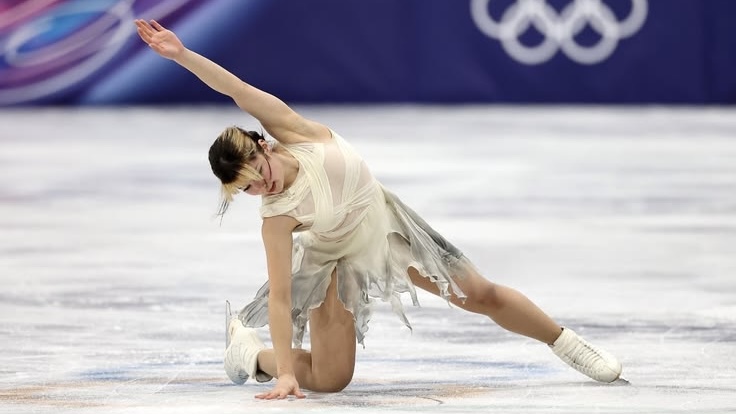
The Million-Dollar Medal: Alysa Liu’s Olympic Journey

December 25, 2025
Nancy Kerrigan’s $10 Million Legacy: Success Beyond the Ice
January 08, 2026
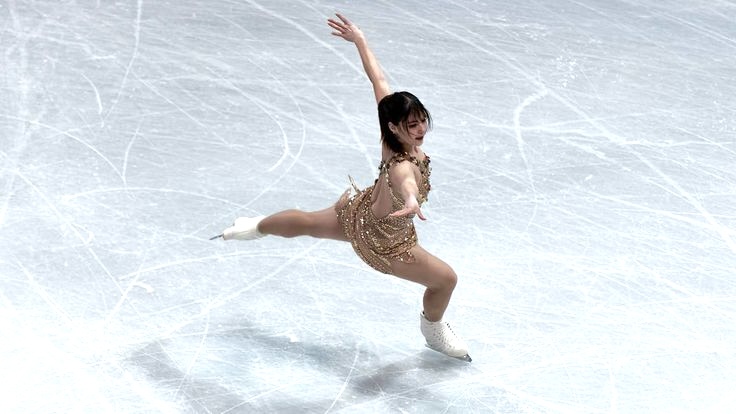
2026 U.S. Skating Nationals Results
Competition highlights, industry trends, expert opinions, and stories from athletes and artists worldwide — delivered straight to your inbox