 English
 中文 (中国)
 Español
February 19, 2026
The Million-Dollar Medal: Alysa Liu’s Olympic Journey
June 06, 2026
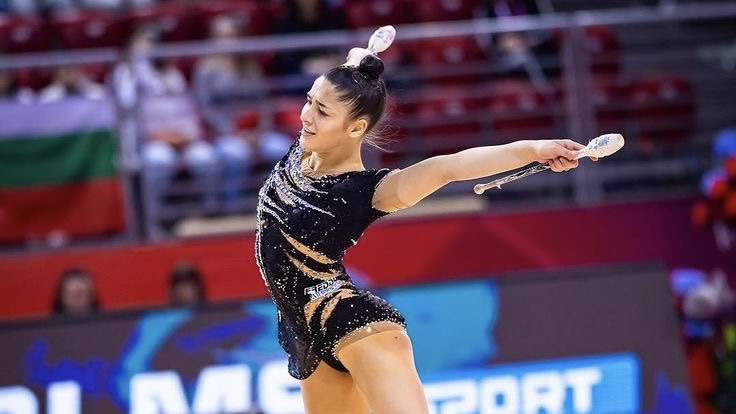
One of the reasons rhythmic gymnastics captivates audiences is that the hardest skills often look easy.
Elite gymnasts perform complex throws, balances, pivots, and catches with such precision that spectators may not realize how much training is required. Behind every seemingly effortless movement are thousands of repetitions and years of technical development.
Some skills are so challenging that even experienced gymnasts spend years trying to master them.
Here are three rhythmic gymnastics skills that often appear impossible to beginners.
At first glance, a pivot may seem simple: stand on one foot and turn.
In reality, high-level pivots are among the most technically demanding elements in rhythmic gymnastics.
Elite athletes can perform multiple rotations while maintaining perfect body alignment, balance, and speed. A small mistake in posture, core engagement, or foot placement can immediately throw the gymnast off balance.
The challenge becomes even greater when the gymnast performs the pivot while handling apparatus such as a ribbon, hoop, ball, clubs, or rope.
A strong example is Sofia Raffaeli.
One of her strengths is the remarkable control she demonstrates during difficult pivot combinations. When analyzing her routines, it is noticeable how consistently she maintains body alignment throughout multiple rotations while keeping her apparatus synchronized with the music.
Her technique highlights an important principle: successful pivots rely on stability and precision rather than simply turning faster.
Few skills create as much excitement as a massive apparatus throw.
In advanced routines, gymnasts may launch the apparatus high into the air and perform several body difficulties before catching it again.
The most difficult version involves blind catches, where the gymnast cannot directly see the apparatus during the catch.
This requires exceptional spatial awareness, timing, and confidence.
A gymnast must calculate the trajectory of the apparatus while simultaneously focusing on leaps, turns, or acrobatic movements.
The apparatus rarely behaves exactly the same way twice.
Air movement, release angle, rotation speed, and body position can all affect the flight path.
This means gymnasts must constantly make small adjustments rather than relying on a fixed movement pattern.
The ability to catch an apparatus without looking often comes from years of developing instinctive timing.
Ring leaps are among the most visually spectacular elements in rhythmic gymnastics.
In this skill, the gymnast jumps while arching the back and bringing the foot toward the head, creating a ring-like shape with the body.
While the position may look elegant, achieving it requires a combination of flexibility, strength, power, coordination, and technique.
Many athletes can develop flexibility, but maintaining correct body positions while airborne is a completely different challenge.
A great example is Daria Atamanov.
Her leap technique is often praised for its amplitude and body shape. When watching her performances, it becomes clear that flexibility alone does not create beautiful leaps. She generates strong height from the floor, maintains control in the air, and finishes the movement cleanly.
This combination of power and flexibility is what separates elite execution from average execution.
These elements are not performed simply because they look impressive.
Under the Code of Points, difficult body elements and apparatus difficulties contribute significantly to a gymnast’s score.
Athletes and coaches carefully select skills that maximize both difficulty value and execution quality.
The challenge is finding a balance between ambition and consistency.
Many beginners watch elite rhythmic gymnasts and assume certain skills are impossible.
In reality, most elite athletes learned these elements step by step.
A multiple pivot begins with a single turn. A huge throw begins with learning proper release technique. A ring leap starts with years of flexibility and strength development.
What looks impossible on competition day is usually the result of thousands of hours of practice behind the scenes.
Rhythmic gymnastics combines artistry with extraordinary athletic ability.
Multiple pivots, blind catches, and ring leaps are just a few examples of skills that showcase the sport’s unique blend of coordination, flexibility, strength, and precision.
For young gymnasts, these elements can seem unreachable at first. However, every world-class athlete once started with basic skills and gradually built the foundation needed for elite performance.
The skills may look impossible—but they are often the product of patience, discipline, and years of dedicated training.
Achieve More With VSA: Boost your skills with world-class coaches for just $29/hour. Personalized programs 24/7, 365 days a year, anywhere in the world.
By Vitalina Andrushchenko, Staff Writer
February 19, 2026
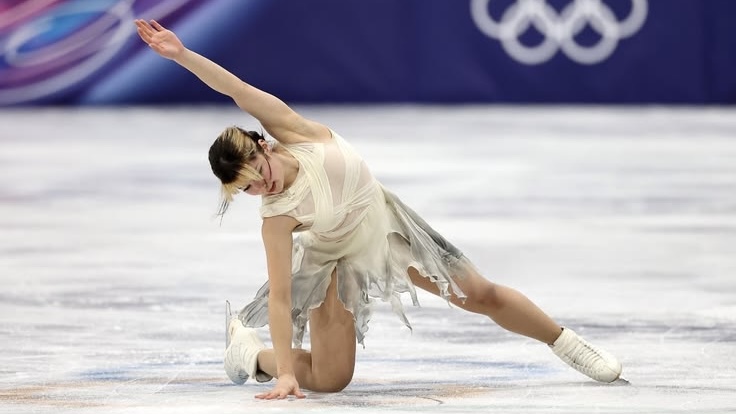
The Million-Dollar Medal: Alysa Liu’s Olympic Journey

December 25, 2025
Nancy Kerrigan’s $10 Million Legacy: Success Beyond the Ice
January 08, 2026
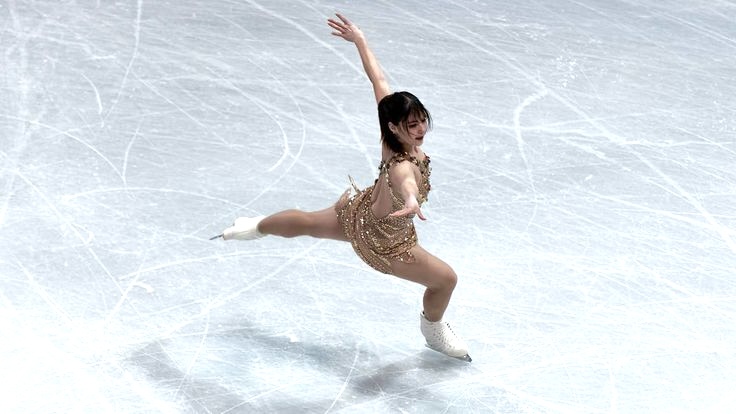
2026 U.S. Skating Nationals Results
Competition highlights, industry trends, expert opinions, and stories from athletes and artists worldwide — delivered straight to your inbox