 English
 中文 (中国)
 Español
February 19, 2026
The Million-Dollar Medal: Alysa Liu’s Olympic Journey
June 18, 2026

Almost every musician experiences performance anxiety at some point. Whether performing in a small recital, an orchestra concert, an audition, or a competition, it is completely normal to feel nervous before stepping onto the stage.
Performance anxiety occurs because the brain recognizes the performance as an important event. The body responds by releasing stress hormones that increase heart rate, breathing speed, and alertness. While these reactions are designed to help us respond to challenges, they can sometimes make musicians feel uncomfortable or distracted.
Interestingly, many world-class performers continue to experience nervousness before important performances. The goal is not to eliminate nerves completely but to learn how to manage them effectively.
One reason performance anxiety feels overwhelming is that musicians often interpret physical sensations as a sign that something is wrong.
A racing heart, sweaty hands, and increased energy can feel unpleasant, but these symptoms are very similar to excitement. Research has shown that reframing nervousness as excitement can improve performance quality.
Instead of thinking, “I am nervous,” musicians can practice thinking, “I am excited and ready to perform.” This small shift can change how the brain interprets the situation.
One of the most effective ways to reduce anxiety is thorough preparation.
When musicians know their repertoire deeply, they feel more secure under pressure. Preparation means more than simply playing a piece repeatedly. It includes understanding musical structure, practicing difficult passages separately, memorizing transitions, and performing the piece in different conditions.
Confidence grows when preparation becomes consistent and deliberate.
Many musicians spend hours practicing alone but rarely simulate performance conditions.
Performing for family members, friends, teachers, or even recording yourself can help the brain become familiar with pressure. The more often musicians experience performance-like situations, the less threatening they feel.
Small performance opportunities build valuable confidence over time.
Anxiety often increases when musicians focus on being judged.
Instead of concentrating on audience reactions, mistakes, or possible outcomes, performers should focus on communicating the music.
When attention shifts toward musical expression, phrasing, dynamics, and storytelling, anxiety often becomes less powerful.
The audience usually remembers the emotional impact of a performance far more than minor technical imperfections.
Breathing directly influences the body’s stress response.
Before a performance, slow and controlled breathing can help reduce physical tension and create a greater sense of control.
Many musicians find that focusing on long, steady breaths before walking on stage helps calm their thoughts and improve concentration.
Breathing techniques are simple, but they can be remarkably effective.
One of the biggest fears musicians face is making mistakes.
In reality, even professional performers make occasional errors. What separates experienced musicians is their ability to continue performing confidently afterward.
Most audience members do not notice every mistake. Even when they do, they are usually far more interested in the overall musical experience.
Learning to move forward after small errors is an essential performance skill.
Many successful musicians follow a routine before performances.
A consistent routine may include a short warm-up, light stretching, breathing exercises, positive self-talk, and mental visualization of a successful performance.
These habits create familiarity and help the mind transition into performance mode.
Over time, a routine can become a powerful tool for reducing anxiety.
Musicians sometimes believe that confident performers are simply born fearless.
In reality, confidence usually develops through experience.
Each recital, audition, competition, and concert teaches valuable lessons. As musicians gain more performance experience, they learn that nervousness is manageable and that they can perform well despite feeling anxious.
Growth comes from performing, not from waiting until fear disappears.
Performance anxiety is a normal part of being a musician.
Rather than trying to eliminate nerves completely, musicians can learn to work with them. Preparation, breathing, performance practice, positive thinking, and experience all help transform anxiety into productive energy.
The most successful performers are not necessarily those who never feel nervous. They are the ones who step onto the stage anyway and allow their love of music to be stronger than their fear.
Achieve More With VSA: Boost your skills with world-class coaches for just $29/hour. Personalized programs 24/7, 365 days a year, anywhere in the world.
By Vitalina Andrushchenko, Staff Writer
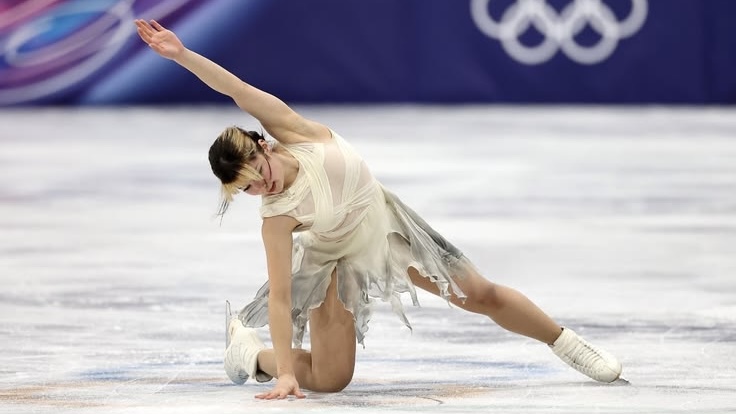
February 19, 2026
The Million-Dollar Medal: Alysa Liu’s Olympic Journey

December 25, 2025
Nancy Kerrigan’s $10 Million Legacy: Success Beyond the Ice
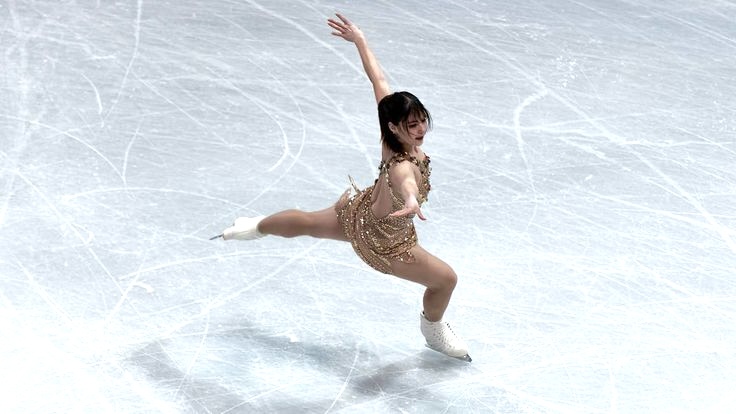
January 08, 2026
2026 U.S. Skating Nationals Results
Competition highlights, industry trends, expert opinions, and stories from athletes and artists worldwide — delivered straight to your inbox