 English
 中文 (中国)
 Español
February 19, 2026
The Million-Dollar Medal: Alysa Liu’s Olympic Journey
June 26, 2026
Many actors believe the audition starts when they say their first line. In reality, casting directors often begin forming their first impression the moment an actor walks into the room or appears on screen for a self-tape.
Before hearing a single word, they may already notice posture, confidence, professionalism, and whether the actor naturally fits the character description. These observations do not determine the final decision on their own, but they can influence how the performance is perceived.
Experienced casting professionals often evaluate the complete package, not just the dialogue.
How you enter the room communicates more than many actors realize.
Walking in calmly, making natural eye contact, and appearing comfortable suggests confidence and preparation. Rushing, apologizing immediately, or appearing visibly distracted can unintentionally shift attention away from the performance itself.
Casting directors understand that auditions are stressful, but they also look for actors who can quickly settle into the environment.
Body language is one of the strongest forms of nonverbal communication.
Simple habits such as standing with balanced posture, avoiding excessive fidgeting, keeping relaxed shoulders, and making purposeful movements often create a stronger first impression than actors expect.
Research in psychology has shown that people begin forming impressions within seconds of meeting someone. While those first impressions can change, confident and authentic body language helps establish trust from the beginning.
Actors do not need expensive clothing or elaborate costumes for auditions.
Instead, casting directors usually prefer simple wardrobe choices that subtly suggest the character without becoming distracting.
Neutral colors, clean clothing, and appropriate styling help directors imagine the actor in the role more easily.
The goal is to support the character rather than compete with it.
Professional behavior often becomes apparent before introductions even begin.
Being prepared with necessary materials, following instructions, arriving on time for in-person auditions, or setting up a clean background and good lighting for self-tapes all demonstrate reliability.
Casting directors frequently work under tight schedules and appreciate actors who make the audition process efficient.
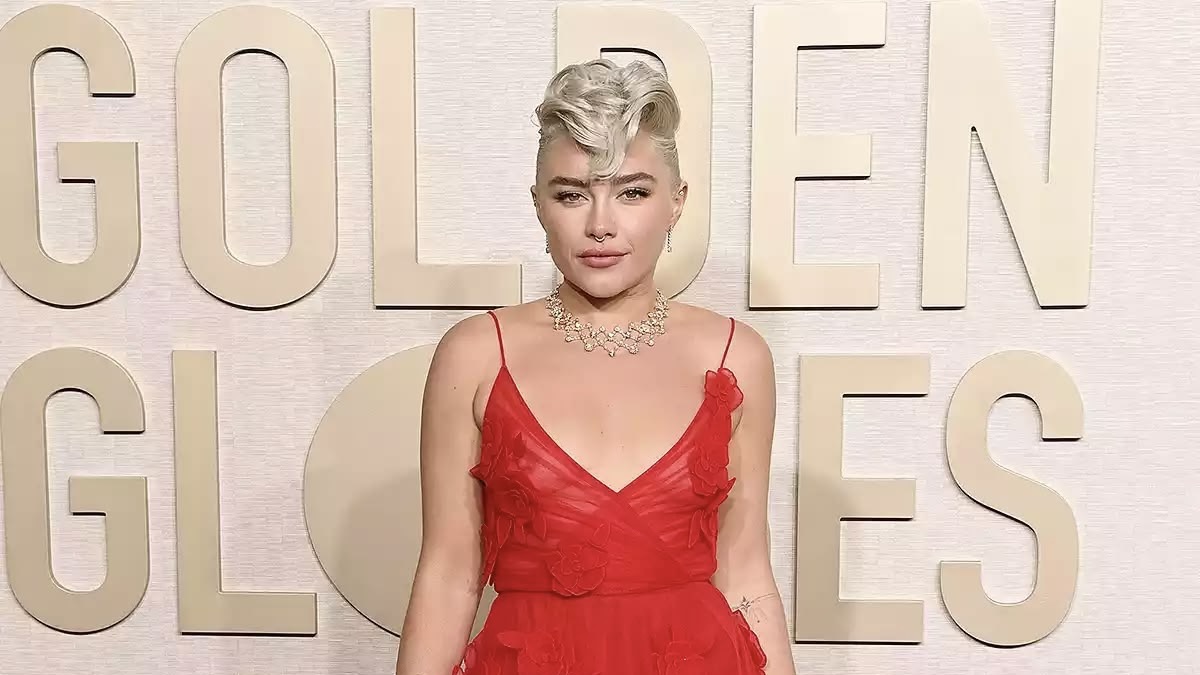
Florence Pugh has spoken in interviews about the importance of authenticity during auditions rather than trying to imitate what she believes casting directors want.
One quality often noted by directors is her natural screen presence from the very beginning of a scene. Even before delivering emotionally complex dialogue, she appears fully committed to the character through relaxed posture, focused attention, and believable reactions.
Her performances demonstrate that strong acting frequently starts long before the first spoken line. The ability to communicate personality and emotion through presence alone is one reason she has been cast in a wide range of dramatic and commercial projects.
Casting directors also observe how actors listen.
During adjustments or conversations, they notice whether performers remain engaged, maintain focus, and respond thoughtfully instead of waiting impatiently to perform.
Strong listening skills suggest an actor will collaborate well with directors and fellow cast members on set.
Trying too hard to appear confident can sometimes have the opposite effect.
Exaggerated gestures, forced smiles, or unnatural energy may distract from genuine performance.
Most casting directors appreciate actors who appear relaxed, attentive, and authentic.
Confidence is often communicated through simplicity rather than performance.
The same principles apply when submitting self-taped auditions.
Casting directors immediately notice framing, lighting, sound quality, eye line, and overall presentation.
A clear image and distraction-free environment allow the focus to remain on the acting instead of technical issues.
Simple, professional production quality often makes a stronger impression than overly elaborate editing.
Before an actor speaks, casting directors have already observed dozens of small details.
Body language, professionalism, preparation, appearance, and authentic presence all contribute to the first impression.
Although talent ultimately determines success, presenting yourself with confidence, focus, and professionalism gives your performance the strongest possible beginning before the first line is ever delivered.
Achieve More With VSA: Boost your skills with world-class coaches for just $29/hour. Personalized programs 24/7, 365 days a year, anywhere in the world.
By Vitalina Andrushchenko, Staff Writer
February 19, 2026
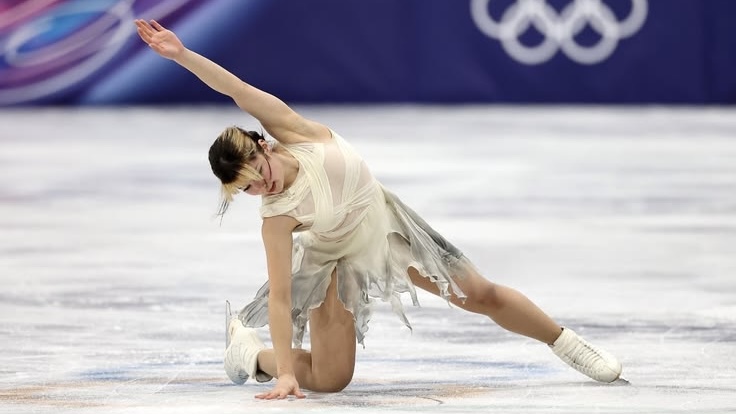
The Million-Dollar Medal: Alysa Liu’s Olympic Journey
January 08, 2026
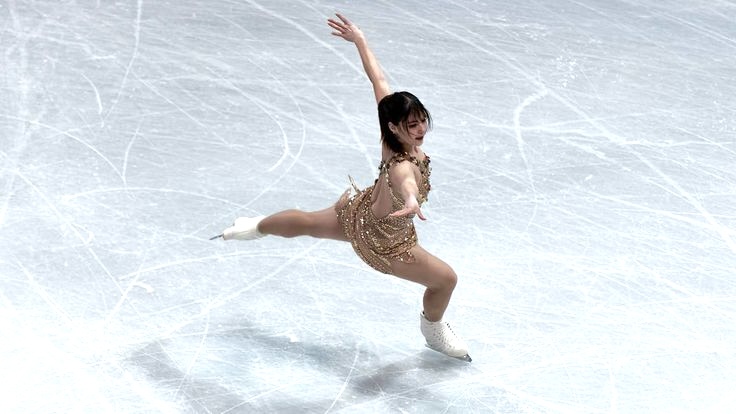
2026 U.S. Skating Nationals Results

February 21, 2026
A Guide to Rhythmic Gymnastics Apparatus
Competition highlights, industry trends, expert opinions, and stories from athletes and artists worldwide — delivered straight to your inbox