
 English
 中文 (中国)
 Español
February 19, 2026
The Million-Dollar Medal: Alysa Liu’s Olympic Journey
June 27, 2026

The 2026 FIG Rhythmic Gymnastics World Challenge Cup series concludes in Cluj-Napoca, Romania, from June 26–28. While it may not carry the same prestige as the World Championships or Olympic Games, this competition plays an important role in the international season.
For many gymnasts, it is the final opportunity to test routines under competition conditions before the 2026 World Championships in August. Athletes can earn World Challenge Cup ranking points, prize money, and valuable international experience while making final adjustments to their performances.
The FIG World Challenge Cup is an annual international series organized by the International Gymnastics Federation (FIG).
Unlike the World Cup series, the World Challenge Cup focuses primarily on apparatus finals and all-around competition while allowing gymnasts to compete against strong international fields throughout the season. Each event awards ranking points, and athletes accumulate these results across the series to determine the overall standings.
The series also allows coaches to evaluate new routines before the most important competitions of the year.
One of the biggest stars in Cluj-Napoca is Germany’s Olympic, World, and European champion, Darja Varfolomeev.
After dominating international rhythmic gymnastics over the past few seasons, she enters the competition as one of the clear favorites for the all-around title. Known for her exceptional flexibility, clean execution, and remarkable consistency, Varfolomeev has become one of the sport’s most complete athletes.
Her performances are expected to draw significant attention as fans look ahead to the upcoming World Championships.
The competition field remains extremely strong despite several leading athletes preparing directly for Worlds.
Uzbekistan’s Takhmina Ikromova arrives in Romania after an outstanding Asian Championships, where she captured all five available gold medals. Ukraine’s Taisiia Onofriichuk continues to impress after introducing new Ball and Ribbon routines this season, making her one of the most interesting gymnasts to watch.
Russia’s Mariia Borisova, winner of the Tashkent World Cup all-around title, will also aim for another major victory, while teammate Eva Kononova has already demonstrated excellent apparatus work by winning Hoop gold earlier this season.
Several other experienced competitors, including Daniela Munits, Liliana Lewinska, and Vera Tugolukova, also have realistic medal ambitions.
Although the World Championships remain the season’s biggest goal, smaller international competitions provide invaluable competitive experience.
Gymnasts have the opportunity to test new choreography, evaluate execution scores, improve apparatus handling, and adjust routines based on judges’ feedback.
Many athletes intentionally debut upgraded routines during Challenge Cup events before presenting fully polished versions at the World Championships.
For coaches, these competitions offer important information about consistency under pressure.
The group competition promises to be especially unpredictable.
Since none of the participating groups competed at both previous World Challenge Cup events this season, the overall series standings remain open.
Teams representing Russia, Germany, Israel, Ukraine, and Uzbekistan are expected to battle for medals in both the all-around and apparatus finals.
The event could provide an early indication of which nations may become major contenders later this summer.
The FIG World Challenge Cup series often serves as a testing ground for new technical combinations before major championships.
Coaches sometimes introduce upgraded apparatus difficulties, modified choreography, or new artistic elements during these competitions to see how they score internationally before finalizing routines for the World Championships.
This makes Challenge Cup events particularly interesting for fans who enjoy following the technical evolution of the sport.
(Source: FIG Rhythmic Gymnastics competition format)
As the final World Challenge Cup of 2026, Cluj-Napoca represents more than another medal opportunity.
Every routine, every score, and every performance provides valuable information ahead of the World Championships, where the world’s best rhythmic gymnasts will compete for the season’s biggest titles.
Strong performances in Romania could provide momentum, confidence, and important technical feedback before the sport’s most important competition of the year.
The Cluj-Napoca World Challenge Cup may be the last stop before the World Championships, but its importance extends far beyond one weekend of competition.
With Olympic champion Darja Varfolomeev leading a talented international field, rising stars challenging established champions, and national teams refining their routines, the event offers an exciting preview of what rhythmic gymnastics fans can expect later this summer.
Achieve More With VSA: Boost your skills with world-class coaches for just $29/hour. Personalized programs 24/7, 365 days a year, anywhere in the world.
By Vitalina Andrushchenko, Staff Writer
February 19, 2026
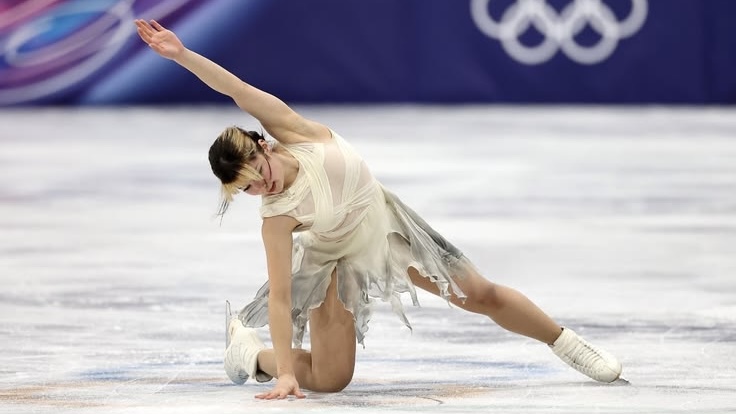
The Million-Dollar Medal: Alysa Liu’s Olympic Journey

January 08, 2026
2026 U.S. Skating Nationals Results

February 21, 2026
A Guide to Rhythmic Gymnastics Apparatus
Competition highlights, industry trends, expert opinions, and stories from athletes and artists worldwide — delivered straight to your inbox