 English
 中文 (中国)
 Español
July 29, 2026
5 Skills Named After Olympic Gymnasts
June 28, 2026
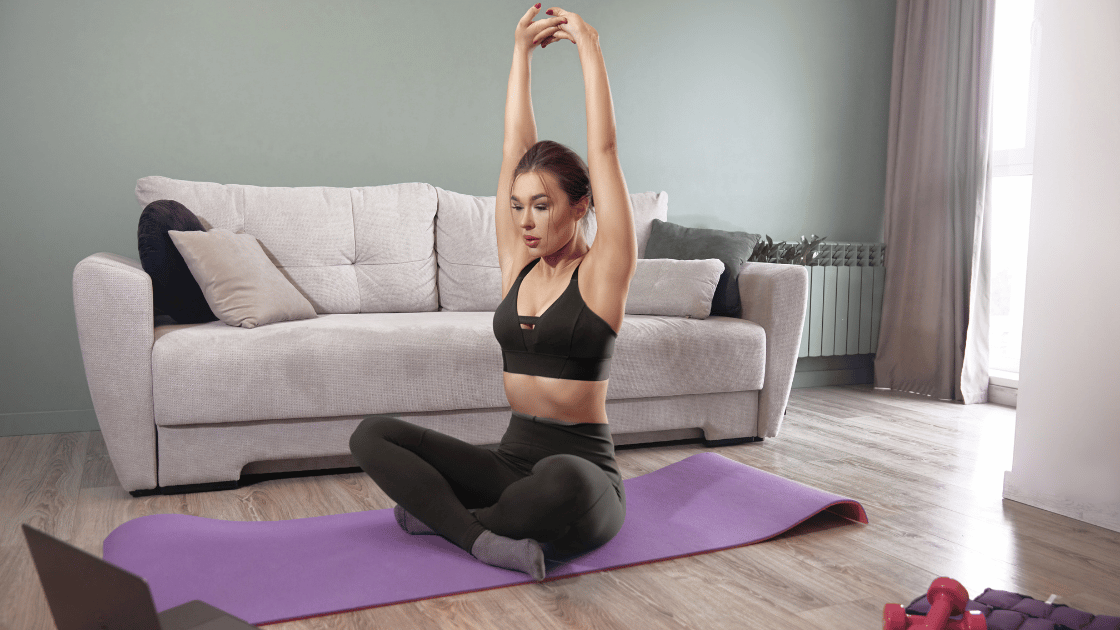
Many adults believe that flexibility can only be developed during childhood. While children often gain flexibility more quickly because their bodies are still growing, research shows that adults can make significant improvements in range of motion with consistent training.
Age may influence how quickly flexibility develops, but it does not determine whether improvement is possible. The body continues to adapt throughout life when it is given the right type of movement and enough recovery time.
Many people think tight muscles are the only reason they cannot stretch further.
In reality, flexibility depends on several factors, including joint structure, muscle elasticity, connective tissue, strength, and the nervous system. One of the biggest limitations is the brain’s protective response.
When your nervous system believes a position is unsafe, it signals the muscles to contract in order to prevent injury. As your body becomes more familiar with a movement through gradual training, this protective response often decreases, allowing greater range of motion.
(Source: American College of Sports Medicine)
One long stretching session each week is generally less effective than shorter sessions performed consistently.
Many flexibility specialists recommend stretching three to five times per week. Even 10 to 20 minutes of focused stretching can produce measurable improvements over time.
Regular practice allows the body to adapt gradually while reducing excessive soreness.
Flexibility is not simply about stretching.
Modern mobility training emphasizes active flexibility, meaning the ability to control your body throughout its full range of motion.
Strengthening muscles at the end of their range improves stability and allows the body to safely use its new flexibility.
This is why dancers, gymnasts, martial artists, and elite athletes spend significant time building strength alongside stretching.
Some adults notice improvements within a few weeks, while others require several months.
Genetics, previous injuries, activity level, hydration, sleep quality, and training history all influence how quickly flexibility develops.
Comparing yourself with someone else is rarely helpful because everyone’s starting point is different.
Scientific studies have shown that improvements in flexibility often occur because the nervous system gradually becomes more tolerant of a stretch, not simply because muscles physically become longer.
This process is known as increased stretch tolerance and explains why regular practice can lead to noticeable improvements even without major structural changes in muscle tissue.
(Source: Journal of Strength and Conditioning Research)
One common mistake is stretching too aggressively every session.
Pain does not equal progress. Stretching should create moderate tension rather than sharp discomfort.
Another mistake is neglecting warm-ups. Muscles generally respond better to stretching after light activity increases blood flow.
Many adults also become discouraged by slow progress and stop training before meaningful adaptations occur.
A balanced flexibility routine includes dynamic mobility exercises before activity, static stretching after training, strength exercises through a full range of motion, controlled breathing, gradual progression, and adequate recovery between sessions.
Good sleep, hydration, and regular physical activity also support healthy connective tissue and muscle recovery.
Improving flexibility may enhance posture, movement efficiency, balance, and overall comfort during daily activities.
For athletes, greater mobility can improve movement quality and make certain skills easier to perform.
Although flexibility alone does not prevent injuries, balanced mobility combined with strength helps the body move more efficiently.
Becoming flexible as an adult is absolutely possible.
The process requires patience, consistency, and smart training rather than extreme stretching.
By combining mobility work, strength training, gradual progression, and regular practice, adults can continue improving flexibility for many years.
The goal is not to achieve perfect splits overnight, but to build healthier, stronger, and more comfortable movement that supports everyday life and athletic performance.
Achieve More With VSA: Boost your skills with world-class coaches for just $29/hour. Personalized programs 24/7, 365 days a year, anywhere in the world.
By Vitalina Andrushchenko, Staff Writer
July 29, 2026
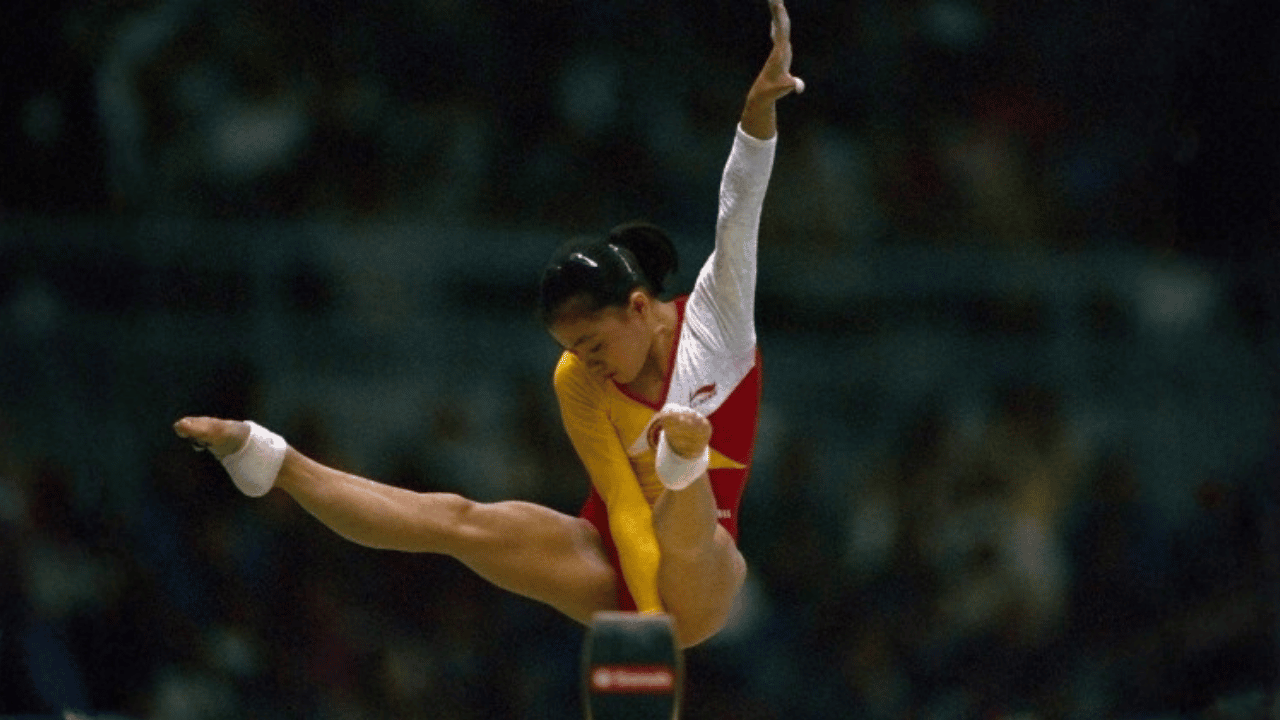
5 Skills Named After Olympic Gymnasts

May 24, 2026
How to Improve Toe Point in Ballet

April 28, 2026
5 Ways to Hold Spin Positions Longer
Competition highlights, industry trends, expert opinions, and stories from athletes and artists worldwide — delivered straight to your inbox