 English
 中文 (中国)
 Español
February 19, 2026
The Million-Dollar Medal: Alysa Liu’s Olympic Journey
July 05, 2026
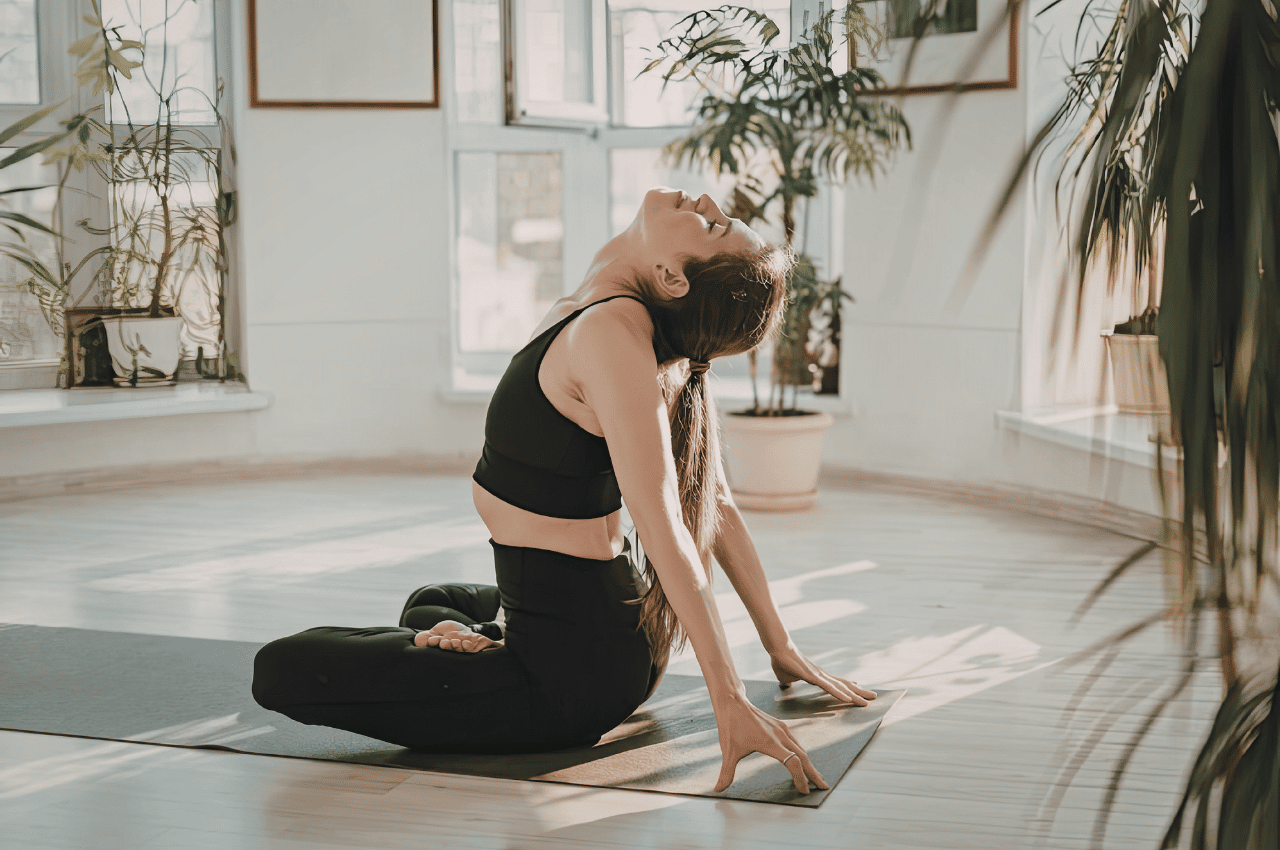
Many people think of stretching as something that only improves flexibility, but research suggests it can also help prepare the body for better sleep. Gentle stretching before bedtime may reduce muscle tension, calm the nervous system, and make it easier to relax after a busy day.
While stretching is not a cure for insomnia or other sleep disorders, it can become an effective part of a healthy nighttime routine.
(Source: American Academy of Sleep Medicine)
During the day, muscles gradually become tight from sitting, exercising, carrying bags, or repeating the same movements. Tight muscles can create discomfort that makes it harder to fall asleep or stay asleep.
Gentle stretching increases blood circulation to the muscles and improves joint mobility. As muscles relax, the body often feels more comfortable lying in bed, reducing unnecessary movement during the night.
One of the biggest reasons stretching may improve sleep has little to do with flexibility.
Slow, controlled stretches combined with deep breathing activate the parasympathetic nervous system, often called the “rest and digest” system. This helps lower heart rate, reduce stress levels, and prepare the body for rest.
Fast or aggressive stretching, however, may have the opposite effect by stimulating the body instead of calming it.
Relaxing stretches are generally more effective before bed than intense flexibility training.
Gentle stretches for the neck, shoulders, chest, hips, hamstrings, calves, and lower back help release common areas of tension. Holding each stretch for about 20 to 30 seconds while breathing slowly allows the muscles to relax naturally without forcing a greater range of motion.
The goal is comfort, not maximum flexibility.
A growing number of studies have found that regular evening stretching and gentle movement routines may improve subjective sleep quality, particularly in older adults and people with sedentary lifestyles. Researchers believe that reduced muscle tension and increased relaxation both contribute to better sleep.
(Source: Sleep Medicine Reviews)
Many people mistakenly believe stretching should hurt to be effective.
Pain causes muscles to tighten as a protective response, making relaxation more difficult. Instead, stretches should create a gentle feeling of tension while allowing normal breathing throughout the movement.
If you cannot breathe comfortably, the stretch is probably too intense.
Stretching works best when it becomes a consistent habit.
Practicing at the same time each evening helps signal to the brain that it is time to wind down. Many sleep specialists recommend combining stretching with dim lighting, limited screen time, and slow breathing to create a relaxing pre-sleep routine.
Even five to ten minutes can make a noticeable difference over time.
You do not need to be flexible to benefit from stretching.
Office workers, students, musicians, and anyone who spends long hours sitting often experience tight hips, shoulders, and back muscles. Gentle evening stretching can help relieve this daily stiffness while promoting relaxation before bedtime.
Consistency is far more important than performing advanced stretches.
Stretching is a simple habit that can support better sleep by relaxing muscles, improving circulation, and calming the nervous system.
Although it will not solve every sleep problem, a short, gentle stretching routine before bed may help you fall asleep more comfortably and wake up feeling less stiff. Combined with healthy sleep habits, regular stretching can become an easy and effective way to support both physical recovery and overall well-being.
Achieve More With VSA: Boost your skills with world-class coaches for just $29/hour. Personalized programs 24/7, 365 days a year, anywhere in the world.
By Vitalina Andrushchenko, Staff Writer

February 19, 2026
The Million-Dollar Medal: Alysa Liu’s Olympic Journey

January 08, 2026
2026 U.S. Skating Nationals Results

February 21, 2026
A Guide to Rhythmic Gymnastics Apparatus
Competition highlights, industry trends, expert opinions, and stories from athletes and artists worldwide — delivered straight to your inbox