 English
 中文 (中国)
 Español
February 19, 2026
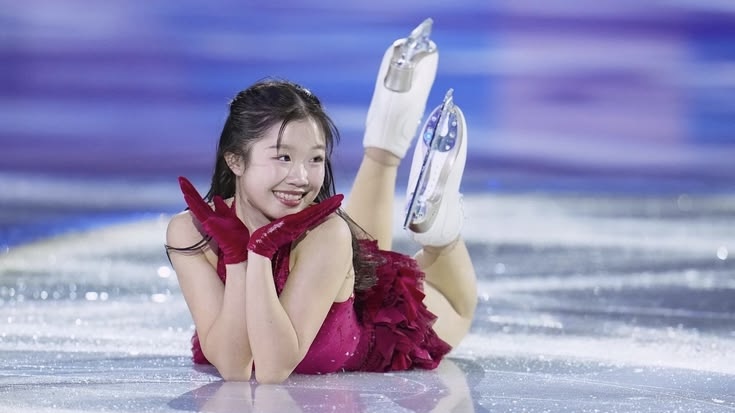
The Million-Dollar Medal: Alysa Liu’s Olympic Journey
July 11, 2026
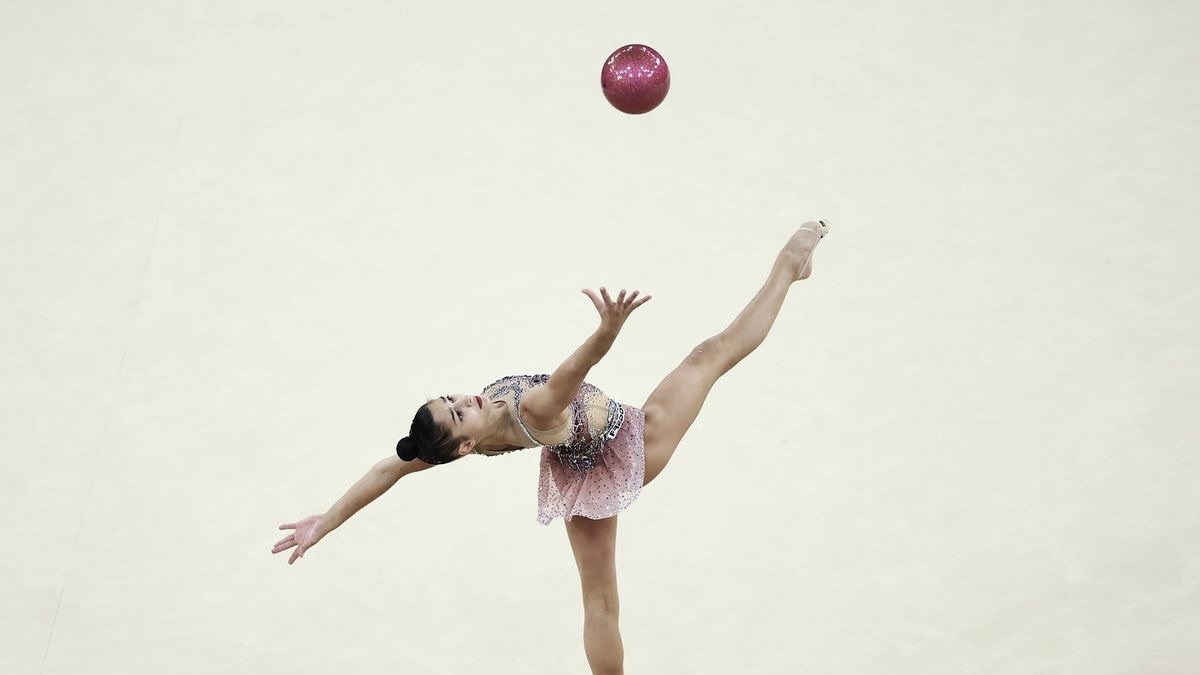
In rhythmic gymnastics, music is much more than background sound. It determines the rhythm, character, timing, and emotional atmosphere of a routine. Every throw, catch, roll, balance, and dance step should match the musical structure, creating a performance where movement and music appear inseparable.
The ball is often considered the most expressive apparatus because its smooth, continuous movements naturally complement lyrical and emotional music. When music and choreography work together, the routine becomes more memorable for both judges and spectators.
Under the Rhythmic Gymnastics Code of Points, artistry is an important part of the final score. Gymnasts are evaluated on their musical interpretation, expression, body movement, and the harmony between choreography and music.
Successful routines do more than follow the beat. They highlight changes in tempo, accents, pauses, and emotional shifts throughout the composition. Missing these musical details can reduce the overall artistic impact of the performance.
(Source: FIG Rhythmic Gymnastics Code of Points)
Not every piece of music works well for a ball routine.
Because the ball emphasizes fluidity, elegance, and continuous motion, coaches often choose music with flowing melodies and clear emotional development. Sudden changes in rhythm may be used strategically for high throws, difficult catches, or dramatic body movements, while softer passages allow gymnasts to demonstrate flexibility and graceful apparatus handling.
The music should also match the gymnast’s personality and performance style.
Sofia Raffaeli is known for her exceptional musical interpretation during ball routines. One of her greatest strengths is her ability to synchronize every body movement with the phrasing of the music rather than simply following the basic rhythm. During slower sections, she extends movements through her shoulders, wrists, and fingertips, making the choreography appear effortless. As the tempo increases, her apparatus handling becomes faster while maintaining excellent control of the ball.
Her transitions between dance steps and apparatus elements are nearly invisible, allowing the routine to flow continuously from beginning to end. This seamless connection between music and movement contributes significantly to her high artistry scores in international competitions.
Elite gymnasts carefully coordinate difficult elements with important musical moments.
Large throws often happen during crescendos, catches may coincide with strong accents, and balances or pivots are frequently placed during quieter musical passages. This creates a natural visual rhythm that makes even highly difficult skills appear elegant rather than forced.
Good musical timing also helps audiences anticipate key moments, making routines more exciting to watch.
Facial expression, posture, breathing, and movement quality should reflect the character of the music.
A joyful composition requires different energy than a dramatic or emotional piece. Judges notice whether a gymnast maintains the same expression throughout the routine or adapts naturally as the music changes.
The strongest performances tell a complete story rather than presenting isolated technical elements.
Many international rhythmic gymnasts spend weeks editing their music before the competition season begins. Coaches often adjust the length of musical phrases by fractions of a second so that difficult throws, catches, pivots, and final poses align perfectly with important musical accents. Some athletes practice choreography without the apparatus first to develop musical interpretation before adding technical elements.
(Source: FIG coaching resources and international rhythmic gymnastics choreography practices)
Music transforms a ball routine from a collection of technical elements into a complete artistic performance.
Strong musical interpretation, thoughtful choreography, and precise timing help gymnasts communicate emotion while maximizing their artistry score. When movement and music become one, the routine leaves a lasting impression on judges and audiences alike.
Achieve More With VSA: Boost your skills with world-class coaches for just $29/hour. Personalized programs 24/7, 365 days a year, anywhere in the world.
By Vitalina Andrushchenko, Staff Writer
February 19, 2026
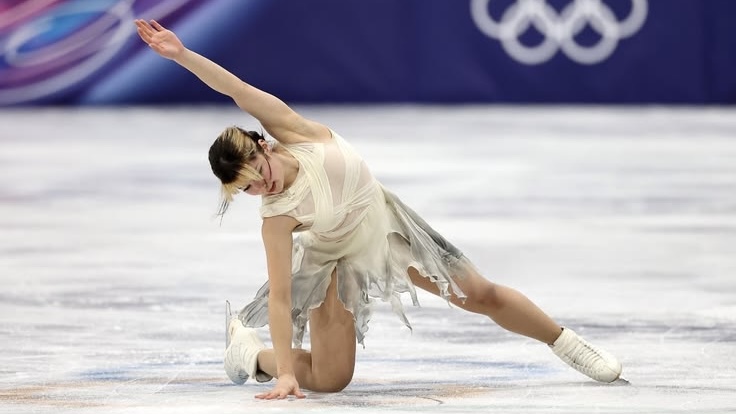
The Million-Dollar Medal: Alysa Liu’s Olympic Journey
February 21, 2026
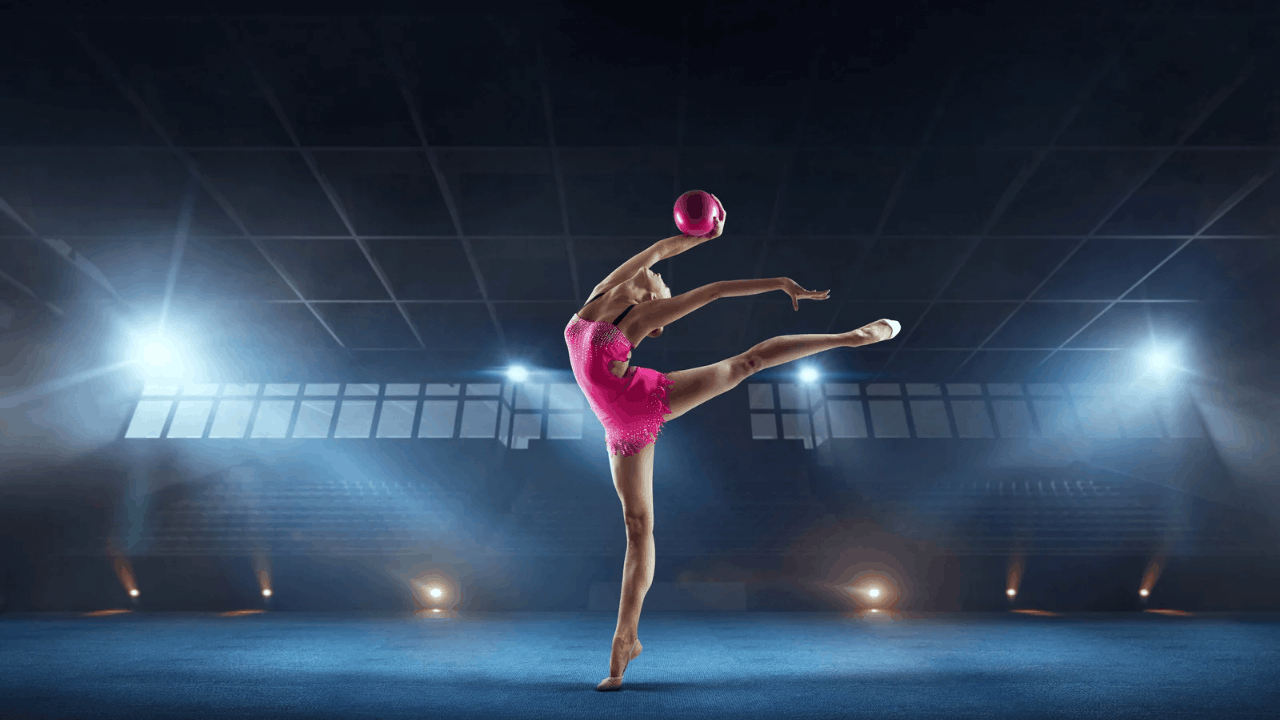
A Guide to Rhythmic Gymnastics Apparatus
February 18, 2026
Ami Nakai Stuns With Triple Axel to Lead Olympic Short Program
Competition highlights, industry trends, expert opinions, and stories from athletes and artists worldwide — delivered straight to your inbox