 English
 中文 (中国)
 Español
February 19, 2026
The Million-Dollar Medal: Alysa Liu’s Olympic Journey
July 17, 2026
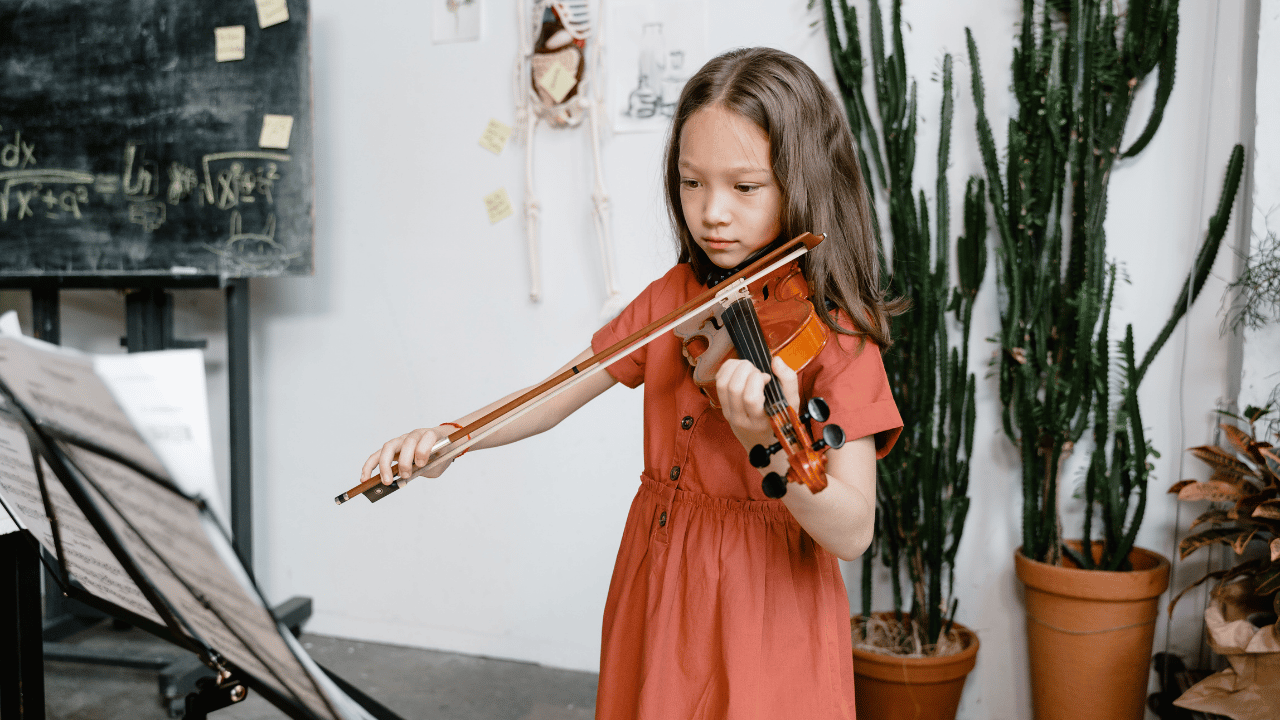
Few pieces of classical music are as recognizable as The Four Seasons. Composed by Antonio Vivaldi around 1723 and published in 1725, the collection of four violin concertos remains one of the most frequently performed works in the world. More than 300 years later, musicians still study it for its technical challenges, vivid storytelling, and groundbreaking musical ideas.
Rather than writing music simply to sound beautiful, Vivaldi wanted listeners to “see” nature through sound.
Antonio Vivaldi was born in Venice, Italy, in 1678. Although he was ordained as a Catholic priest—earning the nickname “The Red Priest” because of his distinctive red hair—he became far more famous as a composer and violin virtuoso.
Throughout his career, Vivaldi wrote more than 500 concertos, along with operas, sacred music, and chamber works. Much of his work was composed while teaching talented young musicians at the Ospedale della Pietà, a music school and orphanage in Venice.
(Source: Encyclopaedia Britannica, The British Library)
The Four Seasons consists of four separate violin concertos:
Each concerto represents one season of the year through music.
What made this revolutionary was that Vivaldi included accompanying sonnets explaining exactly what listeners should imagine. Birds singing, thunderstorms, barking dogs, frozen landscapes, falling leaves, hunters, and dancing villagers all appear through musical techniques.
Today, this approach is known as program music—music that tells a story or paints a picture.
Vivaldi used remarkably creative techniques to imitate nature.
In Spring, short, light violin phrases imitate birds singing, while flowing passages represent streams and gentle breezes.
In Summer, fast repeated notes and dramatic dynamic changes create growing tension before a violent thunderstorm suddenly erupts through rapid scales and powerful orchestral chords.
Autumn captures celebrations after the harvest. Lively dance rhythms gradually slow down to depict villagers becoming sleepy after drinking wine before energetic hunting scenes begin.
In Winter, sharp staccato notes and quick repeated figures suggest shivering in the cold, while smooth lyrical passages represent warming yourself beside a fireplace before returning outdoors into icy winds.
Each musical decision supports the story, making the listener experience the changing seasons without any words.
Although many people recognize the melodies, The Four Seasons is technically demanding.
Violinists must master rapid string crossings, clear articulation, expressive phrasing, fast scales, double stops, accurate intonation, controlled bow speed, and frequent changes of dynamics and character.
Perhaps even more importantly, performers must become storytellers. Every movement requires different emotions and imagery rather than simply playing the correct notes.
When The Four Seasons was first published in Amsterdam in 1725, each concerto included a descriptive sonnet believed to have been written by Vivaldi himself or closely associated with him. These poems guide performers and listeners through every scene represented in the music, making the collection one of the earliest and most famous examples of program music.
The complete cycle usually lasts around 40–45 minutes and has been recorded thousands of times by violinists from around the world.
(Source: Oxford Music Online, Baroque music research)
Whether you play the violin or another instrument, The Four Seasons offers valuable lessons.
Study the story behind the music before practicing. Think about what each phrase represents instead of focusing only on technique. Experiment with dynamics, articulation, tempo, and tone color to create vivid musical images. Understanding the composer’s intentions often makes performances far more expressive.
More than three centuries after it was written, The Four Seasons continues to inspire musicians and audiences alike.
Antonio Vivaldi proved that music can describe nature, tell stories, and evoke emotions without using a single spoken word. That timeless combination of imagination and technical brilliance explains why his masterpiece remains one of the greatest works in classical music history.
Achieve More With VSA: Boost your skills with world-class coaches for just $29/hour. Personalized programs 24/7, 365 days a year, anywhere in the world.
By Vitalina Andrushchenko, Staff Writer
February 19, 2026
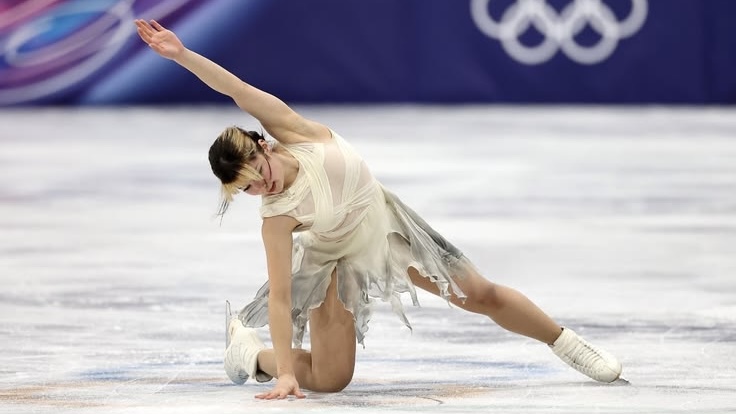
The Million-Dollar Medal: Alysa Liu’s Olympic Journey
February 21, 2026
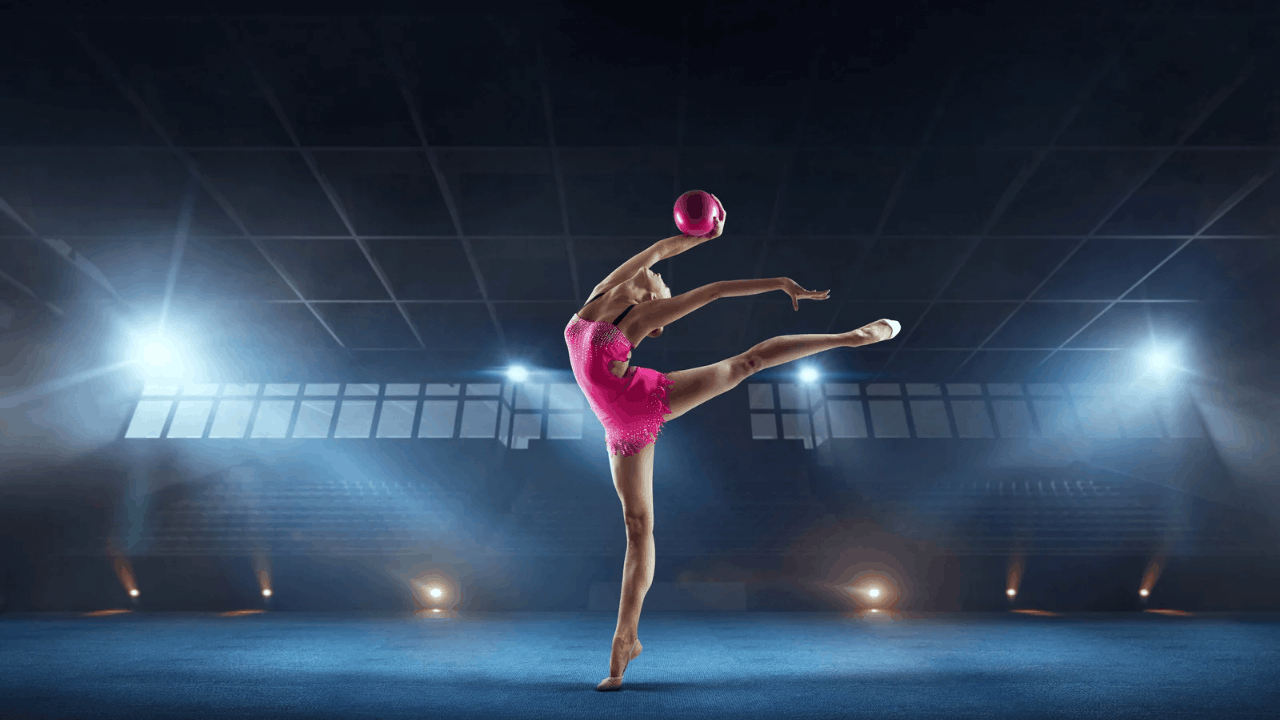
A Guide to Rhythmic Gymnastics Apparatus
February 18, 2026
Ami Nakai Stuns With Triple Axel to Lead Olympic Short Program
Competition highlights, industry trends, expert opinions, and stories from athletes and artists worldwide — delivered straight to your inbox