 English
 中文 (中国)
 Español
July 29, 2026
5 Skills Named After Olympic Gymnasts
October 16, 2026

Why does a simple piano loop in a lo-fi beat sometimes feel like a memory you cannot quite place? The answer often lies in two musical ingredients: modal interchange and minor ninth chords. Together, they create the bittersweet harmony that makes lo-fi piano sound warm, intimate, and strangely nostalgic.
Modal interchange occurs when a song borrows chords from a parallel scale or mode while keeping the same tonal center. For example, a piece in C major might borrow an F minor chord from C minor.
That unexpected change introduces a subtle shadow into an otherwise bright progression. The listener still recognizes the musical home, but the borrowed chord changes its emotional color.
This technique is common in film scores, pop music, jazz, and lo-fi production because it adds emotional complexity without making a progression sound completely unfamiliar.
Try this progression in C major:
Cmaj7 – Am7 – Fm7 – Cmaj7
The Fm7 chord contains A-flat, which falls outside the C major scale. When it moves back to Cmaj7, the contrast between A-flat and the familiar A-natural creates a bittersweet sense of release.
A minor ninth chord adds a ninth above a minor seventh chord, creating a rich sound with several layers of tension and color.
For example, Am9 contains A, C, E, G, and B. The minor third, C, gives the chord its darker character, while the ninth, B, adds a delicate openness.
Unlike a simple triad, a minor ninth chord can sound simultaneously relaxed and emotionally complex. Its notes overlap in a way that feels spacious, making it especially effective for slow piano recordings and mellow beats.
To create a classic lo-fi texture, try playing Am9 with the left hand on A and E while the right hand plays C, G, and B. Let the notes ring naturally instead of striking them too forcefully.
Nostalgia in music is not caused by one chord alone. It emerges from the interaction between harmony, rhythm, timbre, dynamics, and the listener’s own associations.
Modal interchange introduces a surprising emotional shift, while minor ninth chords provide a soft, unresolved richness. Together, they can suggest longing, reflection, or the feeling of remembering something beautiful that has already passed.
Slow tempos, softened piano attacks, vinyl-style noise, and gentle reverb can reinforce this impression. The result is a sound that feels imperfect and intimate rather than polished and dramatic.
However, these musical effects are not universal. The same progression can sound comforting to one listener and melancholy to another, depending on context and personal experience.
You do not need advanced music theory to experiment with this sound. Start with a simple progression and introduce one borrowed chord.
Try this four-chord loop in C major:
Cmaj7 – Am9 – Fm7 – G7
Play it slowly at around 65–80 BPM. Use soft piano velocity, leave space between phrases, and allow the chords to overlap slightly.
For a more atmospheric result, experiment with:
The harmony provides the emotional foundation, while the arrangement gives the loop its distinctive lo-fi character.
The most effective lo-fi piano progressions balance familiarity with a small amount of harmonic surprise. Major-seventh chords create softness, minor ninths add depth, and borrowed minor chords introduce a bittersweet turn.
The goal is not to make every chord sad. It is to create a musical space where warmth and melancholy can coexist.
Next time you produce a lo-fi beat, begin with a simple major-key progression, borrow one chord from its parallel minor, and add a minor ninth where the harmony needs more color. Listen carefully to how the mood changes when the borrowed chord resolves.
Sometimes, a handful of notes is enough to make a listener feel as though they are remembering a moment they never actually experienced.
Achieve More With VSA: Boost your skills with world-class coaches for just $29/hour. Personalized programs 24/7, 365 days a year, anywhere in the world.
By Vitalina Andrushchenko, Staff Writer
July 29, 2026
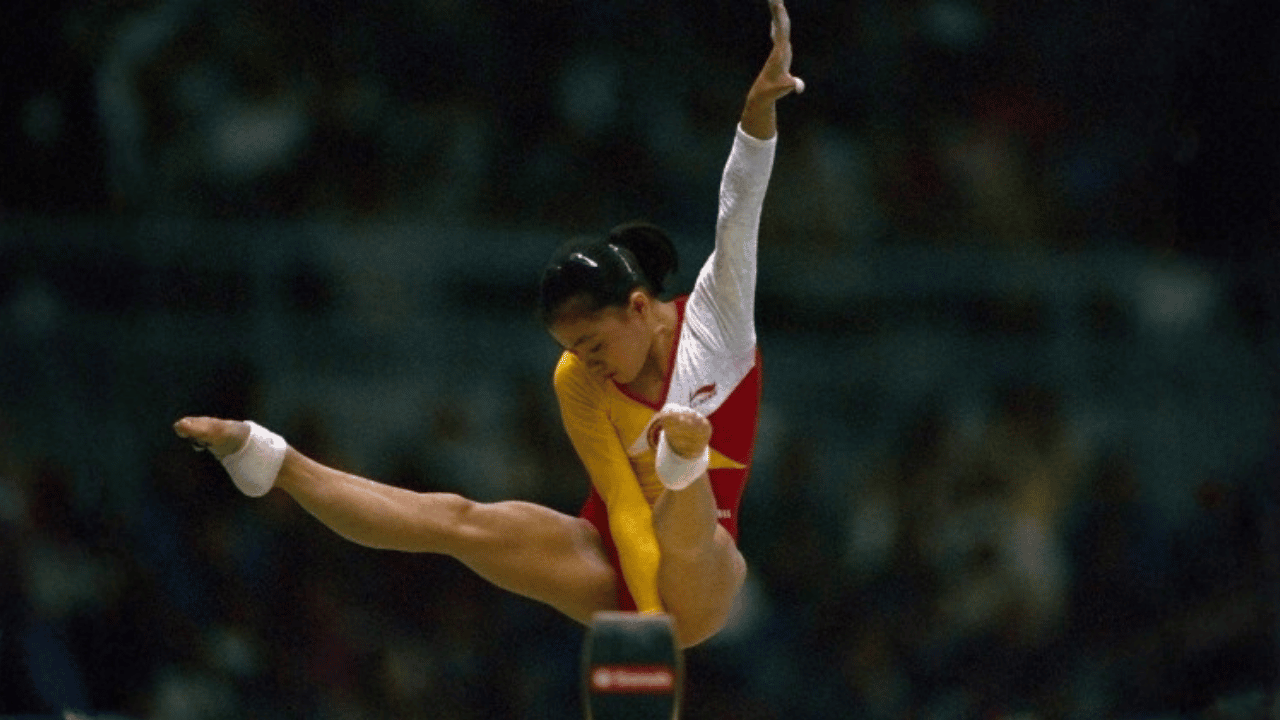
5 Skills Named After Olympic Gymnasts
May 24, 2026
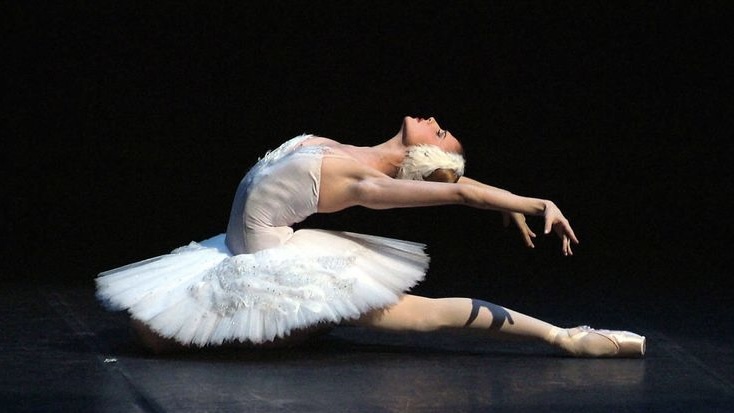
How to Improve Toe Point in Ballet

April 28, 2026
5 Ways to Hold Spin Positions Longer
Competition highlights, industry trends, expert opinions, and stories from athletes and artists worldwide — delivered straight to your inbox