

 English
 中文 (中国)
 Español

July 29, 2026
5 Skills Named After Olympic Gymnasts
October 23, 2026
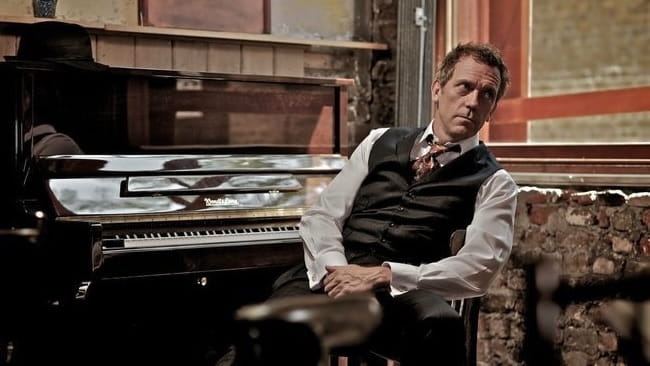
When we think of famous pianists, we usually imagine concert halls, classical music competitions, and professional musicians. But some familiar faces from Hollywood, figure skating, and ballet have also spent time at the piano.
For these performers, music is more than a hobby. Playing an instrument can offer another way to explore rhythm, emotion, concentration, and artistic expression.
Here are five well-known personalities whose piano skills might surprise you.
Ryan Gosling is best known for his performances in films such as The Notebook, Drive, and La La Land. However, his role as jazz pianist Sebastian Wilder in La La Land required much more than acting.
To prepare for the film, Gosling spent months learning piano with intensive coaching. He practiced the musical passages used in the movie so that the camera could capture him playing without relying entirely on a hand double.
His dedication became one of the most impressive aspects of the film’s musical performances.
What makes his story interesting is the relationship between music and acting. Gosling had to understand not only which notes to play but also how a pianist physically interacts with the instrument.
His experience demonstrates how learning piano can help actors create more convincing musical characters.
Millions of viewers recognize Hugh Laurie as Dr. Gregory House from the television series House. Yet Laurie is also an accomplished musician with a long-standing passion for blues.
He plays piano and sings, and he has released blues albums, including Let Them Talk and Didn’t It Rain.
Unlike an actor who learns an instrument for a single role, Laurie has developed music as a substantial part of his artistic career.
His performances draw on traditional blues influences, combining expressive piano playing with storytelling through song.
Laurie’s musical work highlights the emotional power of the piano. Blues performance depends not only on technical accuracy but also on phrasing, timing, and the ability to communicate feeling.
For piano students, his career is a reminder that musical expression can be just as important as playing difficult passages.
Robert Downey Jr. is internationally known for portraying Iron Man in the Marvel films and for his work in Oppenheimer.
However, acting is not his only artistic interest.
Downey has demonstrated his musical abilities through singing and piano performance. He released the album The Futurist in 2004, exploring a different side of his creativity.
His musical performances reveal an interest in melody, emotional interpretation, and personal expression beyond the characters he portrays on screen.
For actors, musical training can support important performance skills, including timing, listening, and emotional awareness.
Downey’s example shows how creativity can move naturally between different artistic disciplines.
Olympic figure skating champion Nathan Chen is known for his quadruple jumps, technical precision, and musical performances on the ice. But his relationship with music also extends to the piano.
Chen studied piano when he was younger and later returned to the instrument while attending Yale University. He even shared videos of himself playing, including music associated with fellow figure skater Mariah Bell.
His experience offers an interesting connection between musical training and figure skating. Both disciplines demand timing, concentration, coordination, and an understanding of phrasing.
Although piano playing and skating require very different physical skills, Chen’s interest in music shows how athletes can explore artistic expression beyond their primary sport.
Richard Gere is best known for films such as Pretty Woman and An Officer and a Gentleman. However, he also has a musical background that includes piano, guitar, and trumpet.
One particularly surprising detail is that Gere performed his own piano composition in Pretty Woman.
Rather than simply pretending to play, he brought his own musical abilities into the film, creating a memorable connection between acting and music.
Gere’s example demonstrates how an actor’s skills outside the film industry can contribute directly to an on-screen performance.
For aspiring actors, learning an instrument can offer another way to develop creativity, musical timing, and expressive confidence.
The piano can support skills that are useful in many artistic professions.
For actors, musical training may improve timing, listening, and the ability to interpret emotional changes.
For figure skaters, understanding rhythm and phrasing can strengthen the connection between choreography and music.
For ballet dancers, musical awareness helps coordinate movement with accents, transitions, and changes in tempo.
Piano practice also encourages concentration, patience, and attention to detail.
However, musical training does not automatically make someone a stronger performer in another discipline. Its value depends on how the skills are developed and applied.
From Ryan Gosling’s intensive preparation for La La Land to Hugh Laurie’s blues career, famous performers have found different ways to connect with the piano.
Some use it professionally, others explore it as a creative interest, and many draw on musical understanding in their main artistic work.
Their stories offer an encouraging lesson: you do not need to become a concert pianist to benefit from learning music.
Whether your passion is acting, dancing, skating, or simply enjoying beautiful melodies, the piano can become another valuable tool for creative expression.
Achieve More With VSA: Boost your skills with world-class coaches for just $29/hour. Personalized programs 24/7, 365 days a year, anywhere in the world.
By Vitalina Andrushchenko, Staff Writer
July 29, 2026
5 Skills Named After Olympic Gymnasts

May 24, 2026
How to Improve Toe Point in Ballet
April 28, 2026
5 Ways to Hold Spin Positions Longer
Competition highlights, industry trends, expert opinions, and stories from athletes and artists worldwide — delivered straight to your inbox
