English
 中文 (中国)
 Español

July 29, 2026
5 Skills Named After Olympic Gymnasts
October 28, 2026
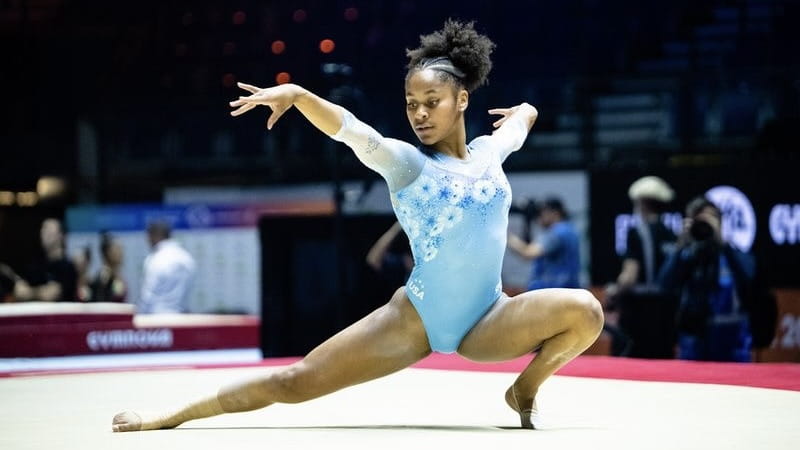
The United States women’s artistic gymnastics team proved its strength at the 2026 World Artistic Gymnastics Championships in Rotterdam, Netherlands, earning seven medals and two world titles despite competing without several of its biggest stars.
With Simone Biles watching from the stands and Suni Lee and Jordan Chiles absent from the squad, a new generation of American gymnasts stepped into the spotlight. Their achievements included team silver, an all-around world title for Skye Blakely, and a memorable one-two finish on floor exercise.
The results offered a powerful response to questions about whether the United States could remain a leading force in women’s gymnastics after the Paris 2024 Olympic cycle.
Before the championships, Betty Okino, a 1992 Olympic bronze medallist and member of USA Gymnastics’ national staff, addressed speculation about the team’s strength.
She wanted the new athletes to demonstrate that the United States remained competitive, even without its most recognizable stars.
The team arrived in Rotterdam with a relatively inexperienced lineup built around two established gymnasts: Paris 2024 Olympic gold medallist Hezly Rivera and two-time world team champion Skye Blakely.
However, the team’s plans changed dramatically when Rivera suffered a left ankle injury on the eve of competition.
Alternate Dulcy Caylor was called into action shortly before qualification and later competed on beam and floor in the team medal round. First-year senior Charleigh Bullock also contributed on vault and uneven bars.
Rather than allowing the disruption to derail their campaign, the Americans relied on teamwork, preparation, and the ability to perform under pressure.
Their final medal count matched the seven medals won by the gold-medal-winning U.S. women’s teams at the 2022 and 2023 World Championships.
Skye Blakely delivered one of the defining performances of the championships by winning the women’s all-around title.
Her victory was especially meaningful after an Achilles tear ended her bid to compete at the Paris 2024 Olympics. The 2026 championships marked her first elite all-around competition since that setback.
Blakely admitted that she had not been certain she would reach this level again at the beginning of the year.
After a difficult second day at the U.S. Championships, where she fell three times across the four apparatus, she questioned whether she could continue.
Instead, she developed a detailed training plan to prepare for the world team selection camp. The work paid off in Rotterdam, where she successfully completed all 14 of her routines.
Blakely also earned bronze on vault and uneven bars, scoring 14.600 on her favourite apparatus. She finished sixth on balance beam, completing a remarkable week of competition.
U.S. women’s technical lead Chellsie Memmel attributed the improvement to Blakely’s growing trust in her body, training, and abilities.
For Blakely, the all-around gold represented the fulfilment of a long-held dream and the reward for rebuilding her confidence after injury.
The women’s team final produced one of the closest battles of the championships.
China claimed gold with 165.764 points, while the United States finished second with 165.531. The difference was just 0.233 points.
The narrow margin highlighted how a single landing, a small turn on the uneven bars, or a minor balance error can influence a team result.
Memmel cautioned against attributing the difference to one gymnast or one specific mistake. In a competition involving multiple apparatus and routines, the final score reflects the combined performance of the entire team.
Blakely took on a leadership role, anchoring three events and helping the Americans navigate the pressure of the medal round.
She later described asking for help to deliver her best performance for her teammates. Her attitude captured the team’s central message: success depended on collective effort rather than the presence of a single superstar.
The United States enjoyed an especially memorable result in the women’s floor final.
Claire Pease won gold with 13.866 points, while Reese Esponda earned silver with 13.566. Both were making their World Championships debuts.
Their one-two finish demonstrated the depth of the American program and gave two emerging athletes a place among the world’s best.
Pease’s victory added an individual world title to the U.S. team’s achievements, while Esponda’s silver further strengthened the country’s medal total.
Together with Blakely’s all-around triumph, the floor results underlined how the team’s success was distributed across different athletes and events.
Although Simone Biles did not compete, her presence in Rotterdam remained significant. The most decorated gymnast of her generation watched from the stands and supported the athletes representing the United States.
Her appearance provided a symbolic connection between the team’s established history and its emerging future.
Without Biles, Lee, or Chiles on the competition floor, the younger gymnasts had an opportunity to demonstrate their own abilities and take responsibility for the team’s performance.
The championships showed that the American women’s program could remain competitive while developing new leaders and giving less experienced athletes valuable international experience.
With the LA28 Olympic Games less than two years away, the Rotterdam results offered encouraging signs for the United States.
Blakely’s return to the top of the all-around podium, the floor medals for Pease and Esponda, and the team’s narrow second-place finish all demonstrated considerable depth.
The silver medal also showed how competitive the international field has become, with China narrowly beating the Americans in the team final.
For USA Gymnastics, the challenge now is to build on this performance, improve consistency, and continue developing athletes who can handle the pressure of major championships.
In Rotterdam, the message was clear: the United States does not depend on one star to remain a gymnastics powerhouse. Its next generation has begun making its own history.
Source: article on olympics.com By Scott Bregman published October 26, 2026.
Achieve More With VSA: Boost your skills with world-class coaches for just $29/hour. Personalized programs 24/7, 365 days a year, anywhere in the world.
By Vitalina Andrushchenko, Staff Writer Achieve More With VSA: Boost your skills with world-class coaches for just $29/hour. Personalized programs 24/7, 365 days a year, anywhere in the world.
By Vitalina Andrushchenko, Staff Writer
July 29, 2026
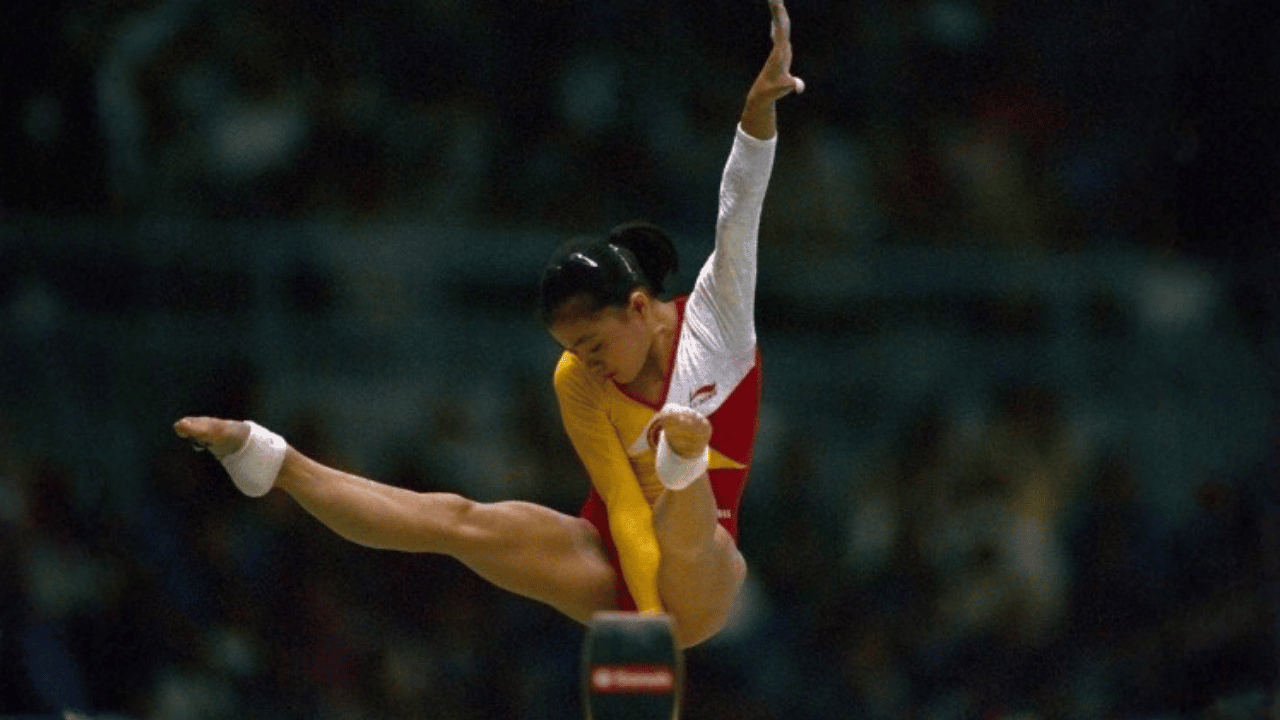
5 Skills Named After Olympic Gymnasts
May 24, 2026
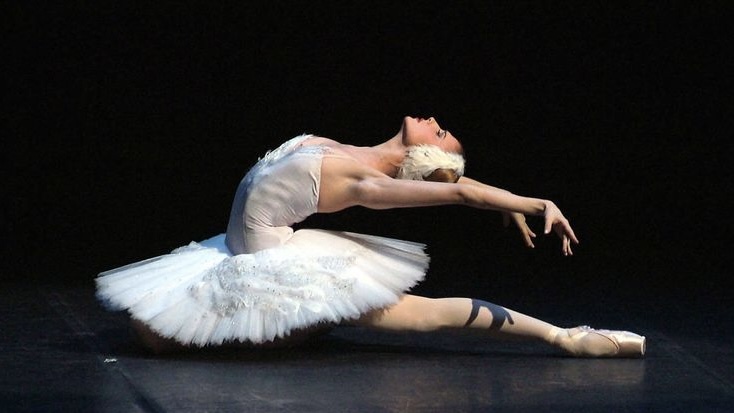
How to Improve Toe Point in Ballet
April 28, 2026
5 Ways to Hold Spin Positions Longer
Competition highlights, industry trends, expert opinions, and stories from athletes and artists worldwide — delivered straight to your inbox