
December 25, 2025
Nancy Kerrigan’s $10 Million Legacy: Success Beyond the Ice
November 08, 2025
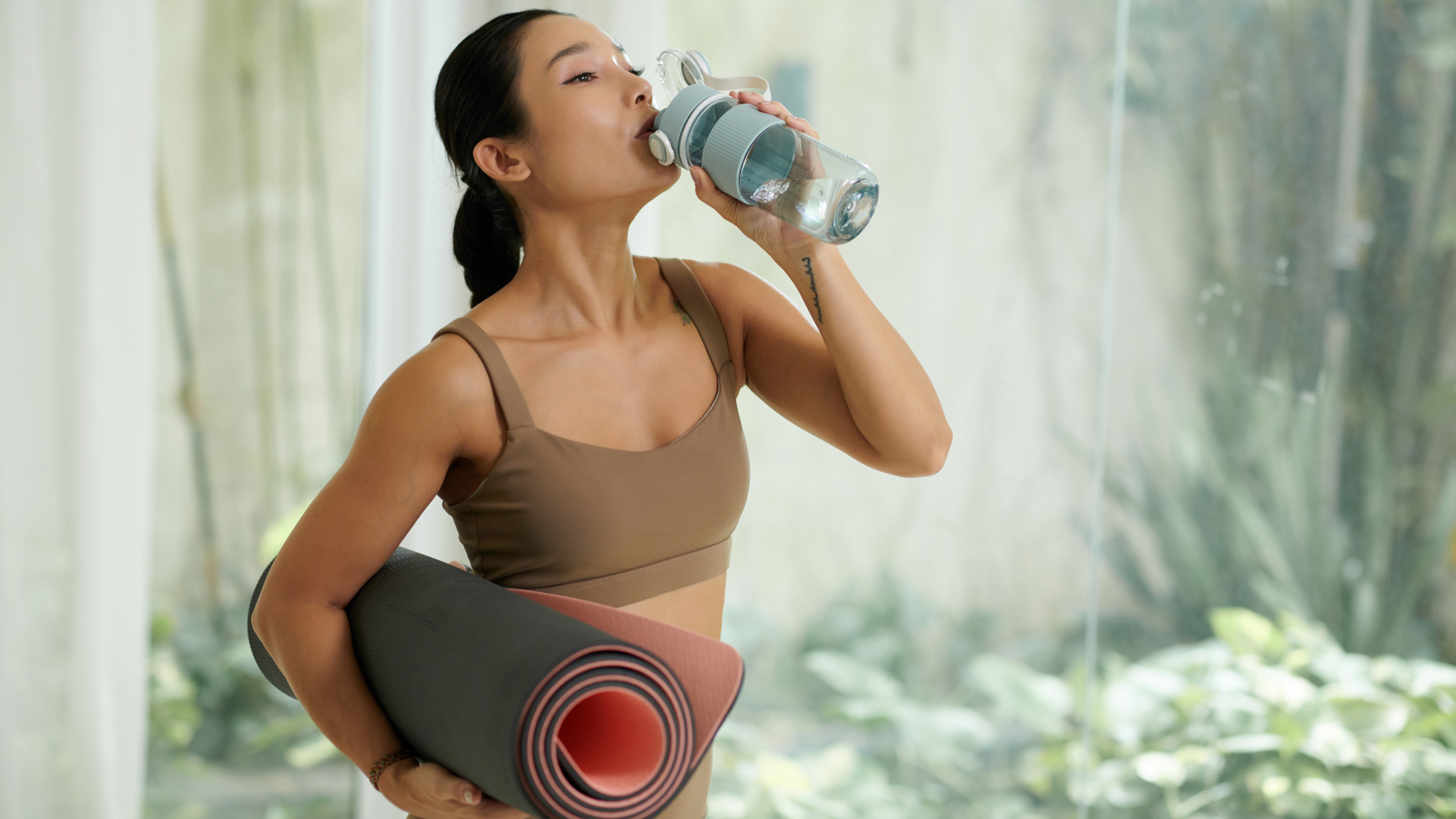
Caffeine is one of the most popular performance enhancers in the world — and it’s perfectly legal.
From a morning espresso to a pre-workout drink, athletes and everyday gym-goers rely on caffeine to boost focus, endurance, and motivation.
But here’s the question: how much caffeine actually helps your workout… and when does it become too much?
Caffeine stimulates your central nervous system, increasing alertness and reducing the perception of fatigue.
This means you can push harder and longer during your workout.
Studies published in the Journal of Applied Physiology show that caffeine can:
It works by blocking adenosine, a neurotransmitter that makes you feel tired, while boosting dopamine and adrenaline, the hormones that make you feel energized and ready to perform.
The recommended caffeine dose for performance is 3–6 mg per kilogram of body weight, taken about 45–60 minutes before exercise.
For an average 60 kg (132 lb) person, that’s roughly 180–360 mg of caffeine — about 2–4 cups of coffee or one serving of many pre-workout supplements.
However, more is not better.
Once you go beyond 400 mg per day (the upper limit suggested by the U.S. FDA), the benefits plateau — and side effects increase.
Too much caffeine can cause:
For sensitive individuals, even smaller doses can trigger these symptoms.
Your body’s reaction to caffeine depends on genetics, metabolism, and habitual intake.
Some people feel energized from a single cup of coffee, while others need more to feel the same effect.
If you’re new to caffeine, start small — around 100 mg — and monitor how your body responds before increasing the dose.
If caffeine makes you anxious or jittery, try natural energy boosters such as:
Caffeine can be a powerful ally for your workouts — when used wisely.
Stick to moderate doses (3–6 mg/kg), pay attention to timing, and listen to your body.
Remember: energy from caffeine is temporary, but energy from consistent training, nutrition, and recovery lasts.
And if you’re unsure about your ideal intake or have heart or anxiety conditions, consult a sports nutritionist or medical professional before adding caffeine supplements to your routine.
Achieve More With VSA: Boost your skills with world-class coaches for just $29/hour. Perfect for skaters, hockey players, dancers, and athletes, VSA offers personalized training 24/7, 365 days a year, anywhere in the world.
By Vitalina Andrushchenko, Staff Writer

December 25, 2025
Nancy Kerrigan’s $10 Million Legacy: Success Beyond the Ice
February 19, 2026
The Million-Dollar Medal: Alysa Liu’s Olympic Journey

January 08, 2026
2026 U.S. Skating Nationals Results
Competition highlights, industry trends, expert opinions, and stories from athletes and artists worldwide — delivered straight to your inbox