
September 19, 2025
Trending Famous Ballerinas of 2025
July 10, 2025
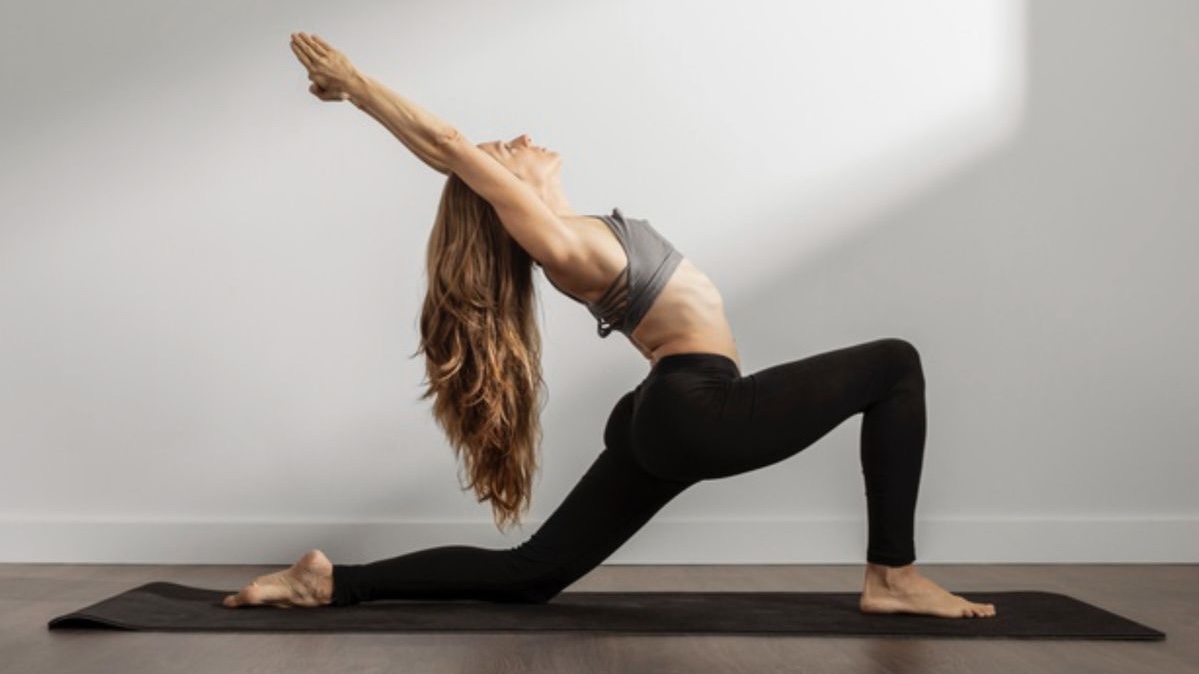
The idea that flexibility is only for the young is a common myth that stops many adults from trying to improve their mobility. Whether you’re in your 20s, 40s, or beyond, you can become more flexible with the right approach. Flexibility isn’t just for dancers or athletes—it’s a key part of health that benefits everyone. This article debunks age-related myths and explains how anyone can enhance flexibility, no matter their age, with practical tips and science-backed insights.
One of the biggest misconceptions is that flexibility declines irreversibly with age. While muscle elasticity and joint mobility naturally decrease over time—by about 10% per decade after age 30, according to a 2021 study in Journal of Aging and Physical Activity—consistent stretching can reverse much of this loss. Adults in their 50s and 60s who stretch regularly can improve flexibility by 15-20% within six months, per a 2022 Frontiers in Physiology study. Age doesn’t lock you out of flexibility; it just means you need to be patient and consistent. Starting with gentle stretches, like reaching for your toes or shoulder rolls, can gradually loosen tight muscles and joints.
Many believe flexibility is a gift you’re born with, but it’s a skill you can build. Unlike innate traits like height, flexibility responds to training at any age. A 2020 study in Sports Medicine found that adults with no prior flexibility training improved their range of motion by 12% after three months of daily stretching. Activities like yoga or dance-inspired movements, which emphasize lengthening muscles, work for beginners and older adults alike. You don’t need to aim for splits—small gains, like touching your knees without strain, add up over time and boost everyday mobility.
Some worry that stretching is too intense or risky as you age, but it’s one of the safest ways to stay active. Low-impact stretching, tailored to your comfort level, strengthens muscles and lubricates joints without stressing the body. A 2023 study in Journal of Gerontology showed that gentle stretching reduces joint stiffness by 18% in adults over 60, lowering the risk of falls. Start with short sessions—5 to 10 minutes daily—focusing on major muscle groups like hamstrings, hips, and shoulders. Warm up with light movement, like walking, to prepare your body and avoid injury.
Improving flexibility does more than help you touch your toes. It enhances posture, reducing strain on your back and neck, which is critical as 80% of adults experience back pain, per a 2022 Pain Research study. Flexible muscles improve blood flow, delivering oxygen to tissues and aiding recovery, especially after sitting for long periods. Flexibility also boosts balance, with a 2021 Balance and Mobility study finding a 25% improvement in stability for adults over 50 after regular stretching. Mentally, stretching promotes relaxation by lowering cortisol levels, creating a sense of calm and focus.
You don’t need prior experience or a gym to start. Begin with simple stretches, holding each for 15-30 seconds while breathing deeply to relax muscles. Focus on areas like your calves, thighs, and lower back, which often tighten with age. A 2020 Journal of Sports Sciences study found that combining stretching with deep breathing increases flexibility gains by 10% by engaging the parasympathetic nervous system. Try a beginner-friendly class, like one inspired by dance or mindful movement, or follow online videos designed for adults. Consistency is key—stretching three times a week can yield noticeable results in a month.
Fear of injury or feeling “too stiff” stops many adults, but these concerns are manageable. Start slowly, never pushing to the point of pain, and use props like a chair for support. Time constraints? Even 5-minute sessions during a lunch break work. Lack of confidence? Beginner classes or at-home practice are judgment-free spaces. As dance icon Martha Graham said, “The body is a sacred garment; it’s never too late to care for it.” With patience, you’ll see progress, no matter your starting point.
Age is no barrier to becoming flexible—it’s a myth that only the young can bend and stretch. With consistent effort, adults at any stage can improve mobility, reduce pain, and feel more vibrant. Flexibility isn’t about perfection; it’s about moving better, feeling stronger, and embracing your body’s potential. Take the first step, stretch a little each day, and discover how flexible you can become at any age.
Achieve More With VSA: Boost your skills with world-class coaches for just $29/hour. Perfect for skaters, hockey players, dancers, and athletes, VSA offers personalized training 24/7, 365 days a year, anywhere in the world.
By Vitalina Andrushchenko, Staff Writer

September 19, 2025
Trending Famous Ballerinas of 2025

December 25, 2025
Nancy Kerrigan’s $10 Million Legacy: Success Beyond the Ice
January 08, 2026
2026 U.S. Skating Nationals Results
Competition highlights, industry trends, expert opinions, and stories from athletes and artists worldwide — delivered straight to your inbox