
September 19, 2025
Trending Famous Ballerinas of 2025
February 24, 2026
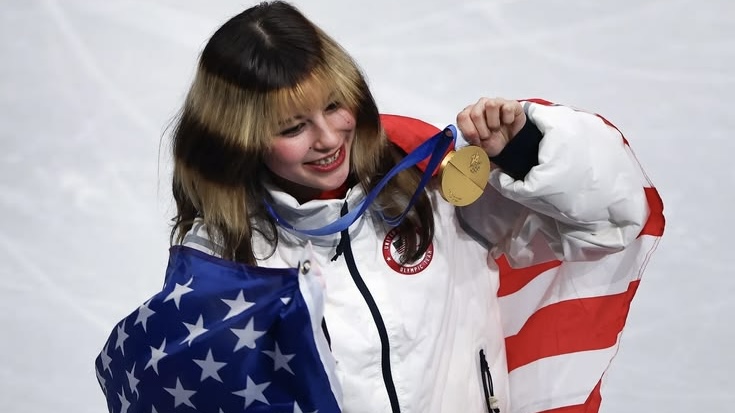
In the cold, echoing silence of an ice rink after a competition that didn’t go your way, the weight of the silver or the sting of a fourth-place finish can feel heavier than a gold medal. In figure skating—a sport where a single toe-pick slip or a slight edge error can be the difference between a podium and a heartbreak—the real competition happens after the scores are posted.
While the world watches the winners stand on the podium, the true masters of the sport are in the locker rooms, already beginning the mental process of the “comeback.” Resilience in figure skating isn’t about ignoring a loss; it’s about treating a bad result as a diagnostic tool rather than a final verdict.
To reach the Olympic level, every champion has had to learn how to keep their skates on and their heads high after a loss. Here is how some of the world’s best approach a disappointing performance:
1. The “Post-Mortem” Analysis (Yuzuru Hanyu’s Perspective) The legendary two-time Olympic champion was known for his analytical mind. Instead of letting a missed jump define him, he treated every mistake like a puzzle piece.
2. Focus on the “Small Wins” (Nathan Chen’s Approach) After a disastrous short program in PyeongChang 2018, Nathan Chen didn’t quit; he came back to win the Free Skate. He credits this to narrowing his focus.
3. Separation of Self (Alysa Liu’s Insight) Fresh off her 2026 Olympic victory, Liu has often spoken about the importance of being “more than a skater.”
4. The Power of “Active Rest” (Kaori Sakamoto’s Strategy) Sakamoto often emphasizes the need to let the body and mind reset.
Ultimately, the ice does not remember your last fall, and neither should your future. By adopting the mindset of a champion—one that views every “loss” as a lesson in disguise—you ensure that your next time on the ice is not just a return, but a revolution.
Achieve More With VSA: Boost your skating skills with world-class coaches for just $29/hour. Personalized programs 24/7, 365 days a year, anywhere in the world.
By Vitalina Andrushchenko, Staff Writer

September 19, 2025
Trending Famous Ballerinas of 2025

December 25, 2025
Nancy Kerrigan’s $10 Million Legacy: Success Beyond the Ice
January 08, 2026
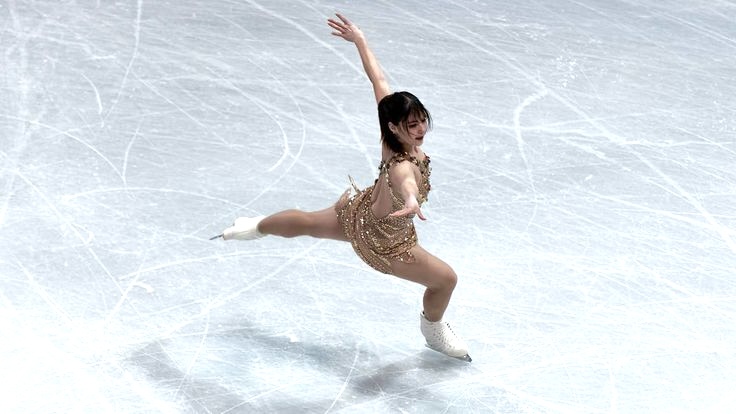
2026 U.S. Skating Nationals Results
Competition highlights, industry trends, expert opinions, and stories from athletes and artists worldwide — delivered straight to your inbox