
September 19, 2025
Trending Famous Ballerinas of 2025
March 13, 2025
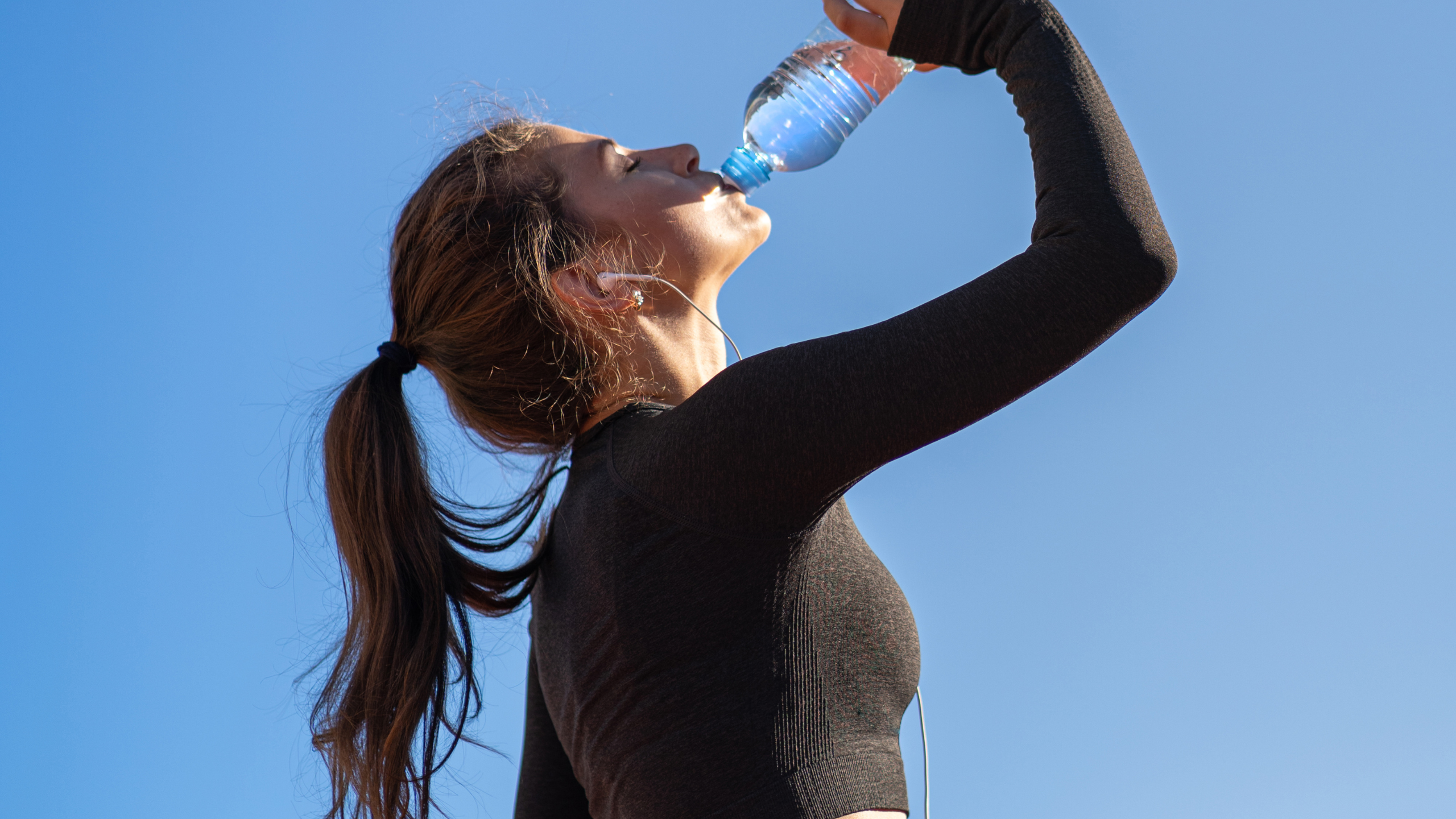
Water is essential for life, and its importance becomes even more pronounced during physical activity. When you work out, your body sweats to regulate temperature, losing water and electrolytes in the process. But how much water should you drink during exercise, and what’s the best way to hydrate—gulping down large amounts or sipping gradually? Let’s explore the science and practical considerations to find the optimal approach.
Exercise increases your body’s demand for water. According to a 2016 study published in the Journal of Sports Sciences, dehydration as little as 2% of body weight can impair physical performance, reduce endurance, and increase perceived effort (Sawka et al., 2015). This happens because water plays a critical role in delivering oxygen to muscles, regulating body temperature, and maintaining blood volume.
The American College of Sports Medicine (ACSM) recommends that individuals aim to prevent excessive dehydration during exercise by drinking fluids based on their sweat rate and the duration and intensity of the workout. Sweat rates vary widely—anywhere from 0.3 to 2.4 liters per hour—depending on factors like body size, fitness level, climate, and exercise intensity (ACSM Position Stand, 2007).
The “right” amount of water depends on your workout and your body. The ACSM suggests drinking 5-10 mL of water per kilogram of body weight (about 2.3-4.5 mL per pound) in the 2-4 hours before exercise to start hydrated. During exercise, aim to replace fluid losses by drinking 400-800 mL per hour, adjusted for your sweat rate and conditions. For example:
Overhydration, though rare, is a risk. Drinking too much water without replacing electrolytes can lead to hyponatremia, a dangerous condition where sodium levels in the blood drop too low. A 2005 study in the New England Journal of Medicine highlighted cases of hyponatremia in marathon runners who consumed excessive water without balancing electrolytes (Almond et al., 2005).
Scientific evidence leans toward small, frequent sips as the best hydration strategy during a workout. This method supports steady fluid replacement, minimizes discomfort, and aligns with how your body processes water. Drinking a lot at once can work in specific scenarios—like a quick rehydration break during a long event—but it’s not ideal for most exercisers.
To optimize your hydration, start your workout well-hydrated, sip 150-250 mL every 15-20 minutes during exercise, and adjust based on your sweat rate and conditions. For workouts exceeding an hour or in extreme heat, consider electrolyte-enhanced drinks. Staying hydrated doesn’t mean drowning your system—it’s about balance.
By Vitalina Andrushchenko, Staff Writer

September 19, 2025
Trending Famous Ballerinas of 2025

December 25, 2025
Nancy Kerrigan’s $10 Million Legacy: Success Beyond the Ice
January 08, 2026
2026 U.S. Skating Nationals Results
Competition highlights, industry trends, expert opinions, and stories from athletes and artists worldwide — delivered straight to your inbox