 English
 中文 (中国)
 Español
February 19, 2026
The Million-Dollar Medal: Alysa Liu’s Olympic Journey
April 29, 2026
In rhythmic gymnastics, choreography is not just about aesthetics — it directly affects scoring. Even when technical elements are strong, weak choreography can reduce the overall impression and cost valuable points.
Understanding common mistakes helps gymnasts refine their routines and present their skills more effectively.
One of the most noticeable mistakes is poor musical interpretation. When movements do not match the rhythm, accents, or mood of the music, the routine feels disconnected. Judges look for synchronization between body and music, not just background sound.
Strong choreography reflects musical phrasing. Changes in tempo, dynamics, and emotion should be visible in the movement.
Transitions are often overlooked, but they play a major role in scoring. When gymnasts pause, rush, or move without intention between elements, the routine loses flow.
Every transition should have purpose and continuity. Smooth connections make the routine look complete and controlled, while empty moments reduce overall quality.
Staying in one area of the floor or repeating the same pathways makes a routine look less dynamic. Judges expect full use of the competition space, including different directions and levels.
Effective choreography includes movement across the entire floor, creating variety and visual interest.
Focusing only on apparatus handling and difficulty often leads to a lack of expression. Without clear body language, facial expression, and upper body involvement, the routine can appear mechanical.
Artistry is a scoring component. Expression should match the character of the music and remain consistent throughout the routine.
Some routines try to include too many elements without proper structure, while others feel too simple. Both extremes can lower scores.
A well-balanced routine distributes difficulty evenly and allows enough time for clear execution. Quality is always more valuable than quantity.
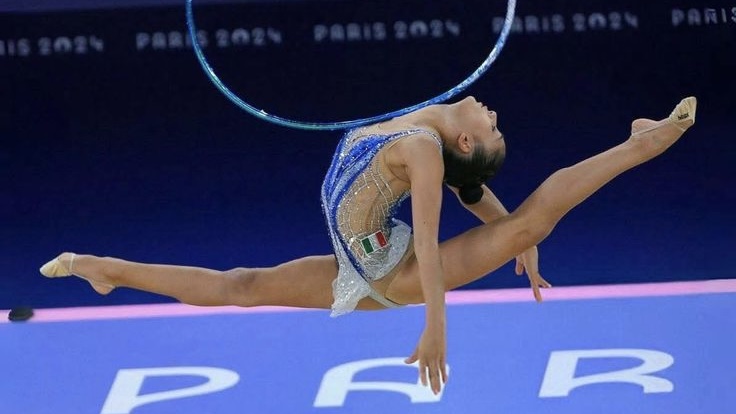
A strong example of effective choreography can be seen in Sofia Raffaeli’s routines. Her performances are known for their clarity and musical precision.
She uses transitions to connect elements seamlessly, avoiding empty spaces. Her movement matches the music closely, and she utilizes the full floor area with variety. Most importantly, her expression remains consistent, which enhances both artistic and technical impression.
For students, this demonstrates that high scores come not only from difficulty, but from how well the routine is constructed and performed as a whole.
Choreography should support your strengths and make every movement intentional. When gymnasts improve musicality, transitions, space usage, expression, and structure, their routines become more effective and score higher.
Small adjustments in choreography can make a significant difference — turning a routine from average into competitive.
Achieve More With VSA: Boost your skills with world-class coaches for just $29/hour. Personalized programs 24/7, 365 days a year, anywhere in the world.
By Vitalina Andrushchenko, Staff Writer
February 19, 2026
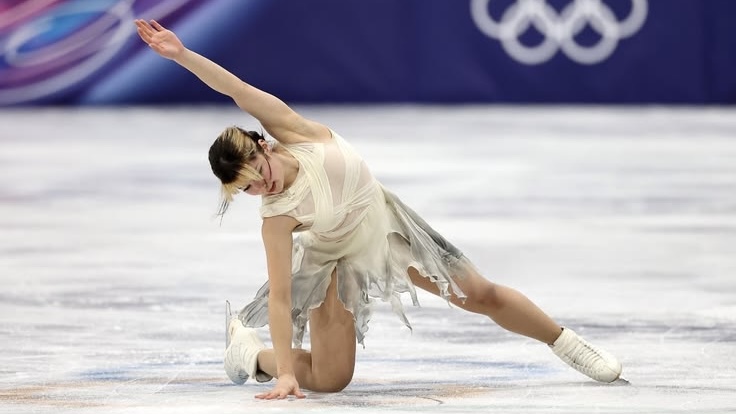
The Million-Dollar Medal: Alysa Liu’s Olympic Journey

December 25, 2025
Nancy Kerrigan’s $10 Million Legacy: Success Beyond the Ice
January 08, 2026
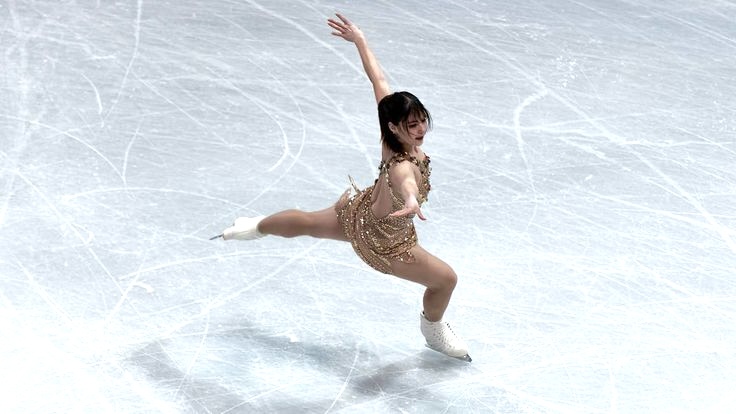
2026 U.S. Skating Nationals Results
Competition highlights, industry trends, expert opinions, and stories from athletes and artists worldwide — delivered straight to your inbox