 English
 中文 (中国)
 Español
February 19, 2026
The Million-Dollar Medal: Alysa Liu’s Olympic Journey
January 06, 2026

Hockey demands an incredible range of motion, power, and agility, yet many players often complain about feeling “locked up” or physically restricted. This stiffness isn’t just a minor annoyance; it can significantly hinder performance, increase injury risk, and limit a player’s long-term potential.
Scientific research into ice hockey biomechanics shows that the skating stride is unique. Unlike running, where the foot pushes primarily backward, the skating stride requires a lateral (side) push. This places the adductor muscles (inner thighs) and hip flexors under constant, high-level tension.
NHL trainers often refer to a phenomenon called “Adaptive Shortening.” This is a physiological process where muscle fibers physically shorten over the course of a season because players spend so much time in a crouched hockey stance. Your nervous system begins to recognize this shortened state as the “new normal” and limits your range of motion to protect the tight joints, resulting in that heavy, stiff feeling.
Top professional stars focus on “Tissue Quality” just as much as they focus on strength.
By addressing the biomechanical and physiological roots of stiffness, hockey players can move with more fluidity, generate more power, and extend their careers by staying injury-free.
Achieve More With VSA: Boost your skills with world-class coaches for just $29/hour. Perfect for skaters, hockey players, dancers, and athletes, VSA offers personalized training 24/7, 365 days a year, anywhere in the world.
By Vitalina Andrushchenko, Staff Writer
February 19, 2026
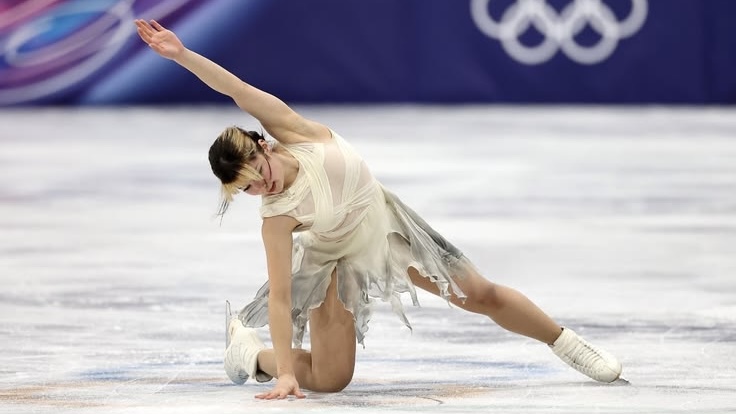
The Million-Dollar Medal: Alysa Liu’s Olympic Journey

December 25, 2025
Nancy Kerrigan’s $10 Million Legacy: Success Beyond the Ice
January 08, 2026
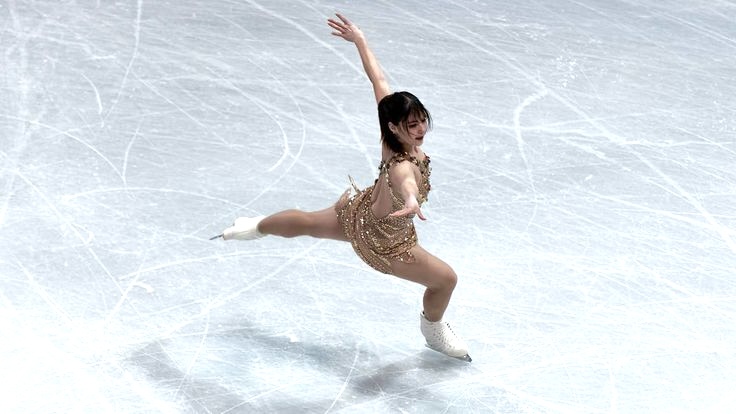
2026 U.S. Skating Nationals Results
Competition highlights, industry trends, expert opinions, and stories from athletes and artists worldwide — delivered straight to your inbox