Why 70% of Hockey Players Feel Stiff on the Ice

January 06, 2026

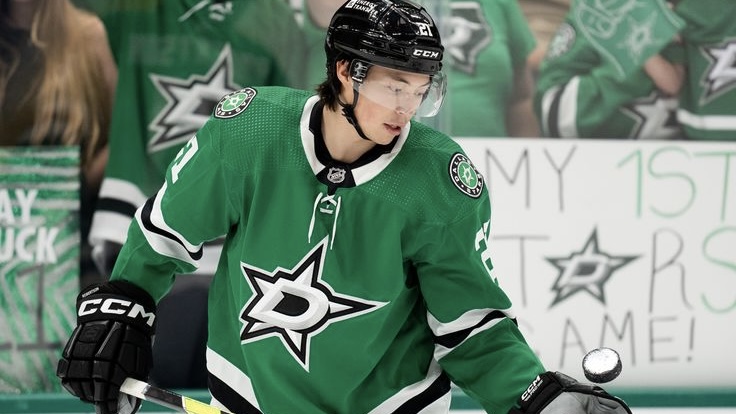
Jason Robertson © Pinterest

Hockey demands an incredible range of motion, power, and agility, yet many players often complain about feeling “locked up” or physically restricted. This stiffness isn’t just a minor annoyance; it can significantly hinder performance, increase injury risk, and limit a player’s long-term potential.

The Science of the “Hockey Hunch”

Scientific research into ice hockey biomechanics shows that the skating stride is unique. Unlike running, where the foot pushes primarily backward, the skating stride requires a lateral (side) push. This places the adductor muscles (inner thighs) and hip flexors under constant, high-level tension.

NHL trainers often refer to a phenomenon called “Adaptive Shortening.” This is a physiological process where muscle fibers physically shorten over the course of a season because players spend so much time in a crouched hockey stance. Your nervous system begins to recognize this shortened state as the “new normal” and limits your range of motion to protect the tight joints, resulting in that heavy, stiff feeling.

Common Culprits of Stiffness

  • Tight Hip Flexors: Constant hip flexion during skating shortens these muscles, leading to an anterior pelvic tilt and chronic lower back pain.
  • Adductor Tightness: Overworked inner thighs restrict the “recovery” phase of the stride, making skating feel choppy rather than fluid.
  • Limited Thoracic Spine (T-Spine) Mobility: The rounded “hockey hunch” posture restricts the upper back. If the T-spine can’t rotate, the body compensates by twisting the lower back, leading to injury.
  • The “Boot Effect”: Modern carbon-fiber skates are incredibly stiff. While great for power transfer, they act like a cast on the foot. This can cause Ankle Ischemia (reduced blood flow) and severely limit ankle dorsiflexion, which is essential for deep edge work and shock absorption.
© YouTube/ NHL

NHL Pro Tips: How the Greats Stay Fluid

Top professional stars focus on “Tissue Quality” just as much as they focus on strength.

  • The 2-to-1 Rule: For every hour of high-intensity skating, many NHL pros spend 30 minutes on mobility and soft tissue work, such as foam rolling or targeted massage.
  • Micro-Dosing Mobility: Instead of one long, exhausting stretching session, elite players perform 5–10 minutes of mobility work every single day to combat adaptive shortening.
  • Eccentric Loading: Pros use slow, controlled lowering movements in the gym. This “lengthens” the muscle under tension, building strength at the end of the range of motion where most injuries occur.

5 Steps to Reduce Stiffness

  1. Prioritize Dynamic Movement: Before putting on your skates, spend 10 minutes on leg swings, lunges with a twist, and gate openers. This wakes up the nervous system and lubricates the joints.
  2. Release the Hip Flexors: Use a foam roller or a lacrosse ball to target the front of the hips and the adductors for two minutes per side. This “resets” the muscle tension before the game.
  3. Activate Your Glutes: Stiffness often occurs because the glutes are “asleep,” forcing the lower back to take the load. Perform glute bridges or lateral band walks to ensure your primary power source is firing.
  4. Open the Thoracic Spine: Use “thread the needle” stretches or foam roller extensions to improve upper back mobility. Better rotation in your torso leads to a harder, more accurate shot.
  5. Hydrate with Electrolytes: Muscle stiffness can be chemical. Magnesium and potassium are critical for muscle relaxation. Drinking plain water isn’t enough; you need electrolytes to facilitate smooth muscle contractions and prevent cramping.

By addressing the biomechanical and physiological roots of stiffness, hockey players can move with more fluidity, generate more power, and extend their careers by staying injury-free.

Achieve More With VSA: Boost your skills with world-class coaches for just $29/hour. Perfect for skaters, hockey players, dancers, and athletes, VSA offers personalized training 24/7, 365 days a year, anywhere in the world.

By Vitalina Andrushchenko, Staff Writer 
February 19, 2026

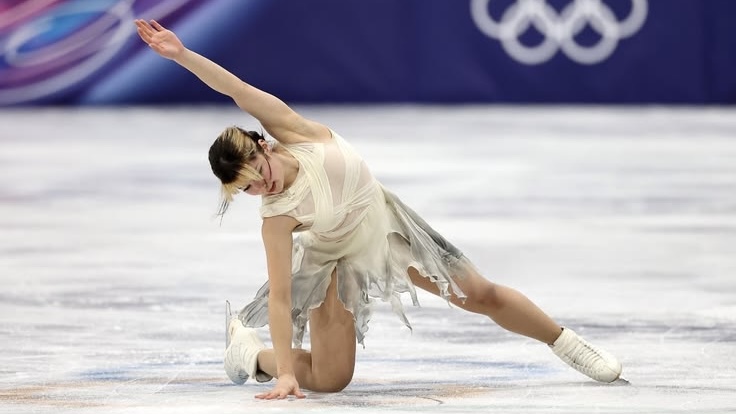
The Million-Dollar Medal: Alysa Liu’s Olympic Journey

December 25, 2025

Nancy Kerrigan’s $10 Million Legacy: Success Beyond the Ice
January 08, 2026

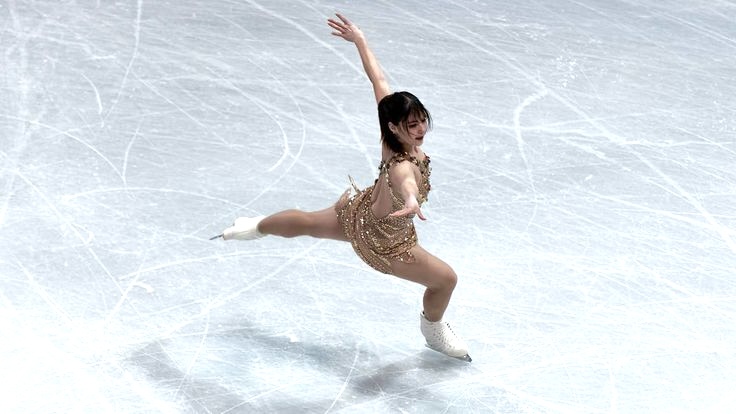
2026 U.S. Skating Nationals Results

Follow global sports and arts news curated by VSA

Competition highlights, industry trends, expert opinions, and stories from athletes and artists worldwide — delivered straight to your inbox