 English
 中文 (中国)
 Español
February 19, 2026
The Million-Dollar Medal: Alysa Liu’s Olympic Journey
March 25, 2025
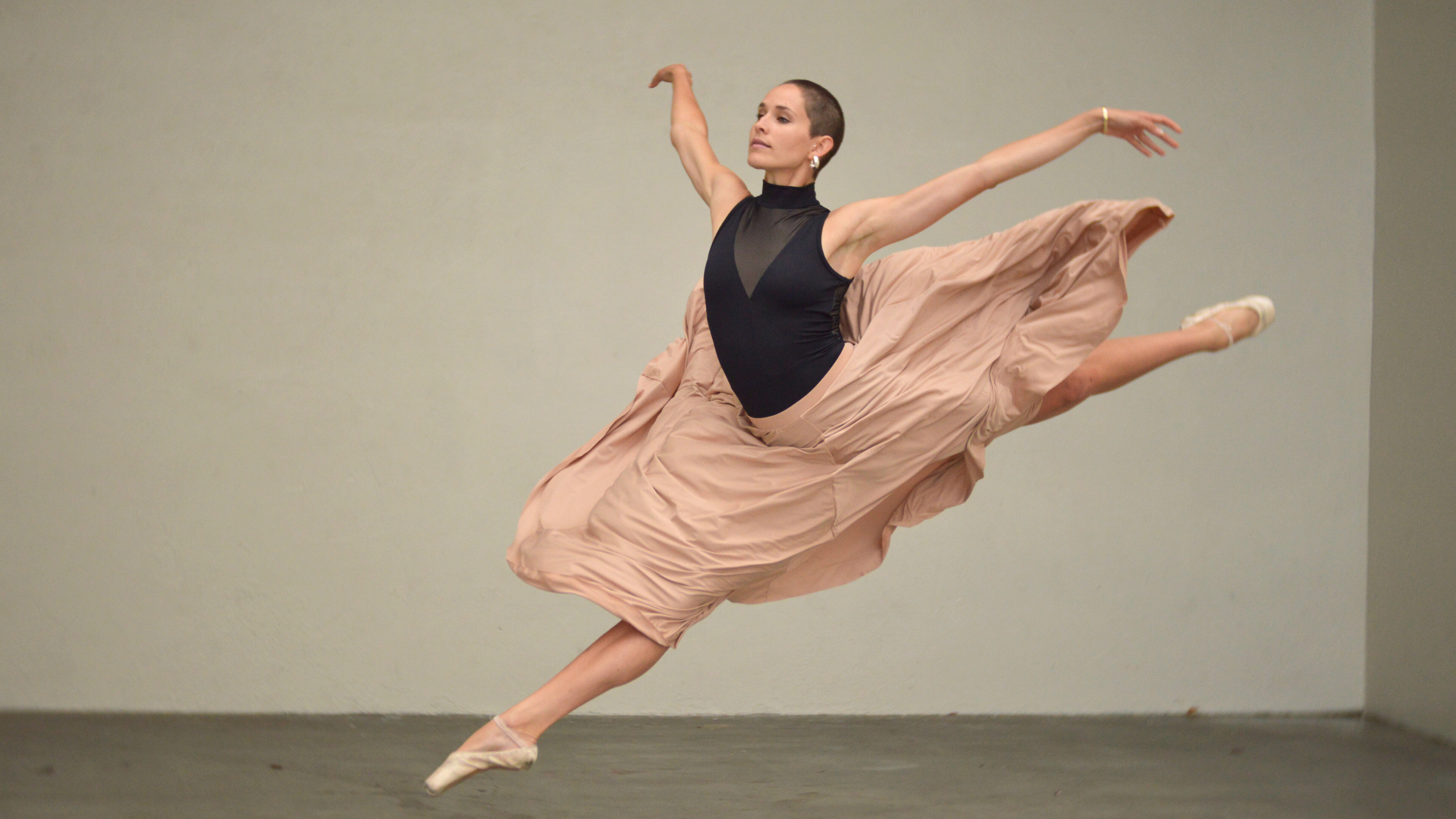
Ballet demands a rare blend of strength, stamina, and artistry, and behind every pirouette is a carefully crafted diet. A ballerina’s day isn’t just about rehearsals and routines—it’s about eating to sustain the relentless energy of a dancer’s life. Far from the outdated stereotype of starvation, today’s ballerinas nourish their bodies with precision, balancing nutrients to power through hours of practice while keeping light on their feet. Let’s peek into a typical day of meals for a ballerina, revealing how food becomes the unsung hero of their craft.
The day begins early, often around 7:30 a.m., with a breakfast that’s quick yet packed with staying power. A go-to might be Greek yogurt topped with fresh berries, a drizzle of honey, and a sprinkle of chia seeds. Pair that with a slice of whole-grain toast smeared with almond butter, and you’ve got a mix of protein, healthy fats, and slow-release carbs. A 2020 study in Nutrients highlights that this combo stabilizes blood sugar, crucial for the morning class ahead. Coffee or green tea often joins the plate, offering a gentle caffeine boost without jitters. For dancers like New York City Ballet’s Sara Mearns, breakfast is non-negotiable—“It’s my foundation,” she’s said—setting the tone for a grueling day.
By 10:30 a.m., after warm-ups or an hour at the barre, hunger creeps in. Ballerinas don’t wait—they snack smart. A handful of almonds (about 15-20) and a small apple are favorites, delivering protein, fiber, and a touch of natural sugar for a quick lift. Research from The Journal of Nutrition (2019) shows nuts improve satiety, keeping energy steady without weighing the stomach down. Some might swap the apple for a rice cake with a thin layer of avocado, a nod to healthy fats that fuel muscles without bloating. It’s portable, eaten in the studio’s corner, keeping them light for pliés and jumps.
Around 1:00 p.m., after morning rehearsals, lunch is the day’s anchor. A typical plate might feature grilled chicken or salmon (4-6 ounces) alongside quinoa and steamed broccoli drizzled with olive oil. This lean protein-carb-veggie trio rebuilds muscles and restores glycogen, per a 2021 Sports Medicine study, vital after hours of exertion. A side of sliced cucumber or a small kale salad with lemon vinaigrette adds hydration and vitamins. Dancers like Misty Copeland lean into colorful plates—“I eat the rainbow,” she’s noted—ensuring antioxidants combat inflammation from repetitive strain. Water or herbal tea washes it down, keeping bloat at bay for afternoon sessions.
By 4:00 p.m., with more rehearsals looming, a second snack bridges the gap. A banana with a teaspoon of peanut butter is a classic—potassium for muscle function, fats for endurance. Alternatively, a hard-boiled egg and a few whole-grain crackers offer protein and carbs in a pinch. A 2022 Journal of the International Society of Sports Nutrition study backs this: small, frequent meals enhance performance in high-intensity activities like ballet. It’s quick, eaten between costume changes or choreography notes, ensuring energy doesn’t dip when the choreographer calls “again.”
After a long day—often ending around 8:00 p.m.—dinner is about repair and relaxation. Picture a turkey or tofu stir-fry with brown rice, bell peppers, and spinach, seasoned lightly with soy sauce or ginger. This meal, rich in protein and micronutrients, aids muscle recovery, as noted in The American Journal of Clinical Nutrition (2020). A small sweet potato might join the mix, its complex carbs soothing the nervous system for sleep. Some ballerinas, like Royal Ballet’s Francesca Hayward, end with a square of dark chocolate—a treat that doubles as an antioxidant boost. Herbal tea, like chamomile, caps the night, easing them into rest.
Water isn’t a meal, but it’s a ballerina’s lifeline. Sipped steadily—aiming for 2-3 liters daily—it prevents dehydration from sweat-soaked rehearsals. A 2018 European Journal of Sport Science study links proper hydration to better focus and reduced fatigue, key for nailing choreography. Some add lemon or cucumber slices for flavor, while others carry electrolyte packets for intense days. It’s not glamorous, but it’s essential—every sip supports the next step.
A ballerina’s meals aren’t about restriction—they’re about rhythm. Small, frequent bites keep energy flowing without heaviness, tailored to a schedule that might stretch from dawn to dusk. Breakfast powers the start, snacks sustain the grind, lunch and dinner rebuild the body. It’s practical poetry: food as fuel, not foe. As Paris Opéra Ballet’s Aurélie Dupont once said, “I eat to dance, not to stop.” This daily dance of nutrition proves that grace on stage begins with what’s on the plate—a quiet habit that keeps ballerinas soaring.
By Vitalina Andrushchenko, Staff Writer
February 19, 2026
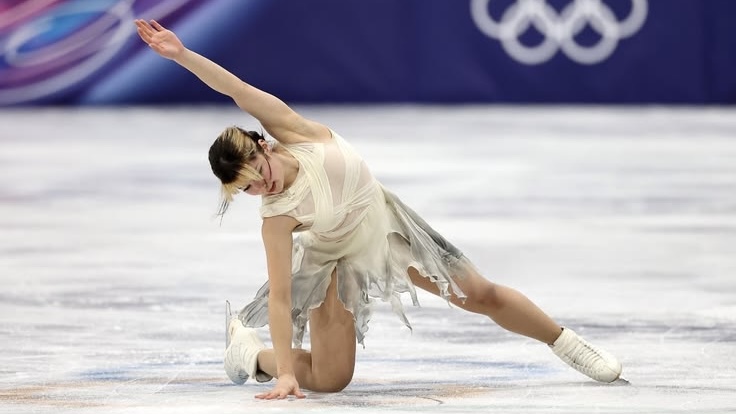
The Million-Dollar Medal: Alysa Liu’s Olympic Journey

December 25, 2025
Nancy Kerrigan’s $10 Million Legacy: Success Beyond the Ice
January 08, 2026
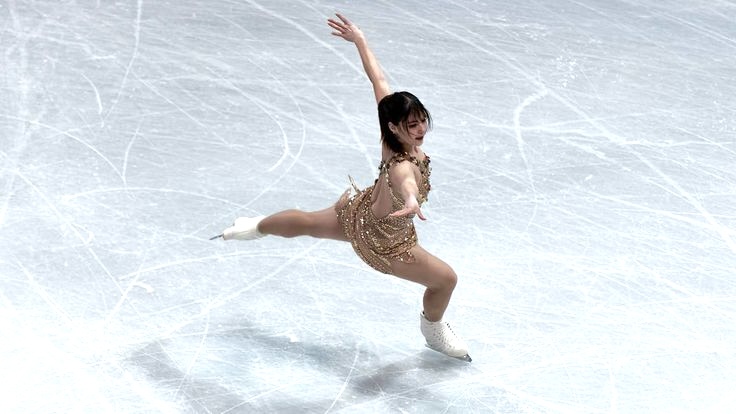
2026 U.S. Skating Nationals Results
Competition highlights, industry trends, expert opinions, and stories from athletes and artists worldwide — delivered straight to your inbox