
 English
 中文 (中国)
 Español
February 19, 2026
The Million-Dollar Medal: Alysa Liu’s Olympic Journey
May 19, 2026
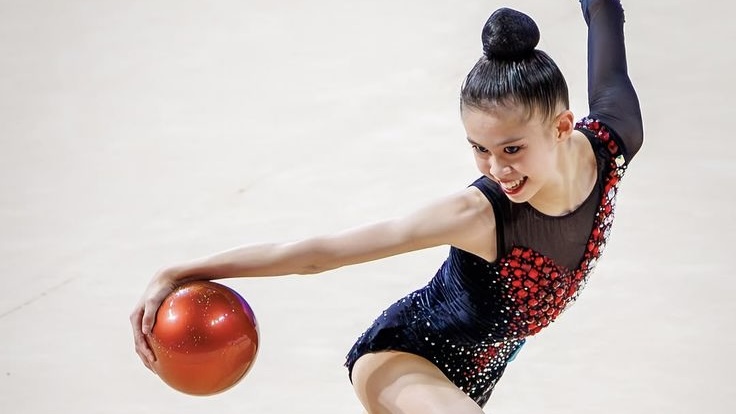
Akmaral Yerekesheva © Pinterest
Akmaral Yerekesheva recently captured gold in the individual all-around competition at the Kazakhstan Rhythmic Gymnastics Championships in Astana, confirming her position as one of the country’s most promising rhythmic gymnasts.
The national championships brought together many of Kazakhstan’s top athletes, making the victory especially important. Aibota Yertaikyzy earned silver, while Aiym Meirzhanova completed the podium in third place.
For Yerekesheva, this result represents more than a national title — it reflects the rapid growth of a gymnast who is becoming increasingly recognized inside the international rhythmic gymnastics community.
Over the past decade, Kazakhstan has steadily strengthened its presence in rhythmic gymnastics. The country continues developing strong junior and senior athletes capable of competing internationally against traditionally dominant rhythmic gymnastics nations.
Competitions like the national championships in Astana help showcase the depth of talent now emerging throughout the country. Strong regional performances from Astana, East Kazakhstan, Almaty, and Shymkent also demonstrated how competitive the national program has become.
This environment creates important experience for athletes preparing for larger international stages.
One reason Yerekesheva has attracted attention is her combination of technical precision and calm presentation quality during routines.
In rhythmic gymnastics, athletes must balance difficult apparatus handling with artistry, musicality, flexibility, and body control. Many young gymnasts struggle to maintain composure under pressure, especially during all-around competitions where consistency matters across multiple apparatus.
Yerekesheva’s performances, however, often appear controlled and focused even during high-pressure moments. This stability is an important quality for gymnasts hoping to transition successfully into higher-level international competition.
Another important aspect of Yerekesheva’s development is the apparent consistency of her basics.
In rhythmic gymnastics, long-term success is rarely based only on extreme flexibility or difficult tricks. High-level athletes usually stand out because of clean apparatus technique, body alignment, timing, and the ability to maintain routine quality under competitive stress.
Gymnasts who develop strong fundamentals early often adapt more successfully as routine difficulty increases later in their careers.
National championships can sometimes feel even more stressful than international events.
Athletes are not only competing for medals, but also for future team selections, coaching recognition, and opportunities to represent their country abroad. Small mistakes can heavily affect rankings in rhythmic gymnastics, where precision is judged very closely.
Winning the all-around title under this type of pressure demonstrates strong mental control as well as technical preparation.
The championships also highlighted Kazakhstan’s growing strength in group exercises and team events.
Astana finished first in both group exercises and the team all-around standings, while East Kazakhstan, Almaty, and Shymkent also showed strong results. This growing depth across multiple regions is important for the long-term future of Kazakhstan rhythmic gymnastics.
A strong national system often creates healthier competition internally, which helps athletes improve faster before entering international tournaments.
Yerekesheva’s victory also reflects the emergence of a younger generation of gymnasts aiming to raise Kazakhstan’s international profile in rhythmic gymnastics.
As the sport continues evolving with greater technical difficulty and artistic demands, younger athletes are entering competition with increasingly advanced preparation from early ages.
National victories like this often become important milestones in building confidence and experience before larger continental and world-level events.
At a time when rhythmic gymnastics continues becoming more competitive globally, athletes like Akmaral Yerekesheva represent the future direction of Kazakhstan’s program.
Her national championship gold in Astana may become an important step toward even bigger international opportunities in the coming seasons.
For many fans of rhythmic gymnastics, performances like these are also a reminder that the next generation of elite athletes is already beginning to emerge.
Achieve More With VSA: Boost your skills with world-class coaches for just $29/hour. Personalized programs 24/7, 365 days a year, anywhere in the world.
By Vitalina Andrushchenko, Staff Writer
February 19, 2026
The Million-Dollar Medal: Alysa Liu’s Olympic Journey

December 25, 2025
Nancy Kerrigan’s $10 Million Legacy: Success Beyond the Ice
January 08, 2026
2026 U.S. Skating Nationals Results
Competition highlights, industry trends, expert opinions, and stories from athletes and artists worldwide — delivered straight to your inbox