
 English
 中文 (中国)
 Español
February 19, 2026
The Million-Dollar Medal: Alysa Liu’s Olympic Journey
July 06, 2025
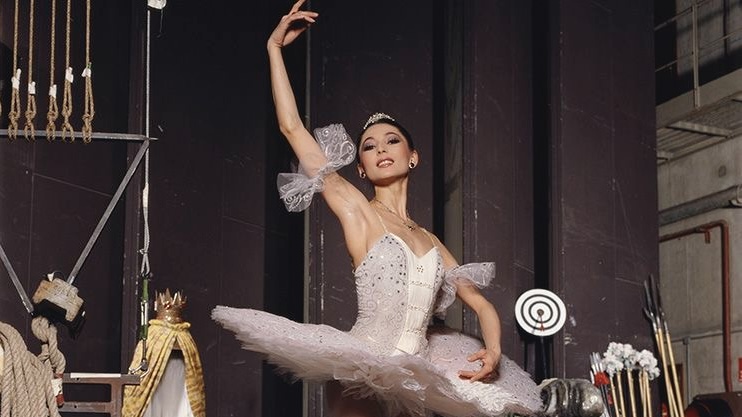
Altynai Asylmuratova © Pinterest
In the constellation of global ballet, Altynai Asylmuratova shines as Kazakhstan’s most celebrated ballerina. Born on January 1, 1961, in Almaty, she rose from a theatrical family to become a prima ballerina with the Kirov Ballet (now Mariinsky Theatre), an international guest artist, and a transformative figure in ballet education. Her journey, marked by grace, technical brilliance, and cultural pride, has left an indelible mark on the world stage, elevating Kazakhstan’s presence in the arts.
Asylmuratova’s path to stardom was shaped by her family’s deep ties to ballet. Her parents, graduates of the Leningrad Choreographic School, instilled a passion for dance; her father, Abduakhim Asylmuratov, was a soloist at Almaty’s Abay Opera House and later artistic director of the Almaty Choreographic School, while her grandfather served as chief choreographer at the Kazakh National Conservatory. Born into this artistic lineage, Asylmuratova began training at the Almaty Choreographic School before moving to Leningrad (now St. Petersburg) to study at the prestigious Vaganova Academy. Under the tutelage of Inna Zubkovskaya, she honed her technique, graduating in 1978 and joining the Kirov Ballet’s corps de ballet.
Asylmuratova’s ascent was swift. By 1980, she was a soloist at the Kirov, and from 1987 to 1999, she held the coveted title of prima ballerina. Her performances in classical ballets like Swan Lake, The Sleeping Beauty, Giselle, Don Quixote, and La Bayadère were lauded for their elegance and emotional depth. Her work with choreographers like Mikhail Fokine (The Firebird, Les Sylphides), George Balanchine, and Roland Petit showcased her versatility, blending Soviet precision with expressive artistry. Asylmuratova’s international career flourished with guest appearances at the Royal Ballet (1989–1993), Paris Opera Ballet, and Roland Petit’s company, earning acclaim for her beauty and technical prowess. Her 1999 performance as Carmen in Petit’s ballet won her the “Golden Soffit” theatre prize, cementing her global reputation.
Asylmuratova’s international success brought Kazakhstan into the spotlight. Unlike many Soviet-era dancers, she gained greater recognition abroad, performing at iconic venues like La Scala, Covent Garden, and the Metropolitan Opera. Her 1988 duet in Maurice Béjart’s Heliogabale with Farukh Ruzimatov was a highlight, showcasing her ability to bridge classical and contemporary styles. Her Kazakh heritage remained a source of pride, and she often spoke of her roots, inspiring young dancers in her homeland. Posts on X highlight Kazakhstan’s growing ballet scene, with talents like Shugyla Adepktan at Astana Ballet continuing her legacy. Asylmuratova’s global tours during the Soviet era and beyond helped project Kazakhstan’s cultural contributions, countering the Moscow-centric narrative of Soviet ballet.
After retiring from the stage, Asylmuratova turned to leadership and education. From 2000 to 2013, she served as artistic director of the Vaganova Academy, nurturing talents like Svetlana Zakharova. A 2013 conflict with the new rector, Nikolai Tsiskaridze, led to her resignation, but she quickly joined the Mikhailovsky Theatre as an advisor before returning to Kazakhstan. In 2015, she became artistic director of the Astana Opera’s ballet company, and in 2016, she was appointed rector of the Kazakhstan Academy of Choreography, roles she continues to hold. Her leadership has strengthened Kazakhstan’s ballet infrastructure, with government investment fueling world-class schools and theatres, as noted by former senator Svetlana Dzhalmagambetova. Asylmuratova’s emphasis on blending Kazakh national dance with classical and contemporary styles echoes calls for a unique national ballet identity.
Asylmuratova’s influence extends beyond her performances. As Kazakhstan’s first globally recognized ballerina, she broke barriers in a male-dominated field, inspiring women like Aigerim Beketayeva, who starred at the London Coliseum in 2014. Her work has elevated ballet’s popularity among both Kazakh- and Russian-speaking communities, fostering cultural unity in a nation where 20% of the population is ethnic Russian. Her contributions align with Kazakhstan’s broader cultural revival, seen in events like the Astana Tango Festival and performances by the Bardic Divas, reflecting a commitment to diverse artistic expression., Asylmuratova’s legacy is also personal—she is married to Konstantin Zaklinsky, a former Kirov dancer, and their daughter, Anastasia, continues the family’s artistic tradition.
Altynai Asylmuratova’s journey from Almaty to the world’s greatest stages embodies resilience, artistry, and cultural pride. As a prima ballerina, she captivated audiences with her grace and versatility; as an educator, she has shaped ballet’s future in Kazakhstan and beyond. Her legacy, rooted in her Kazakh heritage and amplified by her global impact, continues to inspire dancers and audiences, proving that talent from the steppe can resonate worldwide. As Kazakhstan’s ballet scene thrives, Asylmuratova remains its brightest star, a trailblazer who danced her way into history.
Achieve More With VSA: Boost your skills with world-class coaches for just $29/hour. Perfect for skaters, hockey players, dancers, and athletes, VSA offers personalized training 24/7, 365 days a year, anywhere in the world.
By Vitalina Andrushchenko, Staff Writer
February 19, 2026
The Million-Dollar Medal: Alysa Liu’s Olympic Journey

December 25, 2025
Nancy Kerrigan’s $10 Million Legacy: Success Beyond the Ice
January 08, 2026
2026 U.S. Skating Nationals Results
Competition highlights, industry trends, expert opinions, and stories from athletes and artists worldwide — delivered straight to your inbox