 English
 中文 (中国)
 Español
February 19, 2026
The Million-Dollar Medal: Alysa Liu’s Olympic Journey
June 20, 2026
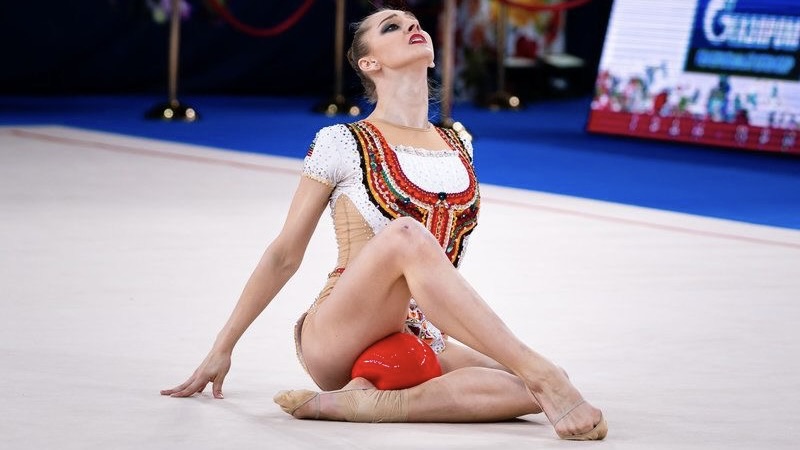
In rhythmic gymnastics, athletes spend countless hours learning how to create beautiful, high ball throws. However, many routines lose valuable points not during the throw itself, but during what happens afterward.
A high throw is only successful if the gymnast can maintain control throughout the entire element, including the catch.
The higher the ball travels, the more time there is for small technical errors to develop. This is why coaches often focus just as much on the catch as they do on the release.
One of the most common mistakes occurs when gymnasts delay finding the ball in the air. Some athletes focus so much on completing body difficulty or choreography that they wait too long before locating the apparatus.
As a result, they may rush the final adjustment before the catch. Experienced gymnasts usually track the ball early and continuously while completing the required movement underneath it.
Many beginners successfully perform the throw but suddenly stop moving while waiting for the ball to come down. This often creates tension and reduces coordination.
Instead of freezing, gymnasts should continue moving naturally and stay prepared to adjust their position. A catch is easier when the body remains active and balanced.
Another frequent error is moving too early and positioning directly underneath the ball before its flight path is fully understood. Even a slight change in trajectory can make the catch uncomfortable.
Elite gymnasts typically make small adjustments throughout the flight rather than committing to one position too soon. This allows them to react more effectively.
Many athletes become nervous during difficult throws and prepare for the catch with rigid arms and shoulders. This often causes the ball to bounce off the hands or become difficult to control.
Soft hands and relaxed shoulders help absorb the ball’s momentum more effectively. The catch should feel controlled rather than forced.
Some gymnasts treat the catch as the end of the skill. In reality, the routine continues immediately afterward.
Strong performers are already thinking about the next movement, pivot, leap, or apparatus element before the catch even happens. This creates smoother routines and better continuity.
Judges often notice not only whether the gymnast catches the ball, but also how the catch is performed.
A secure catch with good posture, confidence, and immediate continuation of movement creates a much stronger impression than a catch that appears tense or uncertain.
Two athletes may complete the same throw successfully, but the quality of the catch can make a significant difference in overall execution.
(Source: FIG Rhythmic Gymnastics Code of Points)
High throws require excellent body control. Sometimes gymnasts focus entirely on the apparatus and forget about maintaining posture.
When core engagement decreases, balance problems often appear during the catch. Strong posture throughout the throw and flight phase helps create more reliable catches.
Many athletes perform difficult throws successfully in training but struggle during competitions.
One reason is that they rarely practice under realistic pressure. Competition nerves can affect timing, visual tracking, and coordination. Including routine simulations and pressure training can improve consistency.
Gymnasts can improve by:
Practicing visual tracking throughout the throw, maintaining movement during flight, strengthening core stability, keeping shoulders relaxed, performing catches while tired, simulating competition conditions, and repeating successful catches with consistent technique.
Small improvements in these areas often produce noticeable results.
A strong example of excellent ball handling can be seen in Boryana Kaleyn, the Olympic silver medallist from Bulgaria.
When analyzing her ball routines, one of the most noticeable qualities is how calm she remains during very high throws. Rather than rushing underneath the apparatus, she continuously tracks the ball while maintaining elegant body movement. This allows her to make small corrections before the catch instead of large last-second adjustments.
Another important technical detail is her arm position during catches. Kaleyn rarely appears tense. Her shoulders remain relaxed and her hands absorb the ball smoothly, making difficult catches look effortless. Young gymnasts often focus on the height of the throw, but Kaleyn demonstrates that control after the throw is what truly creates world-class execution.
Fear and hesitation are common after very high throws. When athletes doubt themselves, they often make unnecessary adjustments or tense their body.
Confidence comes from repetition and preparation. The more successful catches a gymnast performs in training, the more natural the skill feels during competition.
The throw may attract the audience’s attention, but the catch often determines the quality of the element.
Many mistakes occur after the ball leaves the gymnast’s hands, not before.
By improving tracking, movement, posture, relaxation, and confidence, athletes can turn difficult high throws into reliable and impressive parts of their routines.
The best rhythmic gymnasts do not simply throw the ball high—they remain in control from the moment it leaves their hands until the moment it is caught again.
Achieve More With VSA: Boost your skills with world-class coaches for just $29/hour. Personalized programs 24/7, 365 days a year, anywhere in the world.
By Vitalina Andrushchenko, Staff Writer
February 19, 2026
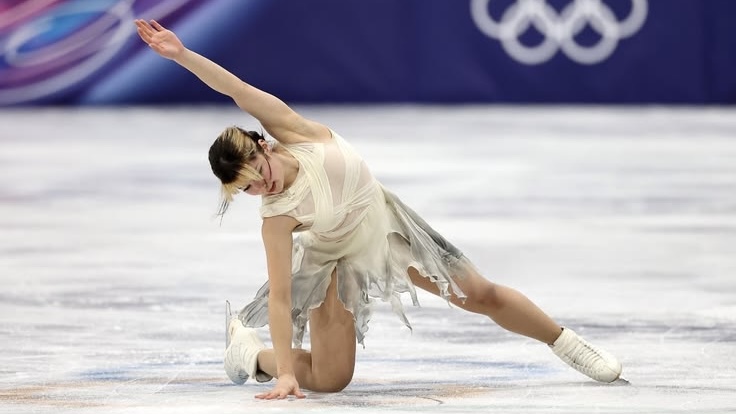
The Million-Dollar Medal: Alysa Liu’s Olympic Journey

December 25, 2025
Nancy Kerrigan’s $10 Million Legacy: Success Beyond the Ice
January 08, 2026
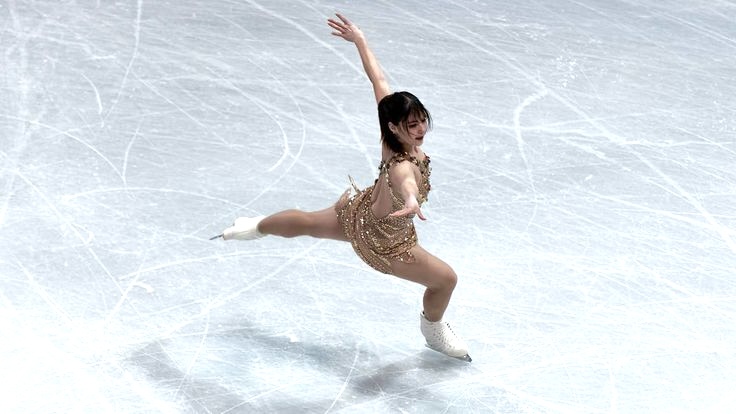
2026 U.S. Skating Nationals Results
Competition highlights, industry trends, expert opinions, and stories from athletes and artists worldwide — delivered straight to your inbox