
 English
 中文 (中国)
 Español
February 19, 2026
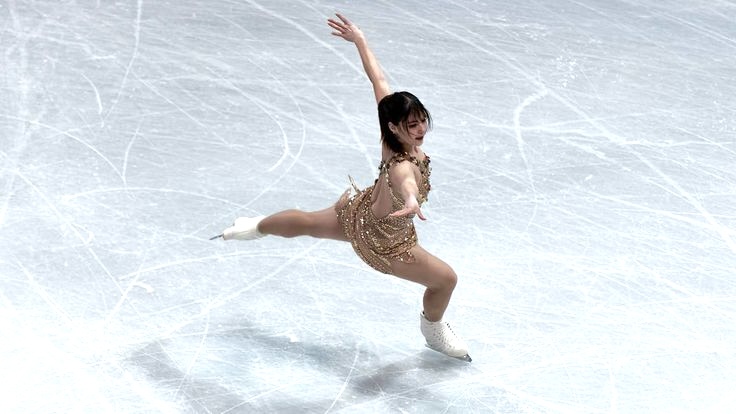
The Million-Dollar Medal: Alysa Liu’s Olympic Journey
July 03, 2026

Many beginning actors believe that good acting means showing strong emotions. They cry louder, speak more dramatically, or exaggerate facial expressions because they think visible emotion automatically creates a believable performance.
Professional actors know the opposite is often true. Audiences connect more deeply with emotional truth than emotional display. A character does not need to look emotional every second for the audience to feel what they are experiencing. In many scenes, genuine internal emotion creates a much stronger impact than obvious outward expression.
Emotional truth means responding honestly to the circumstances of the scene.
Instead of trying to “act sad” or “act angry,” actors focus on what their character wants, what stands in the way, and how they naturally react. The emotion becomes a result of the character’s objective rather than something performed for the audience.
This approach creates performances that feel authentic because the actor is living through the situation instead of demonstrating an emotion.
Emotional display focuses on making emotions visible.
An actor may force tears, raise their voice unnecessarily, add dramatic gestures, or exaggerate facial expressions simply to show the audience how the character feels.
Although emotional display can occasionally suit certain theatrical styles or highly stylized performances, excessive display often feels artificial on camera, where small details are magnified through close-up shots.
The camera notices everything.
A slight change in breathing, a brief pause, or a subtle movement of the eyes can communicate more than exaggerated gestures. This is one reason film acting often appears quieter than stage acting.
Instead of projecting emotions to the back row of a theater, screen actors trust the camera to capture genuine thoughts and reactions.
Cillian Murphy is frequently praised for performances built on emotional truth rather than dramatic display.
In films such as Oppenheimer, much of his performance relies on silence, restrained facial expressions, and subtle physical behavior. Instead of constantly expressing emotion outwardly, Murphy allows the audience to observe the character’s internal conflict through small, believable reactions.
His performance demonstrates that emotional intensity often comes from what the actor is thinking rather than from how dramatically they behave. This natural approach creates deeper emotional engagement because viewers actively interpret the character’s inner life instead of simply watching emotions being presented.
Actors sometimes focus so much on delivering their own lines that they stop genuinely listening.
Real emotion often appears during moments of listening rather than speaking. When actors react honestly to their scene partners instead of anticipating their next line, performances become more spontaneous and believable.
Many memorable scenes are built on authentic reactions rather than carefully planned emotional moments.
Human emotions are often complicated.
People rarely express every feeling openly in real life. They may smile while hiding disappointment or remain calm despite feeling frightened. Bringing these contradictions into a performance makes characters feel more realistic.
Audiences enjoy discovering emotions beneath the surface instead of having every feeling explained through exaggerated acting.
Psychological studies suggest that people naturally pay close attention to subtle facial expressions and small changes in body language when interpreting emotions. Even slight movements around the eyes or mouth can communicate meaningful emotional information without obvious gestures.
This explains why understated performances can feel surprisingly powerful, especially in film and television.
(Source: American Psychological Association)
Actors can strengthen emotional truth by focusing on objectives instead of emotions, carefully listening to scene partners, observing real people in everyday situations, practicing scenes with minimal gestures, and asking whether each reaction feels honest rather than impressive.
Recording rehearsals can also help actors recognize moments where emotions appear forced instead of naturally developing from the scene.
Strong acting is not measured by how emotional a performance looks.
It is measured by whether the audience believes the character’s experience. Emotional truth invites viewers into the character’s inner world, while emotional display simply shows them an emotion.
The most memorable performances often rely on honesty, careful listening, and genuine human behavior. When actors stop trying to appear emotional and instead fully experience the circumstances of the scene, authentic emotion naturally follows.
Achieve More With VSA: Boost your skills with world-class coaches for just $29/hour. Personalized programs 24/7, 365 days a year, anywhere in the world.
By Vitalina Andrushchenko, Staff Writer

February 19, 2026
The Million-Dollar Medal: Alysa Liu’s Olympic Journey
January 08, 2026
2026 U.S. Skating Nationals Results

February 21, 2026
A Guide to Rhythmic Gymnastics Apparatus
Competition highlights, industry trends, expert opinions, and stories from athletes and artists worldwide — delivered straight to your inbox