 English
 中文 (中国)
 Español
February 19, 2026
The Million-Dollar Medal: Alysa Liu’s Olympic Journey
May 23, 2026
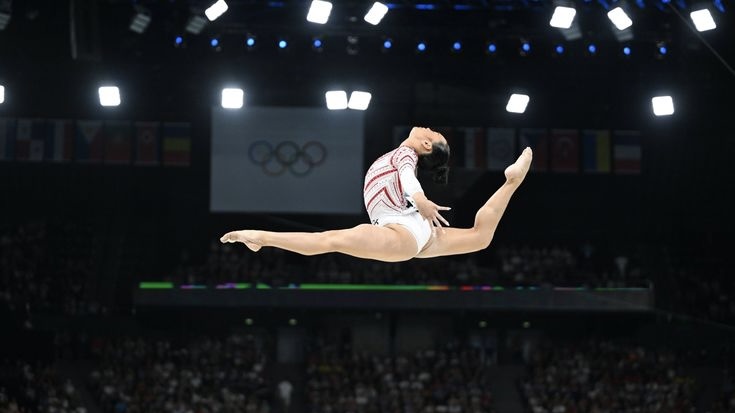
For many artistic gymnasts, summer training is one of the hardest parts of the year mentally.
During competition season, athletes usually have clear goals, upcoming meets, team events, and adrenaline from performances. Summer training often feels completely different. The days become repetitive, conditioning increases, and progress may seem slower because athletes are rebuilding fundamentals instead of performing routines on stage.
This is why many gymnasts struggle with motivation during the off-season even if they still love the sport deeply.
Young gymnasts often believe elite athletes stay motivated all the time. In reality, even high-level gymnasts experience periods of frustration, exhaustion, and mental fatigue during summer preparation.
The difference is that experienced athletes usually learn how to continue training consistently even when motivation feels lower. They rely more on discipline, habits, and long-term goals rather than waiting to “feel inspired” every day.
This mindset becomes especially important in sports like gymnastics where technical progress takes years.
One reason summer training feels difficult is because large goals can seem very far away.
Many successful gymnasts therefore focus on smaller short-term improvements instead of constantly thinking about future competitions. Improving one connection on beam, cleaning handstand alignment, increasing vault power, or stabilizing landings can create daily motivation even during long training months.
Breaking large goals into smaller technical achievements often makes progress feel more visible and manageable psychologically.
For example, Suni Lee has spoken publicly about how difficult long training periods can become physically and mentally, especially after major competitions. Like many elite gymnasts, she has needed periods focused heavily on rebuilding consistency, basics, and confidence rather than constantly chasing difficult new skills.
One important lesson from elite gymnastics is that top athletes do not spend every training session performing only their biggest tricks. Much of summer training is often dedicated to conditioning, body preparation, repetition, and refining technique. These quieter training periods are usually what create stability later during competition season.
The atmosphere inside a gym strongly affects athlete motivation.
Supportive teammates, positive coaching communication, and healthy training structure often help gymnasts maintain stronger mental energy during difficult summer months. Athletes usually stay more motivated when they feel improvement is recognized rather than only mistakes being criticized constantly.
Even small moments — successful routines, encouragement from teammates, or finally mastering a difficult correction — can significantly improve confidence during long training periods.
Summer training has also changed because of social media.
Many gymnasts now constantly see videos of difficult new skills online, which sometimes creates pressure to improve faster than their own body is ready for. Comparing progress to other athletes can make normal slow improvement feel frustrating.
However, many experienced coaches emphasize that long-term gymnastics development rarely happens through constant rushing. Stable technique, strength, and recovery usually matter far more than learning difficult skills quickly for social media attention.
Many athletes think motivation problems mean they are becoming lazy. In reality, mental exhaustion often appears when recovery becomes insufficient.
Summer gymnastics training can involve many hours of conditioning, repetition, and impact on the body. Without proper rest, sleep, and recovery, athletes may feel emotionally drained even if they still care deeply about the sport.
Maintaining motivation therefore often depends not only on mindset, but also on physical recovery and overall health.
Interestingly, motivation frequently returns once athletes begin noticing improvement again.
A cleaner routine, stronger tumbling pass, more stable bars connection, or improved flexibility can suddenly remind gymnasts why they enjoy training in the first place.
Progress in gymnastics is rarely completely linear. Some periods feel exciting and fast, while others feel repetitive and slow. Many successful athletes learn to stay patient during quieter phases because they understand those periods are still building future results.
Summer training teaches gymnasts much more than physical skills.
It develops patience, discipline, emotional control, and the ability to continue working even without immediate rewards. These qualities often become just as important as talent itself in high-level artistic gymnastics.
Behind every polished competition routine are usually months of repetitive summer practices that audiences never see.
Achieve More With VSA: Boost your skills with world-class coaches for just $29/hour. Personalized programs 24/7, 365 days a year, anywhere in the world.
By Vitalina Andrushchenko, Staff Writer
February 19, 2026
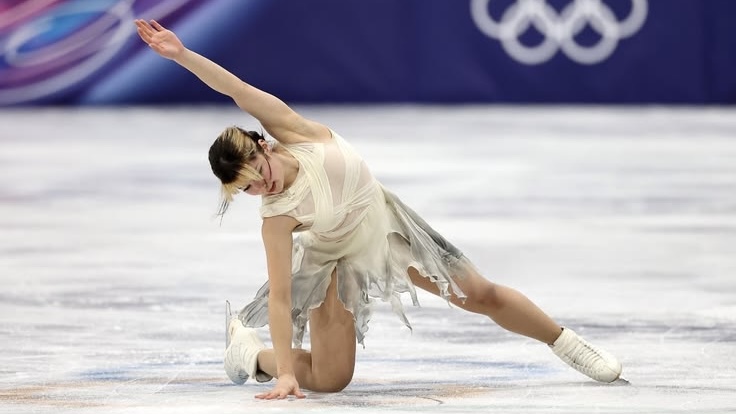
The Million-Dollar Medal: Alysa Liu’s Olympic Journey

December 25, 2025
Nancy Kerrigan’s $10 Million Legacy: Success Beyond the Ice
January 08, 2026
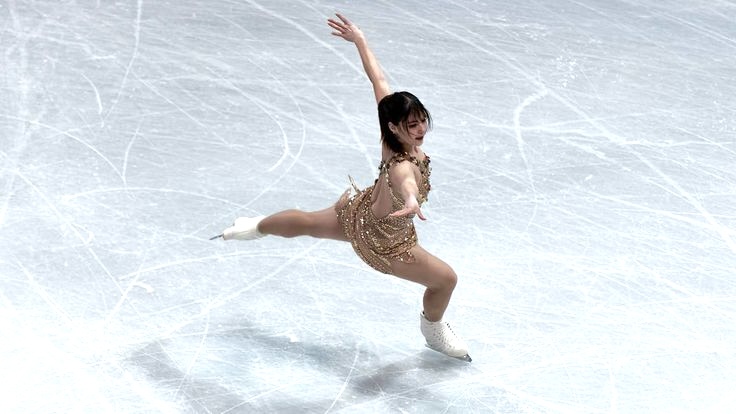
2026 U.S. Skating Nationals Results
Competition highlights, industry trends, expert opinions, and stories from athletes and artists worldwide — delivered straight to your inbox