 English
 中文 (中国)
 Español
February 19, 2026
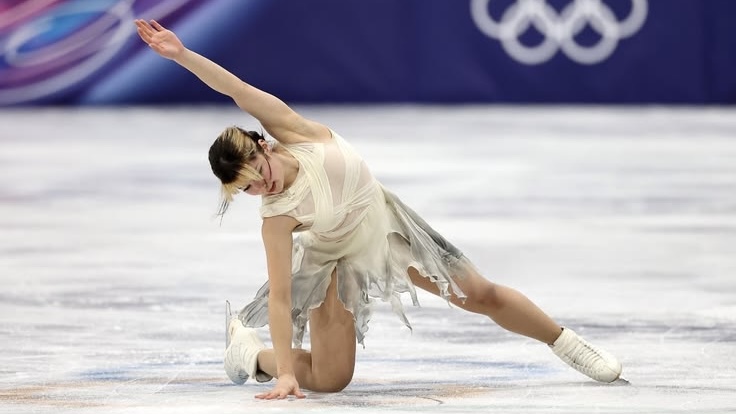
The Million-Dollar Medal: Alysa Liu’s Olympic Journey
March 15, 2025
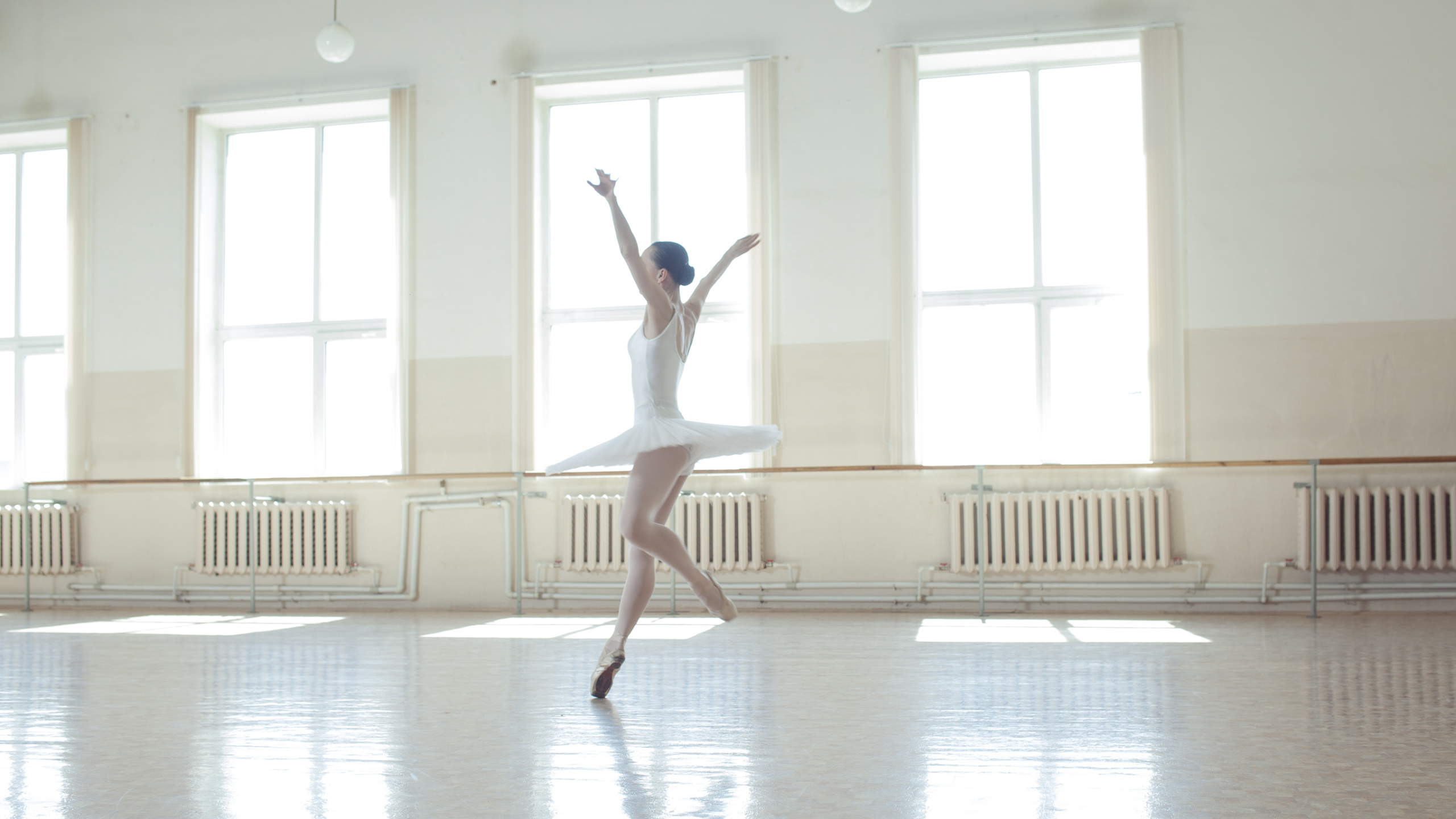
Ballerinas captivate audiences with their elegance, strength, and seemingly effortless posture. Behind the scenes, however, maintaining that iconic stance—shoulders back, spine elongated, and head poised—is the result of rigorous training, biomechanics, and a deep understanding of the body. From childhood conditioning to daily habits, here’s how ballerinas build and sustain the posture that defines their craft, blending scientific principles with artistic discipline.
At the heart of a ballerina’s posture lies an exceptionally strong core. The deep abdominal muscles, particularly the transverse abdominis, along with the obliques and pelvic floor, act like an internal corset. A 2017 study in the Journal of Dance Medicine & Science found that dancers exhibit significantly greater core stability than non-dancers, enabling them to maintain alignment under dynamic loads—like pirouettes or lifts.
Ballet training emphasizes exercises like planks and Pilates-inspired movements to target these muscles. “The core is everything,” says Maria Kowroski, a former principal dancer with the New York City Ballet. “It’s what holds you up when your legs are screaming and your arms are trembling.” This strength allows ballerinas to resist slumping, keeping their torsos lifted even after hours of rehearsal.
Ballet begins with alignment, and posture is drilled into dancers from their first plié. The spine’s natural curves—cervical, thoracic, and lumbar—are subtly adjusted to create a long, straight line without losing flexibility. Instructors use imagery like “imagine a string pulling you up from the crown of your head” to reinforce this elongation.
A 2020 study in Physical Therapy in Sport highlights how dancers develop enhanced proprioception—the body’s ability to sense its position in space—through repetitive alignment drills. This heightened awareness helps ballerinas maintain a vertical spine, even when balancing en pointe or extending into an arabesque. Over years, this becomes second nature, etched into muscle memory.
Ballerinas’ posture isn’t just about the upper body—it begins with their feet. Pointe work, where dancers balance on the tips of their toes, demands extraordinary foot and ankle strength. The intrinsic foot muscles, along with the calves and Achilles tendon, stabilize the body’s base. A 2019 study in Foot & Ankle International found that ballet dancers have denser foot musculature than the average person, honed by years of relevés (rising onto the toes).
This foundation anchors their posture. Weak feet lead to compensatory slouching higher up the chain—knees buckle, hips tilt, and shoulders round. By strengthening their feet, ballerinas ensure the entire body stays aligned, like a skyscraper built on solid ground.
Breathing might seem unrelated to posture, but for ballerinas, it’s a secret weapon. Diaphragmatic breathing—deep, controlled inhales that expand the ribcage—supports the spine and keeps the chest open. “You can’t hold a position if you’re holding your breath,” explains American Ballet Theatre’s Isabella Boylston. A 2018 study in Respiratory Physiology & Neurobiology showed that proper breathing enhances spinal stability by engaging the diaphragm and surrounding muscles.
Balance, too, is critical. Standing on one leg in a passé or performing a slow développé requires the body to micro-adjust constantly. These adjustments rely on the vestibular system (inner ear) and visual cues, fine-tuned through years of barre work. The result? A posture that looks serene but is dynamically active.
Ballet studios are lined with mirrors, and they’re not just for vanity. Dancers use them to self-correct posture in real time, catching subtle slumps or misalignments. A 2021 study in Psychology of Sport and Exercise found that visual feedback accelerates motor learning, helping dancers internalize ideal positioning.
Beyond the physical, posture is a mindset. Ballerinas cultivate a mental image of strength and grace, projecting confidence even when exhausted. “You fake it till you make it,” laughs Kowroski. “Eventually, standing tall feels like who you are.”
Maintaining posture isn’t confined to class. Ballerinas stretch daily—hamstrings, hip flexors, and chest openers—to counteract the tightness that could pull their shoulders forward. Many practice yoga or Gyrotonic exercises to enhance flexibility and spinal mobility. Offstage, they avoid slouching on couches or hunching over phones, habits that could undo years of training.
Nutrition plays a role, too. Calcium and vitamin D keep bones strong, while protein repairs muscles stressed by constant use. A 2022 review in Nutrients linked adequate magnesium intake to reduced muscle cramps, aiding dancers in holding positions longer.
Pointe shoes might seem like posture’s savior, but they’re a double-edged sword. While they provide structure, they demand that dancers’ intrinsic strength does the heavy lifting. “The shoe doesn’t hold you up—you do,” Boylston notes. Over-reliance on shoes can weaken muscles, so ballerinas train barefoot or in flat shoes to build raw power, ensuring their posture stands firm with or without satin.
Ballet isn’t gentle on the body—repetitive stress can lead to fatigue or injury. Yet ballerinas adapt. Physical therapy, massage, and cross-training (like swimming) help them recover while preserving alignment. A 2023 study in Clinical Biomechanics found that dancers with strong posterior chain muscles (glutes, hamstrings, back) are less prone to posture breakdowns, even under strain.
For ballerinas, strong posture isn’t just technique—it’s identity. Through core power, meticulous alignment, foot strength, breath control, mental focus, and disciplined habits, they transform their bodies into instruments of art. Science backs their methods: it’s a blend of neuromuscular conditioning, skeletal resilience, and psychological grit. Next time you see a ballerina glide across the stage, know that her grace is no accident—it’s a triumph of body and mind, sculpted over a lifetime.
By Vitalina Andrushchenko, Staff Writer
February 19, 2026
The Million-Dollar Medal: Alysa Liu’s Olympic Journey
February 21, 2026
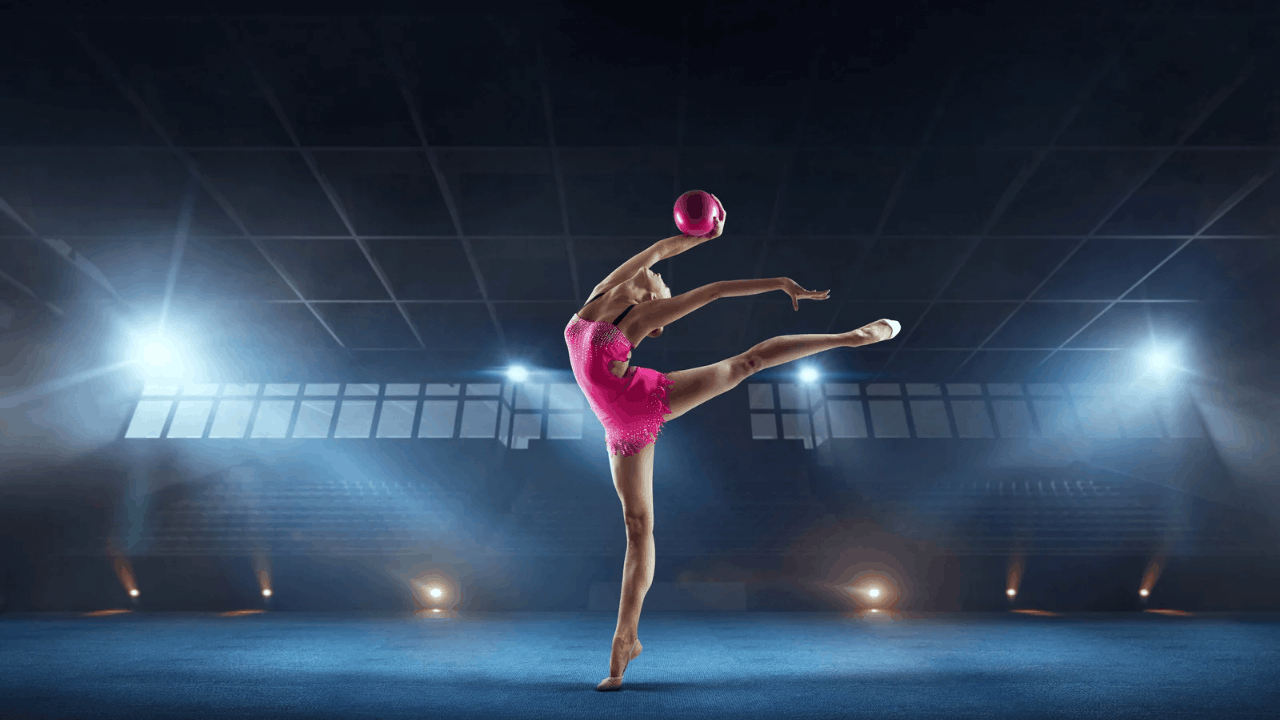
A Guide to Rhythmic Gymnastics Apparatus
February 18, 2026
Ami Nakai Stuns With Triple Axel to Lead Olympic Short Program
Competition highlights, industry trends, expert opinions, and stories from athletes and artists worldwide — delivered straight to your inbox