 English
 中文 (中国)
 Español
February 19, 2026
The Million-Dollar Medal: Alysa Liu’s Olympic Journey
June 21, 2026
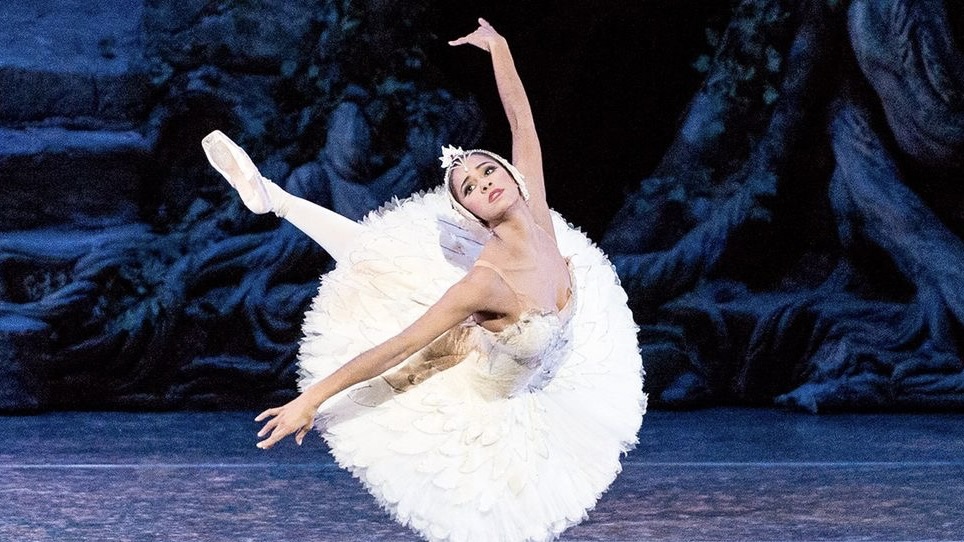
Ballet is often considered one of the most influential dance styles in the world. While many dancers specialize in contemporary, jazz, lyrical, ballroom, musical theatre, or commercial dance, ballet techniques frequently serve as the foundation for their training.
For centuries, ballet has helped shape how dancers move, balance, turn, jump, and express themselves through movement. Even dance styles that appear completely different often borrow important concepts from classical ballet.
Understanding ballet can help dancers develop stronger technique regardless of which style they ultimately choose.
One reason ballet remains important is its focus on body alignment.
Ballet teaches dancers how to maintain proper posture, engage their core muscles, coordinate their arms and legs, and move with control. These skills transfer directly to almost every other dance discipline.
Strong ballet fundamentals often help dancers learn new choreography faster because they already understand important movement principles.
Many professional dance schools continue to include ballet classes even when training performers for non-ballet careers.
Contemporary dance may appear very different from classical ballet, but the connection between the two styles is strong.
Many contemporary dancers use ballet-based turns, jumps, extensions, and balance techniques. Contemporary choreography often encourages freedom and creativity, yet the physical control required for these movements frequently comes from ballet training.
The ability to move smoothly between strength and fluidity is one reason ballet remains valuable in contemporary dance.
Jazz dance developed its own unique identity, but many technical elements originated from ballet.
Pirouettes, leaps, spotting techniques, body placement, and flexibility exercises are commonly taught in both styles.
Dancers with strong ballet backgrounds often find jazz combinations easier to learn because they already possess the balance and coordination needed for complex movements.
Many Broadway performers spend years studying ballet before appearing on stage.
Musical theatre combines acting, singing, and dancing, and performers must execute choreography while maintaining strong stage presence.
Ballet training helps dancers develop posture, precision, endurance, and movement quality, all of which contribute to stronger performances.
Competitive dance has become increasingly technical in recent years.
Judges often reward clean lines, controlled turns, pointed feet, strong extensions, and artistic presentation. Many of these qualities are directly connected to ballet training.
Even routines that are not classified as ballet frequently benefit from ballet-based technique.
Misty Copeland is known primarily as a ballet dancer, but her influence extends far beyond classical ballet.
Copeland has helped introduce ballet to wider audiences and inspired dancers from many different disciplines. Her athleticism, musicality, and expressive performance quality demonstrate how ballet training can support both technical excellence and artistic storytelling.
Many contemporary, commercial, and theatre dancers cite ballet as an important part of their development, reflecting the broader impact that artists like Copeland have had on the dance world.
Another important contribution of ballet is body awareness.
Ballet dancers learn to understand exactly where their body is positioned in space. This awareness helps improve balance, coordination, timing, and injury prevention.
These benefits are valuable not only in dance but also in sports and other physical activities.
People sometimes think ballet focuses only on technique, but artistic expression is equally important.
Classical ballet teaches dancers how to communicate emotion through movement, posture, musical interpretation, and storytelling.
These performance skills can enhance virtually any dance style.
Whether performing a lyrical solo, a jazz routine, or a contemporary piece, dancers benefit from the expressive tools developed through ballet training.
Even after establishing successful careers in other dance styles, many professional dancers continue taking ballet classes.
They use ballet to maintain strength, flexibility, technique, and movement quality.
For many performers, ballet remains an essential training tool throughout their careers.
Ballet is much more than a single dance style.
Its influence can be found in contemporary dance, jazz, musical theatre, competitive dance, and many other forms of movement.
The posture, balance, flexibility, coordination, artistry, and discipline developed through ballet continue to shape dancers around the world.
Whether someone dreams of becoming a professional ballet dancer or simply wants to improve their overall dance ability, ballet provides skills that can benefit every stage of a dancer’s journey.
Achieve More With VSA: Boost your skills with world-class coaches for just $29/hour. Personalized programs 24/7, 365 days a year, anywhere in the world.
By Vitalina Andrushchenko, Staff Writer
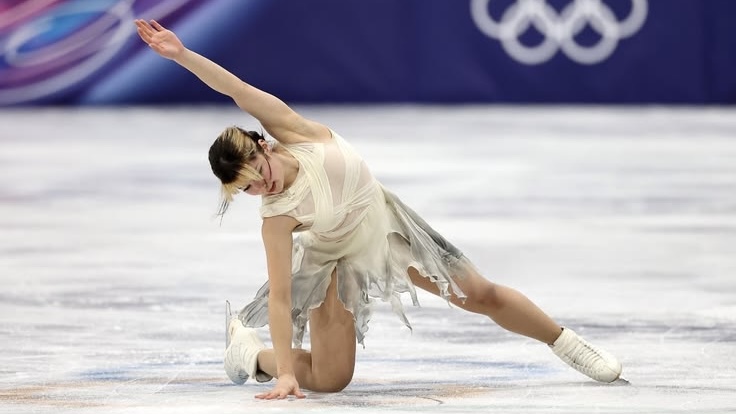
February 19, 2026
The Million-Dollar Medal: Alysa Liu’s Olympic Journey

December 25, 2025
Nancy Kerrigan’s $10 Million Legacy: Success Beyond the Ice
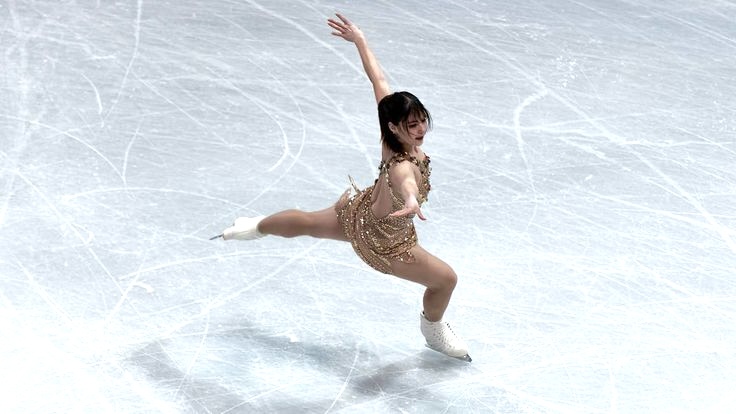
January 08, 2026
2026 U.S. Skating Nationals Results
Competition highlights, industry trends, expert opinions, and stories from athletes and artists worldwide — delivered straight to your inbox