 English
 中文 (中国)
 Español
December 25, 2025
Nancy Kerrigan’s $10 Million Legacy: Success Beyond the Ice
May 03, 2026
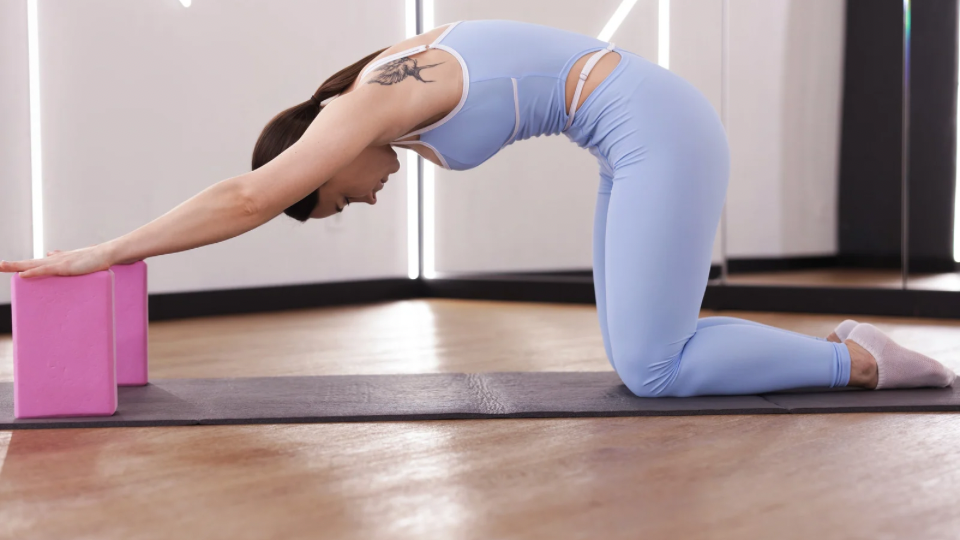
Mobility is often associated with flexibility and strength, but what you wear plays a significant role in how your body moves. Clothing and footwear can either support your movement or quietly restrict it. For athletes and beginners alike, understanding this connection can lead to immediate improvements in performance and comfort.
Tight, restrictive clothing can limit your range of motion, especially in areas like the hips, shoulders, and spine. On the other hand, overly loose clothing may interfere with movement by shifting or creating imbalance.
The best training clothing allows full movement while staying stable on the body. Fabrics that stretch and breathe help maintain comfort and prevent overheating, which also affects mobility over time.
Shoes directly affect how you connect with the ground. Thick, rigid soles can reduce sensitivity and limit natural foot movement, while overly soft shoes may lack stability.
Good footwear supports alignment without restricting natural mechanics. It allows the foot to move while maintaining balance and control. This is especially important for activities involving jumps, turns, or quick directional changes.
A clear example of how clothing influences mobility can be seen in the routines of Simone Biles. Gymnasts perform in fitted leotards that allow complete freedom of movement while staying secure during complex skills.
This type of clothing ensures that nothing interferes with body alignment, speed, or precision. It also allows coaches and judges to clearly see body lines and technique, which is essential in a sport where details matter.
Similarly, many elite athletes across disciplines carefully select footwear that supports their specific movement patterns, rather than simply choosing based on appearance.
Many people unknowingly reduce their mobility through everyday choices. These include:
These habits can gradually affect posture, movement efficiency, and even increase the risk of discomfort or injury.
For everyday movement, comfort and support should be the priority. Choose shoes that:
Clothing should allow you to sit, walk, and move freely without constant adjustment. Even small improvements in daily wear can positively affect how your body feels throughout the day.
During training, your clothing and shoes should match the activity. For example:
The goal is to support movement, not restrict it. When your body can move naturally, your training becomes more effective.
Mobility is not only built in training sessions. It is influenced by daily habits, including what you wear.
By choosing clothing and shoes that support natural movement, you create better conditions for your body to perform, recover, and improve. Over time, these small decisions can make a significant difference in both performance and overall physical comfort.
Achieve More With VSA: Boost your skills with world-class coaches for just $29/hour. Personalized programs 24/7, 365 days a year, anywhere in the world.
By Vitalina Andrushchenko, Staff Writer

December 25, 2025
Nancy Kerrigan’s $10 Million Legacy: Success Beyond the Ice
February 19, 2026
The Million-Dollar Medal: Alysa Liu’s Olympic Journey
January 08, 2026
2026 U.S. Skating Nationals Results
Competition highlights, industry trends, expert opinions, and stories from athletes and artists worldwide — delivered straight to your inbox