 English
 中文 (中国)
 Español
February 19, 2026
The Million-Dollar Medal: Alysa Liu’s Olympic Journey
May 30, 2026
When people think about artistic gymnastics, they usually focus on strength, flexibility, and difficult skills. However, stamina plays an equally important role.
A gymnast may have excellent technique, but if they become exhausted halfway through a routine, execution quality often begins to drop. Landings become less controlled, body positions become less precise, and concentration becomes harder to maintain.
This is why many gymnasts spend a significant part of the off-season building endurance before competitions return.
Artistic gymnastics does not require the same stamina as long-distance running or cycling.
Instead, gymnasts need a combination of muscular endurance, explosive power, and recovery ability. During training, athletes repeatedly perform high-intensity skills with short rest periods between attempts.
This means the body must recover quickly while still producing strength, speed, and precision throughout an entire practice session.
Building this type of stamina requires a very specific approach.
The months before a new season often contain more conditioning than competition periods.
Many coaches use this time to improve cardiovascular fitness, core endurance, upper-body strength, and overall work capacity. Since athletes are not yet preparing for immediate competitions, they can focus more heavily on physical development.
Although conditioning sessions can be challenging, they create the physical foundation needed for difficult routines later in the year.
One of the most popular methods for improving gymnastics stamina is circuit training.
Athletes may move quickly between exercises such as rope climbs, push-ups, hollow holds, jumps, handstands, and sprint drills with limited rest between stations.
These circuits train the body to continue performing under fatigue while maintaining technical quality.
Over time, gymnasts learn to recover faster and stay more consistent during long practices.
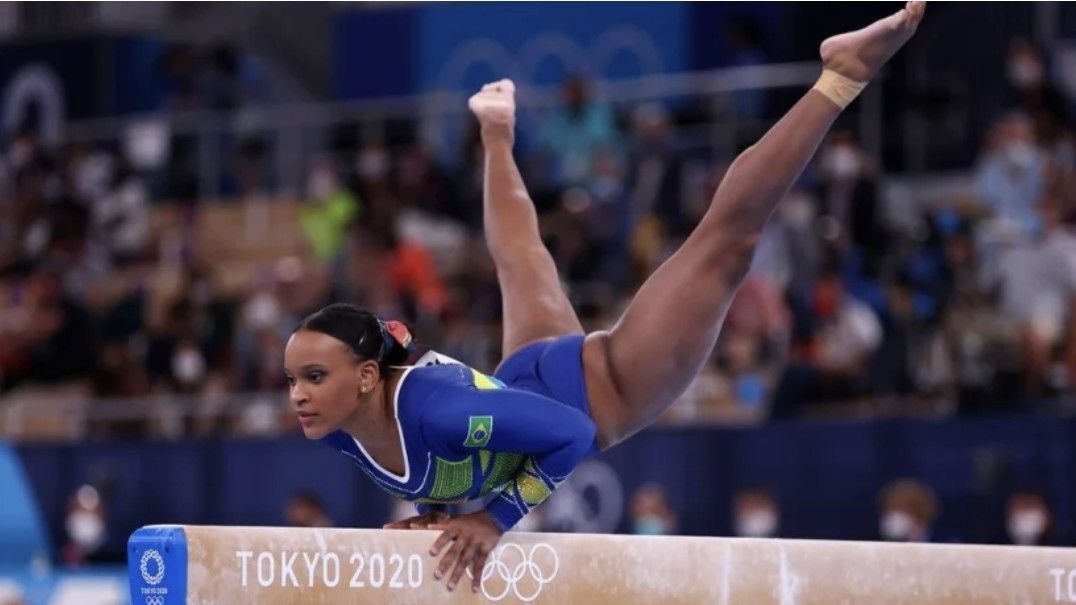
For example, Rebeca Andrade has often impressed coaches and fans not only with her power and skill difficulty, but also with her ability to maintain quality throughout demanding routines and competitions.
When analyzing elite artistic gymnasts, an interesting pattern appears: the best athletes are often not simply the strongest. They are able to maintain technique, posture, focus, and explosive power even when physically tired.
This ability usually comes from years of conditioning and careful physical preparation.
Different apparatus require different types of stamina.
Floor exercise demands repeated explosive tumbling passes combined with dance elements and presentation. Uneven bars require grip endurance and upper-body stamina. Balance beam challenges concentration as much as physical endurance.
As a result, many gymnasts perform event-specific conditioning designed to match the unique demands of each apparatus.
Building stamina is not only about working harder.
Recovery plays a major role in fitness development. Sleep, nutrition, hydration, and rest days allow the body to adapt to increased training loads.
Without adequate recovery, athletes may feel constantly tired, which can reduce performance and increase injury risk.
Many successful gymnasts view recovery as an essential part of training rather than something separate from it.
Physical fitness is only one part of stamina.
Long training sessions require concentration, emotional control, and the ability to stay focused after mistakes. During the off-season, athletes often work on maintaining positive training habits even when routines become repetitive.
Mental endurance becomes especially important during competitions when pressure and fatigue occur simultaneously.
Many coaches recommend combining several methods rather than relying on one type of conditioning.
Running intervals, jump rope sessions, circuit training, core work, and routine repetitions can all contribute to improved endurance. Gradually increasing workload over time is usually more effective than sudden increases in training volume.
Consistency is often more important than intensity alone.
The goal of stamina training is not simply to become less tired.
Better endurance allows gymnasts to maintain clean technique, sharper focus, and stronger execution throughout routines and competitions. Athletes who can perform well during the final moments of a routine often gain an important competitive advantage.
When the new season begins, the conditioning work completed during the off-season frequently becomes one of the biggest factors behind consistent performances.
Achieve More With VSA: Boost your skills with world-class coaches for just $29/hour. Personalized programs 24/7, 365 days a year, anywhere in the world.
By Vitalina Andrushchenko, Staff Writer
February 19, 2026
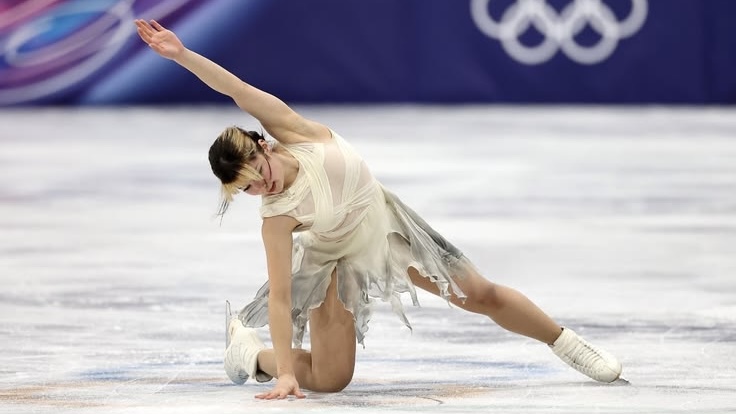
The Million-Dollar Medal: Alysa Liu’s Olympic Journey

December 25, 2025
Nancy Kerrigan’s $10 Million Legacy: Success Beyond the Ice
January 08, 2026
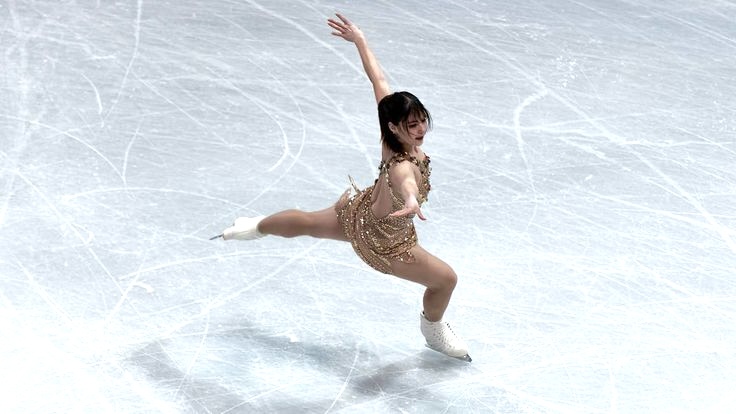
2026 U.S. Skating Nationals Results
Competition highlights, industry trends, expert opinions, and stories from athletes and artists worldwide — delivered straight to your inbox