How Long Should You Hold a Stretch?

June 24, 2025

Stretching is a key component of fitness, improving flexibility, reducing muscle tension, and enhancing movement. But how long should you hold a stretch to maximize benefits without wasting time or risking injury? This article explores evidence-based recommendations for stretch duration, drawing from research and expert guidelines.

Types of Stretching and Their Goals

Before diving into duration, it’s important to understand the main types of stretching, as each has distinct purposes and optimal hold times:

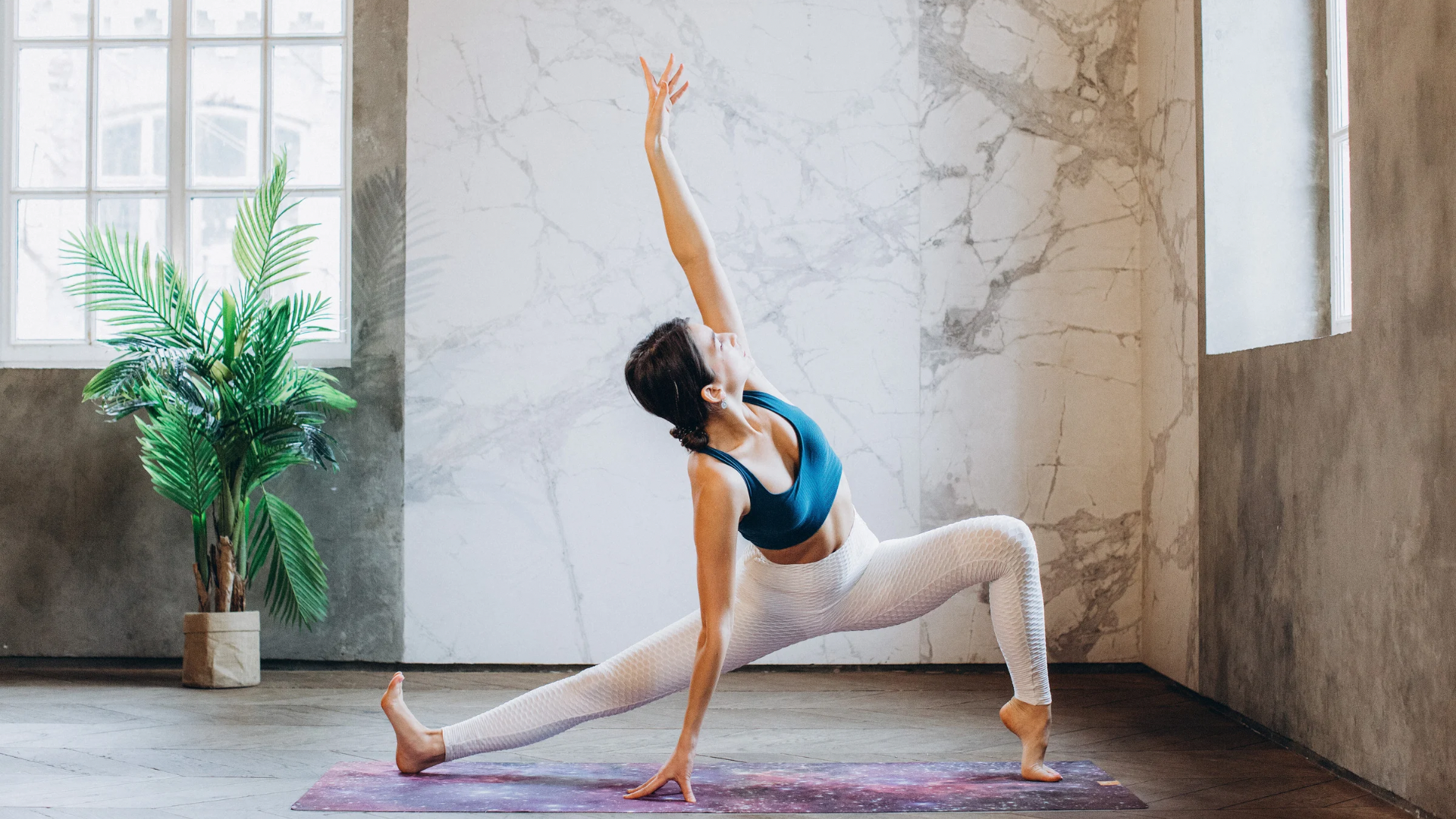
  • Static Stretching: Holding a stretch in a fixed position to elongate muscles. Common in yoga or cooldown routines, it improves flexibility and reduces stiffness.
  • Dynamic Stretching: Controlled movements that mimic activity, like leg swings. Used in warm-ups to prepare muscles and joints.
  • Proprioceptive Neuromuscular Facilitation (PNF): Combining stretching and muscle contraction, often with a partner, to boost flexibility.

This article focuses primarily on static stretching, as it’s the most common method for improving flexibility and the one most associated with the question of hold duration.

Evidence-Based Recommendations for Static Stretching

Research provides clear guidance on how long to hold static stretches for optimal results. Here’s what studies and experts recommend:

General Guidelines

  • Hold Time: Most studies suggest holding a static stretch for 15–60 seconds per muscle group. The American College of Sports Medicine (ACSM) recommends 10–30 seconds for general health, with longer holds (up to 60 seconds) for greater flexibility gains.
  • Frequency: Perform stretches 2–3 times per muscle group, accumulating 60 seconds total per muscle (e.g., 2 stretches of 30 seconds or 4 of 15 seconds). Stretch major muscle groups 2–3 days per week for maintenance, or daily for improvement.
  • Intensity: Stretch to the point of mild discomfort, not pain. Overstretching can lead to muscle strain or reduced effectiveness.

Supporting Research

  • A 2018 meta-analysis in Sports Medicine found that static stretches held for 15–30 seconds significantly improve range of motion (ROM), with minimal additional benefits beyond 60 seconds.
  • A 2020 study in Journal of Strength and Conditioning Research showed that 30-second holds were as effective as longer durations for flexibility in most populations, making them time-efficient.
  • For older adults, the ACSM suggests 30–60 seconds per stretch to counter age-related muscle stiffness, as supported by a 2019 study in Geriatric Physical Therapy.
© YouTube/ DrRowe

Special Considerations

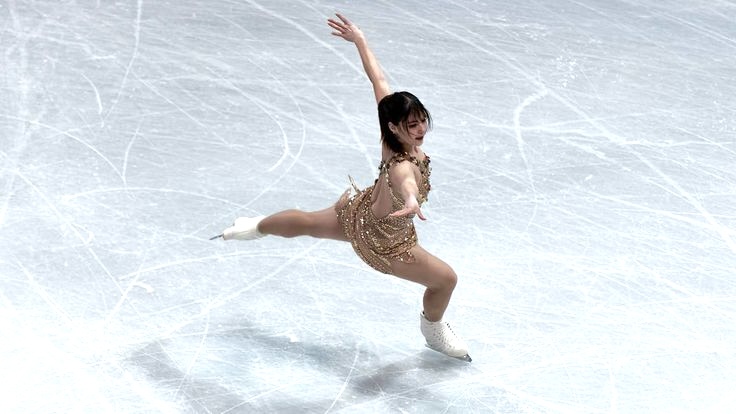
  • Athletes: Those requiring extreme flexibility (e.g., gymnasts, dancers) may benefit from 60–120 seconds per stretch, but this should be progressive and sport-specific.
  • Beginners: Start with 10–15 seconds to avoid discomfort and gradually increase duration as flexibility improves.
  • Injury Recovery: Consult a physical therapist, as stretch duration varies based on the injury. Shorter holds (10–20 seconds) are often safer during early recovery.

Dynamic Stretching: Duration and Approach

Dynamic stretching doesn’t involve prolonged holds but rather controlled movements performed for 10–15 repetitionsor 30–60 seconds per exercise. A 2021 study in International Journal of Sports Medicine found that dynamic stretching for 5–10 minutes before activity enhances performance and reduces injury risk compared to static stretching pre-workout.

PNF Stretching: Timing and Technique

PNF stretching typically involves 6–10 second contractions followed by 10–30 second passive stretches. A 2017 review in Physical Therapy in Sport noted that PNF is highly effective for rapid flexibility gains but requires proper technique to avoid injury. Perform 1–3 cycles per muscle group, 2–3 times weekly.

Common Myths About Stretch Duration

  • Myth: Longer is always better. Holding a stretch beyond 60 seconds offers diminishing returns for most people and may increase injury risk if form falters.
  • Myth: You must stretch daily for results. While daily stretching can accelerate gains, 2–3 sessions per week are sufficient for most goals.
  • Myth: Stretching prevents all injuries. Stretching improves flexibility but doesn’t guarantee injury prevention. Strength training and proper warm-ups are equally critical.

Practical Tips for Effective Stretching

  1. Warm Up First: Perform 5–10 minutes of light cardio (e.g., walking, jogging) before static stretching to increase muscle temperature and reduce injury risk.
  2. Breathe Deeply: Inhale and exhale slowly to relax muscles and deepen the stretch.
  3. Focus on Major Muscle Groups: Target hamstrings, quadriceps, calves, hip flexors, shoulders, and back for balanced flexibility.
  4. Use a Timer: Ensure consistent hold times without guessing.
  5. Listen to Your Body: Stop if you feel sharp pain or excessive discomfort.

Conclusion

For static stretching, holding each stretch for 15–60 seconds, with a total of 60 seconds per muscle group across multiple sets, is optimal for most people. Dynamic stretching requires 30–60 seconds of controlled movements, while PNF involves shorter, targeted cycles. Tailor duration to your goals, fitness level, and activity type, and always prioritize proper form. By following these evidence-based guidelines, you can stretch effectively, improve flexibility, and support overall physical health.

Achieve More With VSA: Boost your skills with world-class coaches for just $29/hour. Perfect for skaters, hockey players, dancers, and athletes, VSA offers personalized training 24/7, 365 days a year, anywhere in the world.

By Vitalina Andrushchenko, Staff Writer
December 25, 2025

Nancy Kerrigan’s $10 Million Legacy: Success Beyond the Ice

February 19, 2026

The Million-Dollar Medal: Alysa Liu’s Olympic Journey

January 08, 2026

2026 U.S. Skating Nationals Results

Follow global sports and arts news curated by VSA

Competition highlights, industry trends, expert opinions, and stories from athletes and artists worldwide — delivered straight to your inbox